


With the completion of our 1990 retrospective, De Facto Film Reviews officially marks a major milestone: our archived Top 10 lists now stretch back through every single year of the 1990s and beyond. This ongoing preservation effort exists to give film buffs across ages and generations a centralized, living archive of film history in hopes that we offer fresh perspectives on legendary years while honoring the masterworks that shaped the medium.
As the inaugural year of the 20th century’s final decade, 1990 occupies a fascinating transitional space in cinematic history. It sat caught in a creative in-between state—bridging the dying embers of classical Old Hollywood and the lingering auteur spirit of the New Hollywood era that defined late-60s through early-80s cinema. Even though Michael Cimino’s Heaven’s Gate (1980) famously signaled the end of unbridled studio blank checks for directors, the uncompromising, visionary spirit of that era burned bright throughout 1990. You can see that sheer directorial audacity alive and well in sweeping, authorial works like Francis Ford Coppola’s The Godfather Part III, Charles Burnett’s To Sleep with Anger, Abel Ferrara’s King of New York, and Jane Campion’s Sweetie.
Major studios in 1990 were still willing to take massive, high-concept risks on original, idiosyncratic visions. Nowhere was this more evident than in Tim Burton’s Edward Scissorhands, a melancholic, gothic fairy tale that captured a master stylist at the absolute peak of his creative powers—setting the stage for what would culminate in his 1994 masterpiece, Ed Wood.
Above all, 1990 set an undeniable benchmark for cinematic excellence, anchored by the undisputed titan of the year: Martin Scorsese’s Goodfellas. Redefining the grammar of modern crime cinema through its relentless kinetic editing, voiceover narration, and needle drops, Scorsese’s masterpiece stood at the absolute summit of a phenomenal 12 months in film.
Looking back, 1990 was a pivotal, threshold year for cinema. It honored the structural brilliance of classical filmmaking while boldly paving the way for the indie explosion and visual experimentation of the decade that followed, leaving behind an indelible mark on movie history.
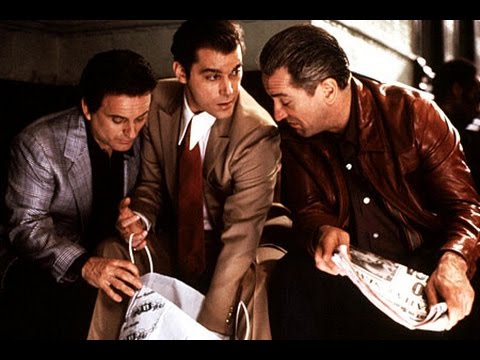 Courtesy Warner Bros.
1. Goodfellas (d. Martin Scorsese)
An exuberant chronicle of crime that is by far Scorsese’s most celebrated. A morality tale of mobster Henry Hill (Ray Liotta) and his wife Karen (Lorraine Bracco), who are put in the federal witness protection program after Hill decides he has no other alternative as the mafia lifestyle begins to catch up with him. Based on the best-selling book “Wiseguy” by Nicholas Pileggi, who also co-wrote the screenplay with Scorsese, Goodfellas remains an exhilarating piece of filmmaking, filled with so much great energy and visual extravagance that it leaves you scratching your head as to just how Scorsese wasn’t awarded the Best Director Oscar for this towering masterpiece. It was the film that showcased Scorsese at the top of his craft, while his recent film “The Irishman” proved that he still has great filmmaking strengths in him and is still able to produce a masterpiece almost 30 years later, yet with “Goodfellas” he took his sensibilities to a whole different level in terms of pacing, visual slickness, and of course energy. This remains Scorsese’s greatest film to date, and it will forever be championed.
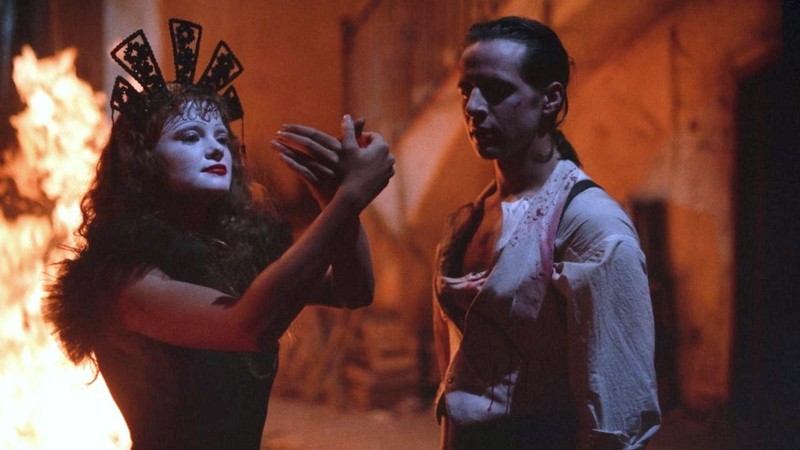 Courtesy Severin Films
2. Santa Sangre (d. Alejandro Jodorowsky)
Hands down one of the greatest horror films ever released, Santa Sangre is a masterpiece that defies easy categorization. The first half of Alejandro Jodorowsky’s epic plays out in a “Felliniesque” fashion, following a circus populated by clowns, dwarfs, and societal outsiders. The second half shifts into something akin to Hitchcock’s Psycho—it is every bit as psychological and ominous, merging shades of deep melancholy with horrifying moments and mesmerizing imagery. While the influences of Fellini and Hitchcock are blatant, Jodorowsky’s framework remains distinctive and visionary; the madness feels utterly passionate and phantasmagorical.
What truly sets Santa Sangre apart is its sincerity. There is a profound sadness to the protagonist, Fenix (Axel Jodorowsky), whose macabre journey descends into a wormhole of schizophrenia and murder. Driven by illusions, Fenix is guided through these killings by his mother, using his own hands as hers after they were lost in a tragic confrontation with his father.
Despite its audacity and surrealist imagery, the film is anchored by Fenix’s moral compass. Jodorowsky brings immense empathy and depth to a character born into a world of cruelty and exploitation. With the help of a former circus assistant and a deaf girl from his past, the question remains: can Fenix be rescued from the sea of blackness that has consumed his mind, body, and soul? It is a beautiful film that challenges the nature of evil—how it is formed and how it can be combated. Jodorowsky proves here that he is as much a humanist as he is a surrealist.
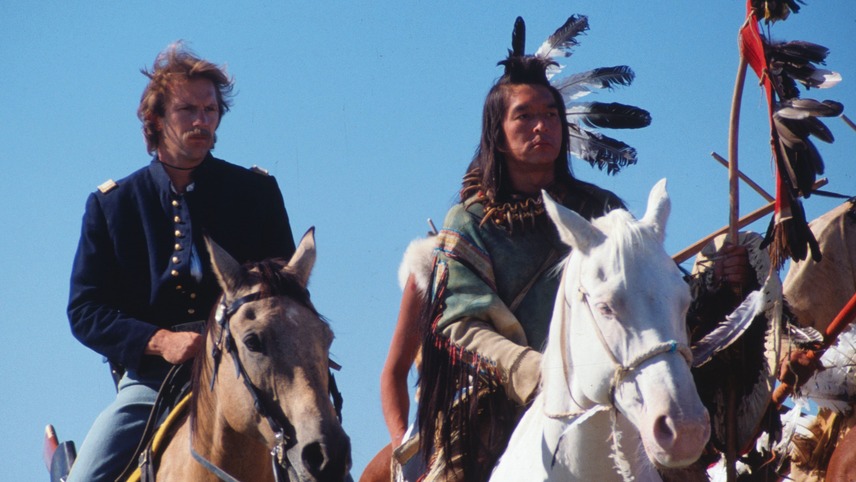 Courtesy Amazon/MGM
3. Dances with Wolves (d. Kevin Costner)
The spirit of John Ford truly lives on in director Kevin Costner’s sweeping and visionary Dances with Wolves. Costner also stars as Lieutenant Dunbar, a wounded American Civil War soldier who is helped by a tribe of Lakota. After becoming fascinated with their lifestyle and culture, he begins living within the tribe, where they bond and form a close friendship.
Eventually, he is given the name “Dances with Wolves” and falls in love with Stands With A Fist (Mary McDonnell), a white woman who was raised by the tribe since childhood. The conflict peaks when the U.S. Army arrives looking for Dunbar, aiming to charge him with desertion. However, Dunbar now views the U.S. government as a destructive force and seeks to protect the tribe from having their land seized.
This film is truly magnificent and masterfully directed. I know many are sour on it because it won Best Picture over Goodfellas that year, but Dances with Wolves absolutely holds its own as a masterpiece.
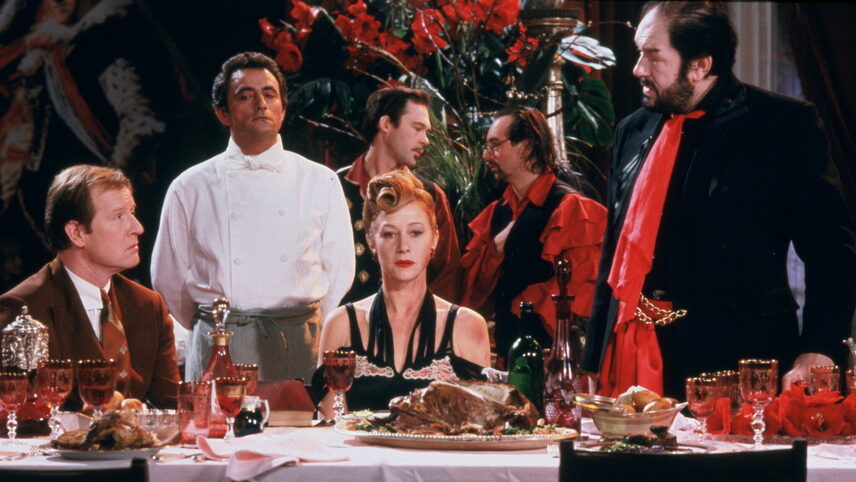
4. The Cook, the Thief, His Wife & Her Love (d. Peter Greenaway)
A masterpiece that is greatly stylized and Felliniesque. An exercise in depravity that also holds some control, Peter Greenaway’s The Cook, The Thief, His Wife and Her Lover bursts with great artistry, surrealism, eroticism, and it’s one of the most magnificently inventive films ever made. The film bounces between glutton surrealism and combative satire on the ultra-wealthy. The film has the grotesque imagery of any Fellini film, and it’s every bit as technically savvy. This film is a cinematic treasure.
Greenaway transforms the restaurant set into a living theatrical canvas, using Jean-Paul Gaultier’s striking costume design and Sacha Vierny’s breathtaking, color-coded cinematography to dictate the mood of each room with painterly precision. The performances are equally astonishing; Michael Gambon is monstrously magnetic as the tyrannical thief Albert Spica, while Helen Mirren gives a fiercely captivating turn as his long-suffering wife Georgina, grounding the film’s lavish excesses with profound human vulnerability. Layered with Michael Nyman’s haunting, operatic score, Greenaway delivers an uncompromising masterpiece of 1990 cinema—a visceral, unforgettable feast for the senses that continues to push the boundaries of visual storytelling.

5. Miller’s Crossing (d. Joel Coen)
The Coen Brothers’ 1990 masterpiece, Miller’s Crossing—their third film following Blood Simple and Raising Arizona—is a brilliant genre reworking. Like Blood Simple (and many of their films to follow), Miller’s Crossing transcends the gangster genre by imbuing its characters with deep sophistication. Rather than focusing purely on crime, the writing is concerned with the human condition and ethical ambiguity, elevating it far above a generic mob movie.
Gabriel Byrne stars as Tom Regan, the right-hand man to Irish mob boss Leo O’Bannon (Albert Finney). Tom finds himself sparing a corrupt bookie, Bernie Bernbaum (John Turturro), largely because Leo is in a romantic relationship with Bernie’s sister, Verna (Marcia Gay Harden). Eventually, Tom develops his own affair with Verna, finding himself at a crossroads of loyalty between Leo and the rival Italian mafia during the Prohibition era. While Miller’s Crossing utilizes familiar tropes, there is an organic, refreshing quality to the Coens’ singular approach that feels both uniquely cinematic and deeply literary.

6. Wild at Heart (d. David Lynch)
Over-the-top, lurid, sexy, and pulpy, David Lynch’s Southern Gothic neo-noir is a perfect marriage of genre filmmaking, deadpan hilarity, and unforgettable sequences. It leaves the viewer with a wide array of emotions, ranging from sheer shock to an odd sense of romanticism. A charismatic, rowdy Nicolas Cage and an ultra-sexy Laura Dern are dynamic as Sailor and Lula; their onscreen chemistry keeps you rooting for them to triumph until the very end of this surrealist fever dream. The film cleverly weaves in The Wizard of Oz and other pop-culture touchstones to explore how Western sensibilities shape society on a primal level.
The film also boasts an incredible supporting cast, including Willem Dafoe, Sherilyn Fenn, Crispin Glover, Sheryl Lee, Isabella Rossellini, Harry Dean Stanton, and Grace Zabriskie. Of course, Diane Ladd is a total scene-stealer in her Oscar-nominated performance. Wild at Heart would make a fantastic triple bill alongside Oliver Stone’s Natural Born Killers and Tony Scott’s True Romance. Simply put, this is the most “Lynchian-Tarantino” film you will ever see. Additionally, the Shout! Factory transfer is first-rate.
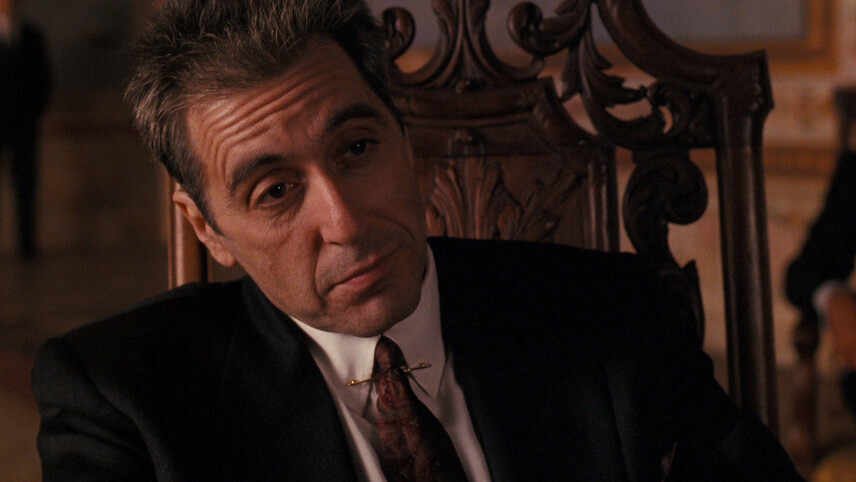
7. The Godfather: Part III (d. Francis Ford Coppola)
While The Godfather Part III is certainly not as great as the first two films and faces the nearly impossible task of living up to those defining masterpieces of American cinema, Francis Ford Coppola’s closing chapter remains a sprawling, visionary, and exceptional accomplishment on so many levels. Much of the surrounding narrative over the years has focused on the casting of Sofia Coppola as Mary Corleone, and while she is often heavily criticized for her performance and delivered a few wooden scenes, her presence never truly derails the film; in fact, she delivers several genuinely effective and poignant moments, particularly her tender dynamic with Vincent Mancini (Andy Garcia) and her devastating, heartbreaking final sequence on the steps of the Teatro Massimo.
At its heart, the film is a deeply compelling examination of aging, moral decay, and the inescapable trap of one’s own sins, escalating to a Shakespearean tragedy of ultimate loss and spiritual ruin. Al Pacino and Andy Garcia deliver the finest performances in the film, with Pacino bringing a haunting, weary gravity to Michael Corleone as a man desperate for redemption, while Garcia infuses Vincent Mancini with a fiery, dangerous charismatic energy that echoes the late Sonny Corleone. Ultimately, through its grand operatic scale, melancholic thematic depth, and staggering emotional payoff, The Godfather Part III proves itself to be a deeply moving and worthy conclusion to one of the greatest trilogies in cinematic history.

8. Edward Scissorhands (d. Tim Burton)
Edward (Johnny Depp) is an animated, synthetic man who was built and raised by an inventor (Vincent Price) who gave him long, sharp scissors for hands. When the inventor passes away, Edward is left entirely alone in a decaying mansion. He is eventually discovered by a local Avon saleswoman named Peg Boggs (Dianne Wiest), who feels deep sympathy for him. She invites Edward into her home and introduces him to her bubbly suburban neighborhood, where he quickly reveals an immense talent for topiary sculpting and hair styling.
While the neighbors are initially enamored with his unique gifts, things complicate when Edward encounters Peg’s teenage daughter, Kim (Winona Ryder). He falls in love with her, drawing the ire of Kim’s controlling and manipulative boyfriend, Jim (Anthony Michael Hall). This jealousy triggers a chain reaction of panic, hysteria, gossip, and mob rule within the town.
What initially seems like a simple, unconventional fantasy love story quickly evolves into something much deeper. The film digs into Edward’s pathos, evoking profound empathy not just for him, but for Peg and Kim as well. It presents us with nuanced characters who are ultimately punished for having genuine compassion, falling victim to a society whose cruelty stems from its own egocentrism. Yet, Edward Scissorhands isn’t celebrated today solely for its rich themes; it is equally remembered for its striking production design, its whimsical charm, and, of course, Johnny Depp’s beloved and iconic performance.
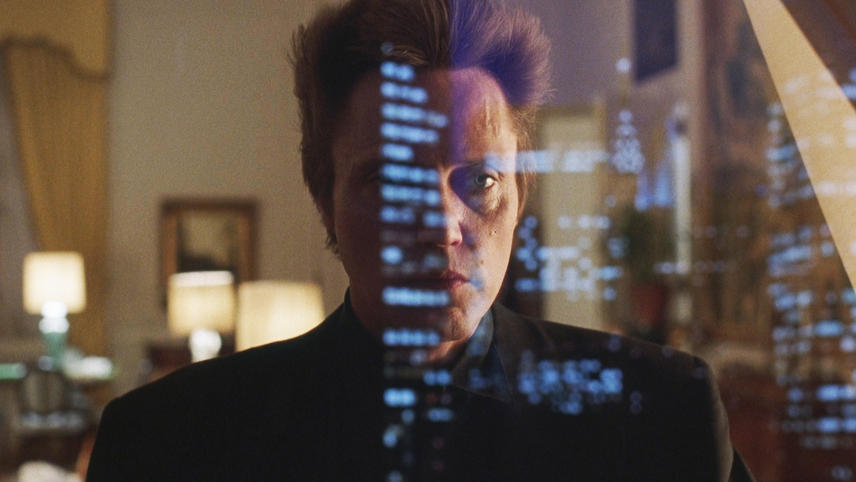
9. King of New York (d. Abel Ferrera)
Abel Ferrara’s 1990 crime classic King of New York stands tall as arguably the strongest, most cohesive, and most mature film of his entire career. Stripping away pure exploitation in favor of an atmospheric, cold-eyed character study, Ferrara crafted a masterful chronicle of power and corruption that exposes how thin the line truly is between criminal empires and legitimate institutions.
At the absolute center of the film is a brilliant, career-defining lead performance by Christopher Walken as Frank White. Walken plays the newly released drug kingpin with an uncanny, ghostly intensity as a man operating with a sociopathic charm and a strange Robin Hood complex as he attempts to fund a community hospital using his illegal profits. Walken leads an incredible ensemble cast, including Laurence Fishburne as the wildly unpredictable, gun-toting enforcer Jimmy Jump, David Caruso as the relentless rogue cop Dennis Gilley, Wesley Snipes as detective Thomas Flanigan, and Victor Argo as the weary police chief Bishop.
The year 1990 was an absolute titan of a year for the mobster genre. Audiences were treated to Martin Scorsese’s Goodfellas, the Coen brothers’ Miller’s Crossing, Francis Ford Coppola’s The Godfather Part III, Phil Joanou’s State of Grace, and Peter Medak’s The Krays. Yet, King of New York remains one of the ultimate highlights of that legendary year because it eschewed traditional romanticized Mafia codes in favor of a gritty, neon-soaked, contemporary street-war aesthetic that felt decades ahead of its time.
The film is packed with unforgettable set-pieces, from the chaotic, high-stakes shootout in a rain-slicked alley to the brutal hit-and-run confrontations that keep the narrative moving at a breakneck pace. It all culminates in one of the most haunting endings in modern crime cinema. After a tense, quiet subway standoff with Bishop, a dying Frank White escapes into a stalled taxi cab in the middle of Times Square. As police slowly surround the vehicle, Frank quietly slips away into the night while the neon lights of New York glow around him, delivering a chillingly bleak, perfect final note on the fleeting nature of absolute power

10. Misery (d. Rob Reiner)
Rob Reiner’s Misery stands comfortably as easily one of the greatest Stephen King adaptations ever put to film, as well as the absolute crowning achievement of Reiner’s entire directorial career. There is a deep irony in that accomplishment given that Reiner was never known as a traditional horror filmmaker, yet this marked his second home-run King adaptation following his 1986 classic Stand by Me.
What makes the picture work so flawlessly is its suffocating, nail-biting suspense. Reiner turns a single, snowbound bedroom into an absolute pressure cooker, wringing pure psychological terror from every ticking second. At the terrifying core of the film is Kathy Bates in a menacing, iconic turn as Annie Wilkes, the self-proclaimed “number one fan” who rescues—and subsequently imprisons—novelist Paul Sheldon (James Caan). Bates earned a well-deserved Academy Award for her performance, seamlessly pivoting from cheerful, motherly domesticity to unhinged, violent rage in the blink of an eye.
As the narrative unwinds, the viewer is completely locked into Paul’s claustrophobic plight. You find yourself desperately rooting for Caan’s character to navigate his confinement, outsmart his captor, and survive the grueling physical torture inflicted upon him. Every attempt he makes to pick a lock or drag his shattered legs across the floor becomes a heart-in-throat sequence of pure tension.
The supporting cast is equally sharp, particularly the late Richard Farnsworth as local Sheriff Buster. Farnsworth brings a quiet, Midwestern warmth and a cool Twin Peaks sensibility to his investigation—a performance so grounded and soulful that it feels entirely natural David Lynch would later cast him to lead his 1999 masterpiece The Straight Story. Misery remains a masterclass in psychological dread—chilling, deeply effective, and relentlessly entertaining. It is a genuine horror masterpiece and an absolute essential revisit for every film lover when the Halloween season rolls around
Runners-Up (In Alphabetical Order)

Close-Up (d. Abbas Kiarostami)
Abbas Kiarostami’s Close-Up is a stunning piece of cinema, and while it sits just outside my top 10 as a very worthy runner-up, its brilliance is completely undeniable in a year packed with fierce competition.
The film operates as a mesmerizing fusion of fiction and documentary, telling the true story of Hossain Sabzian, an out-of-work man who impersonated famous Iranian director Mohsen Makhmalbaf to impress a well-to-do family. Kiarostami brings a delicate, quiet visual poetry to the screen, capturing the raw human impulse to be seen, understood, and validated through art. Beneath its deceptive simplicity lies a profound examination of identity, class, cinema, and empathy. The courtroom sequences and Sabzian’s honest, vulnerable testimony turn what could have been a simple crime story into a deeply moving meditation on human dignity.
It is no surprise that Close-Up secured a permanent spot in the Criterion Collection, as it continues to enjoy an extraordinary shelf life and remains standard viewing for cinephiles across generations. Kiarostami’s masterful ability to blur the lines between reality and reenactment feels just as groundbreaking today as it did upon release, culminating in one of the most tender, emotionally transcendent final sequences in modern film history.
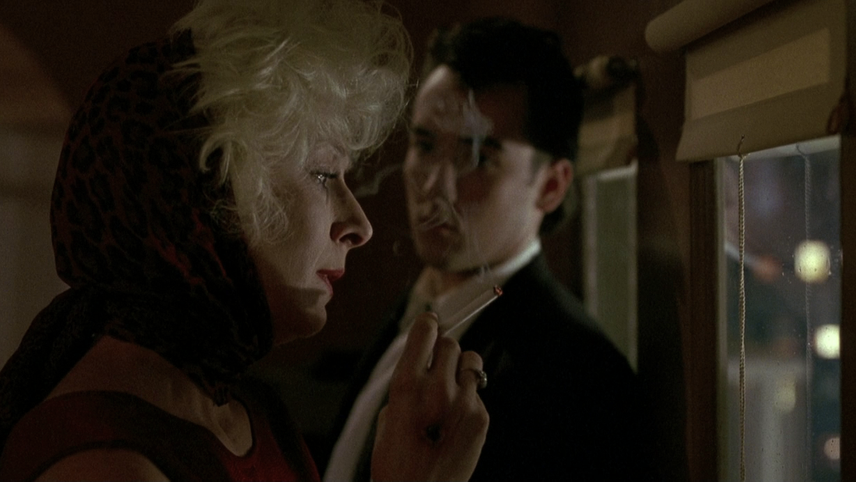
The Grifters (d. Stephen Frears)
Stephen Frears’ The Grifters stands as a remarkably effective neo-noir, honoring the classic tropes of 1940s and 50s film noir—cynicism, fatalism, and deadly deception—while infusing them with a sharp, modern edge. Rather than settling for a pale imitation of past classics, the film transcends homage by plunging headfirst into a sun-drenched, sleazy contemporary landscape where the danger feels immediate and uniquely cruel. Frears directs with exceptional style, bringing a razor-sharp precision, slick pacing, and a cold, calculating atmosphere to Jim Thompson’s hardboiled source material.
At the heart of the narrative is a toxic, incestuous triangle of small-time hustlers attempting to out-manipulate one another. Roy Dillon (John Cusack) is a low-level con artist working short-cons in Los Angeles, caught between two formidable women: his long-estranged mother, Lilly (Anjelica Huston), who works for a brutal mob bookie, and his manipulative girlfriend, Myra (Annette Bening), a seasoned grifter looking for a partner for high-stakes long-cons. The dynamic among the trio is electric, with Huston and Bening delivering powerhouse performances that turn a story about petty crime into a tragic struggle for survival and dominance.
Released in 1990, The Grifters has always held a major imprint in discussions surrounding that iconic cinematic year. In a period packed with major crime milestones, Frears’ picture warranted every bit of its critical acclaim by offering a leaner, nastier, and more psychological exploration of criminal vice. It remains a brilliant, ruthless reminder that in a world built on cons, the ultimate price is always paid by those who let their guard down.

Henry: Portrait of a Serial Killer (d. John McNaughton)
While modern film buffs might do a double take seeing John McNaughton’s Henry: Portrait of a Serial Killer featured on a 1990 list—knowing the film was actually completed back in 1986—its inclusion here is entirely accurate. After getting trapped in rating controversies and spending years languishing on the film festival circuit and in midnight screening limbo, 1990 was the landmark year the picture finally secured its official, unrated theatrical distribution worldwide and across North America.
The film is deeply unnerving and profoundly unsettling, yet it holds immense cinematic artistic merit far beyond a standard, sensationalized exploitative serial killer movie. Strip away any Hollywood slickness, and what remains is a chillingly realistic, unflinching character study of madness, chaos, and casual violence operating in the cold underbelly of society.
The narrative loosely tracks the aimless, terrifying daily routine of Henry (Michael Rooker), a soft-spoken ex-con living in Chicago who casually slaughters strangers alongside his depraved roommate Otis (Tom Towles), all while forming an uneasy emotional bond with Otis’s visiting sister, Becky (Tracy Arnold). In a star-making performance, Rooker is terrifyingly magnetic; he plays Henry not as a theatrical, mustache-twirling monster, but with a flat, terrifyingly quiet pragmatism that makes his explosive outbursts feel sickeningly real.
Henry: Portrait of a Serial Killer was truly revolutionary for its time, laying down a blueprint for grim, non-judgmental portrayals of human depravity. Ever since, we have seen echoes of its clinical, distant approach in films like Funny Games, Killer Joe, and The House That Jack Built—stories where the horror is stripped of typical movie morality, offer no easy catharsis or justice, and leave the morbid reality entirely inconclusive and untouched.
Ultimately, Henry: Portrait of a Serial Killer remains a haunting, uncompromising masterpiece of modern horror—a bleak, unforgettable descent into absolute darkness that forces the viewer to confront real-world violence without a safety net.
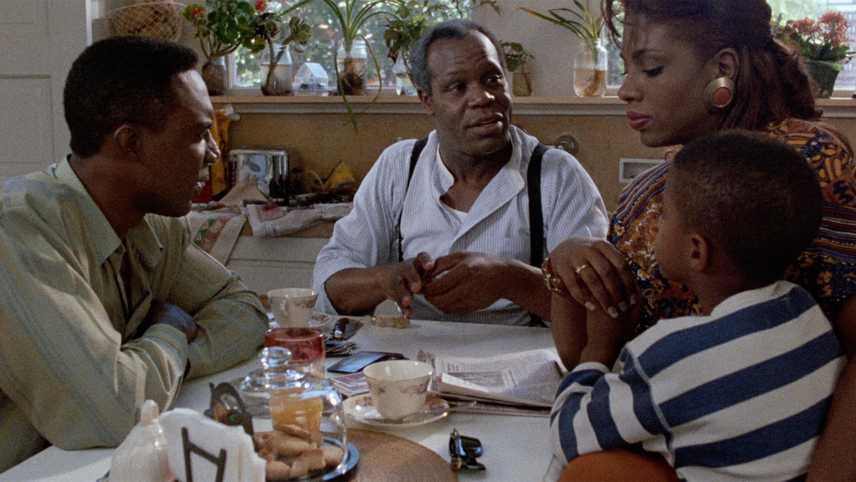
To Sleep with Anger (d. Charles Burnett)
Charles Burnett’s To Sleep with Anger is a masterclass in slow-burn tension, functioning as a deeply effective, lingering suspense drama that pulls you in through quiet psychological escalation rather than cheap thrills. Burnett constructs the picture with the intimate, pressure-cooker atmosphere of a theatrical chamber piece, grounding the supernatural undertones in the creaks, shadows, and shared history of a single Los Angeles home.
At the core of the film is a rich, volatile study of family dynamics, exploring the generational and cultural friction within a Southern-born Black family striving for stability in urban California. The story takes a chilling, sinister turn with the unannounced arrival of Harry (Danny Glover), an old friend from back home whose presence carries an unmistakable aura of malevolence and bad luck. Glover gives an extraordinary performance, imbuing Harry with a slick, homespun charm that masks a deeply manipulative nature. By subtlety overstaying his welcome, Harry slowly plays family members against one another, exploiting buried grievances, unearthing old superstitions, and driving a wedge directly into the heart of the household.
The film stands as one of Burnett’s greatest artistic accomplishments, showcasing brilliant, nuanced direction paired with a phenomenal ensemble cast that delivers every line with emotional weight and authenticity. Decades after its release, To Sleep with Anger remains immensely refreshing—a rich, singular work of American cinema that masterfully weaves folklore, family drama, and quiet dread into an unforgettable experience.

Sweetie (d. Jane Campion)
Jane Campion’s feature directorial debut, Sweetie, stands as a mesmerizing, deeply singular work that showcases a brilliant narrative structure. The film begins by immersing us in the quiet, superstitious, and emotionally repressed world of Kay (Karen Colston), before seamlessly manifesting into the chaotic, uninhibited orbit of her wildly unpredictable sister, Sweetie (Geneviève Lemon).
Through this dual focus, Campion examines trauma, family dysfunction, and the complexities of the female psyche with extraordinary nuance. The screenplay—co-written by Campion and Gerard Lee—is razor-sharp, pairing stylish, off-kilter direction with striking visual compositions that turn ordinary suburban landscapes into surreal psychological battlegrounds. The central performances are phenomenal; Colston grounds the picture with a rigid, internal tension, while Lemon delivers a fearless, raw turn that commands every frame she inhabits.
The film succeeds tremendously in its second half as it pivots fully to Sweetie’s story. Watching her psychological breakdown deteriorate as the narrative progresses is both harrowing and deeply sympathetic, exposing the unbearable weight of unaddressed family trauma and enabling dynamics.
Decades later, Sweetie remains one of Campion’s absolute greatest cinematic accomplishments—a bold, uncompromising debut that announced the arrival of a master filmmaker and still retains every bit of its haunting, eccentric power.
Honorable Mention
Akira Kurosawa’s Dreams (d. Akira Kurosawa)
Arachnophobia (d. Frank Marshall)
Avalon (d. Barry Levinson)
Awakenings (d. Penny Marshall)
Cyrano de Bergerac (d. Jean-Paul Rappeneau)
Darkman (d. Sam Raimi)
Dick Tracy (d. Warren Beatty)
The Freshman (d. Andrew Bergman)
Ghost (d. Jerry Zucker)
Gremlins 2: The New Batch (d. Joe Dante)
The Hunt for Red October (d. John McTiernan)
Jesus of Montreal (d. Denys Arcand)
Last Exit to Brooklyn (d. Uli Edel)
Longtime Companion (d. Norman René)
Metropolitan (d. Whit Stillman)
Miami Blues (d. George Armitage)
Monsieur Hire (d. Patrice Leconte)
Nightbreed (d. Clive Barker)
Presumed Innocence (d. Alan J. Pakula)
Pretty Woman (d. Garry Marshall)
Reversal of Fortune (d. Barbet Schroeder)
The Sheltering Sky (d. Bernardo Bertolucci)
Tremors (d. Ron Underwood)
Vincent & Theo (d. Robert Altman)

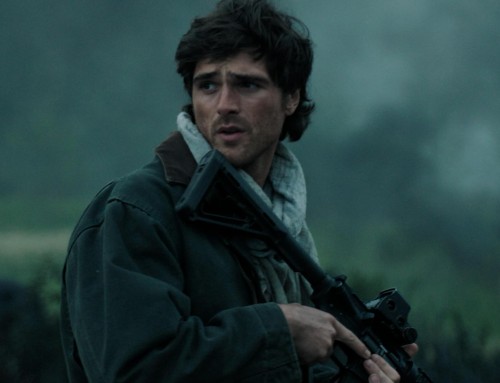
Some of these movies were made with passion and meaningful storytelling. Original plot and story. Some came with creative elements into motion pictures. Some of these were the best of the 90s.
I think between the list, runners-up and Honorable a mentions everything I’d pick is there. But I’d really have to think about it.