


Courtesy Cineverse
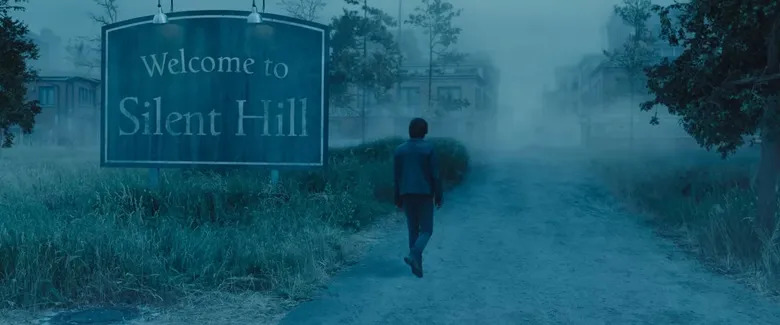
James Sunderland (Jeremy Irvine) is overwhelmed with grief following the loss of his girlfriend Mary (Hannah Emily Anderson). After receiving a mysterious letter from her, asking him to meet her in the town of Silent Hill, the town where they first fell in love. When James returns, he finds the once-lively village town to be an abandoned, desolate ghost town, shrouded in fog. Mary writes in her letter for James to meet at their “special place” which is in the Lakeview Hotel. In order to potentially find his long-lost love, James must trek through Silent Hill and avoid the horrifying monsters that now inhabit the town.
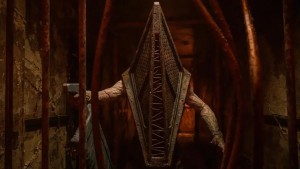
Directed by Christophe Gans, Return to Silent Hill is a faithfully recreated adaptation of the Silent Hill 2 game, but lacks the thickening dread and overwhelming sense of melancholy that made the game so iconic in the first place. Gans’ first Silent Hill film was dripping in atmosphere, capturing the queasy anxiety of roaming around a fog-infested ghost town inhabited by limb-less, goo-spewing creatures, Pyramid Head and nightmarish demon nurses. While that film sputtered out by the end of its runtime, it is potentially the best example of translating the experience of playing the game into the realm of cinema. His second foray into this world has occasionally stellar recreations of the game, from little details in the costuming and production detail, to game mechanics such as radio static appearing whenever enemies are close by. Gans implements some welcoming practical effects for a number of the creatures, relying on acrobats and dancers in physical suits to achieve an unnerving quality in their movements. The fan-favorite Pyramid Head monster is brought to life with an imposing physical presence that is one of the most effective elements of the film. However, these details are largely drowned out by crude VFX that undercut many of the noteworthy visuals and set designs.
Courtesy Cineverse
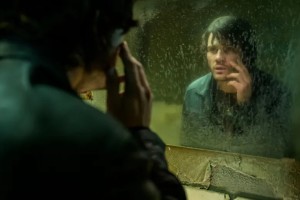
Gans has always been a visually striking filmmaker and he showcases his expressive voice in the film’s intricate compositions. He is a filmmaker that knows how to craft distinct shots and loves to move the camera in exciting, unique ways. Yet, he fails to capture the true psychological terror of James’ descent into Silent Hill. The inherent power of the story still manages to shine through in the dramatic final act, but much of the runtime beforehand is sluggish and fails to deliver any meaningful scares or chills. Gone is the nagging allure of the town that guides James through his quest. The sense of hopelessness and despair that James feels is all but watered down in this film, leaving a blank lead character wandering around in the darkness for long stretches. Gans is unable to garner constantly strong performances from his cast with Jeremy Irvine proving to be a stiff lead.
There is a lingering tragedy to the character in the game that is all but excised in this film adaptation. Hannah Emily Anderson’s Mary is largely one big doll-eyed blank who the audience isn’t given much time to understand or relate to. The problematic flashback narrative, which was rewarding in the source material, is haphazardly utilized here, stopping the narrative in this tracks almost every time Gans flashes back from the core events. Gans and co-writers Sandra Vo-Anh and William Josef Schneider leave much of the game’s thematic thorniness to the side, as both characters and sequences are clumsily handled. The final act reveals do showcase the film’s best staging and performances, but the weight of the ending simply fails to manifest in any meaningful fashion.
Courtesy Cineverse
Return to Silent Hill is a clunky and uneven film adaptation that lacks the pure psychological terror of the iconic video game it’s adapting. Director Christophe Gans brings many aspects of the game to life with a clear love and passion for the source material, but fails to honor its narrative heft and emotional resonance. Fans of the game will likely be thrilled to see many of their favorite moments adapted to the big screen, but Gans isn’t able to translate anything that wasn’t done better in its original form.
Return to Silent Hill opens in theaters on Friday, January 23rd.

Soooo…typical attempt at a video game adaptation