

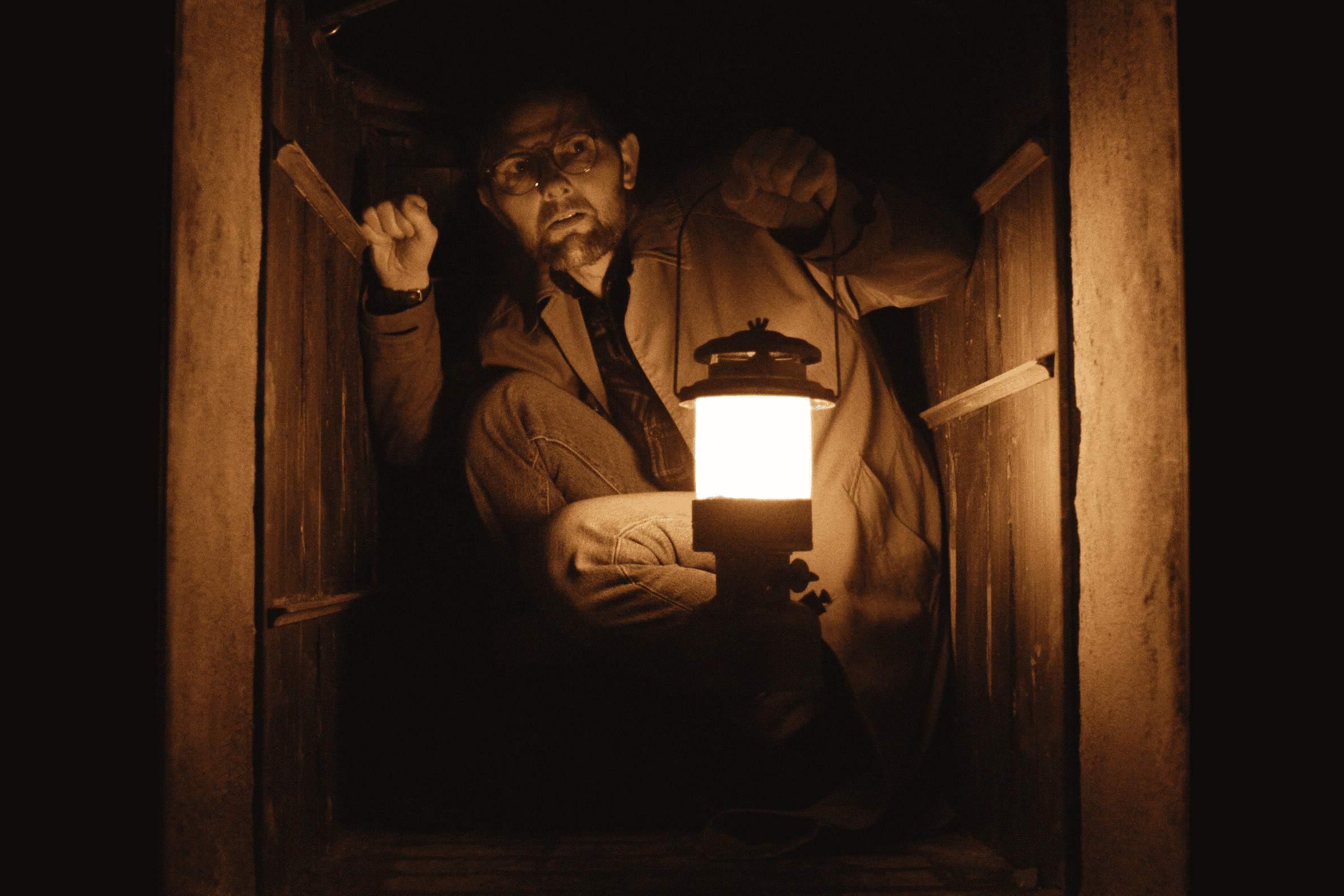

Horror from the Emerald Isle has seen a quiet, steady rise in popularity over the past decade or so, and at the forefront of that movement, undoubtedly, is West Cork-born Damian McCarthy. The director behind the grimy, isolating Caveat and the supremely freaky haunted house flick Oddity returns with Hokum, his most complete project to date. Much like his previous two films, Hokum’s premise is frighteningly simple, but the terror that unfolds is anything but.
Adam Scott stars as Ohm Bauman, an American writer who intends to spread the ashes of his dead parents near the quaint little hotel they spent their honeymoon at. The only problem? It stands in the Irish countryside, nestled deep in the forest, and there are rumors of a witch haunting the Honeymoon Suite. To top it all off, he must contend with an even more horrifying force trudging along the hotel grounds: the rural Irish.
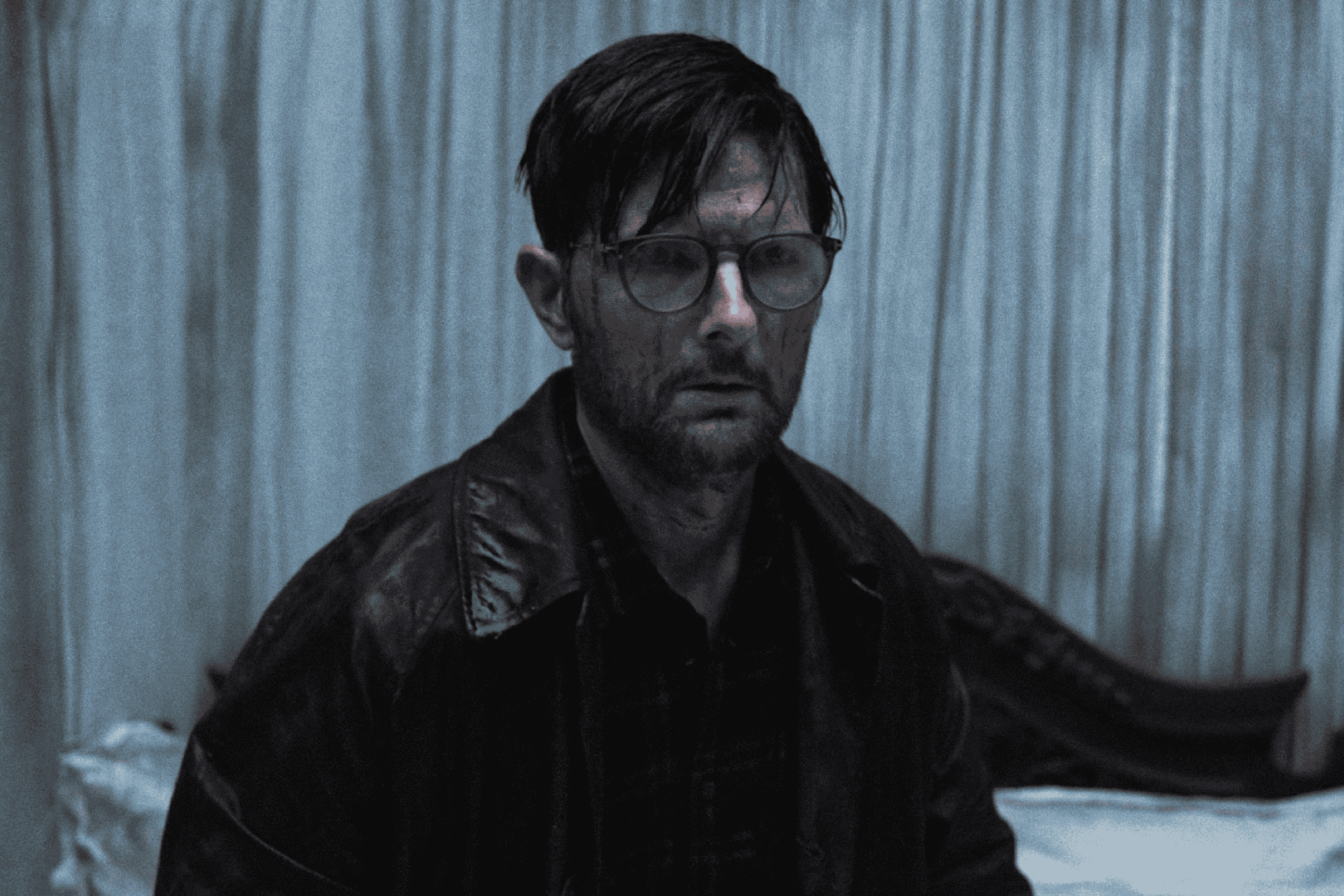
In all seriousness, Hokum’s story is deeply human, which fits the McCarthy mold perfectly. Early on, personal tragedies compound, forcing our protagonist to make a less-than-desirable foray into the darkest corners of the Bilberry Woods Hotel and confront a menacing supernatural entity… But make no mistake: much like McCarthy’s previous features, the phantoms and witches of Hokum expose the disturbing nature of humanity lurking beneath an otherwise otherworldly foundation. The human story of Hokum is perhaps the tightest and most expertly executed of McCarthy’s works yet, which rewards viewers who manage to make it past the horrifying second act.
Scott’s Ohm Bauman is possibly McCarthy’s best protagonist to date—not to discredit Darcy from Oddity—an alcoholic, despondent writer who goes to great lengths to avoid nearly all social interactions. It sounds like a stereotypical character archetype, sure, but Ohm’s evolution is cathartic, and his relationships with the other characters, particularly drifter Jerry (David Wilmot), can be heartwarming. Toward the finale, it becomes incredibly easy to cheer for Ohm and Jerry as they navigate the underbelly of the hotel and a couple of vicious antagonists.
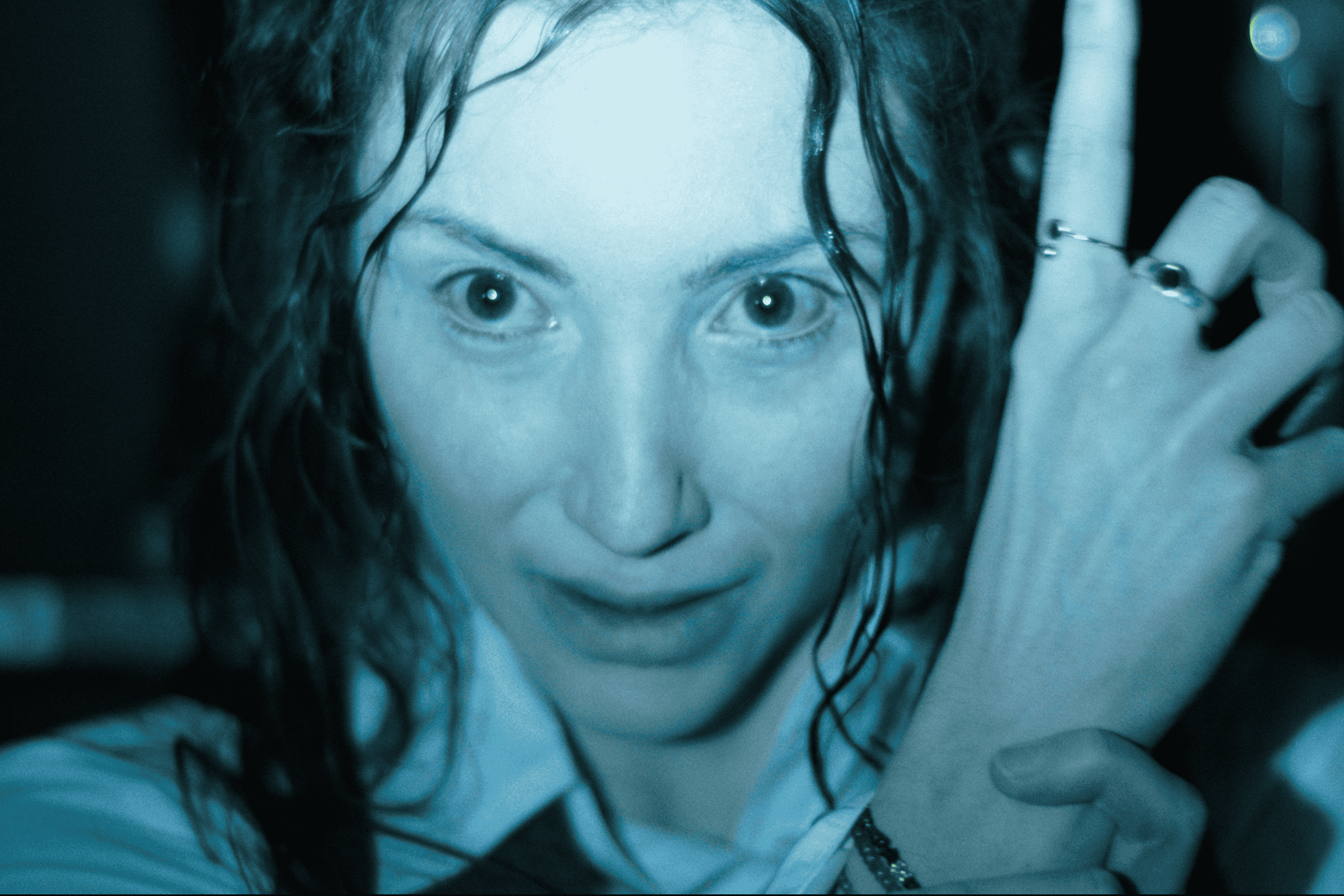
Speaking of which (or witch?), one thing McCarthy does particularly well is induce pure dread, a seemingly lost art form in modern theatrical horror. The basement in Caveat, the dark house in Oddity, with its narrow hallways and staircases—the Irishman expertly crafts suspense using the forgotten and empty spaces of familiar environments. That is no different in Hokum, where McCarthy injects supernatural misery into nearly every dark corner of the Bilberry Woods Hotel. And the Honeymoon suite, oh boy… Hokum’s second act is quite possibly the most intense and compelling of the director’s big scare sequences, thanks to the unique use of some tried-and-true horror tropes.
The best part? McCarthy does not rely on jump scares, eschewing Hollywood’s dependency on flimsy frights to deliver a tightly written, suspenseful horror film with some excellent moments, all while keeping the project very Irish and very contained. Hokum is not a big, extravagant horror film, and that is more than okay. It is eerie, a little playful, and plenty weird, just like audiences have come to expect from McCarthy… To some, Hokum may be a little too familiar, but there is some strange comfort to be had in stepping into the filmmaker’s intricately woven, peculiar little world of haunted habitats.
Hokum is now playing in theaters.Missed any our latest reviews? Read them under Reviews & Insights now!


Leave A Comment