

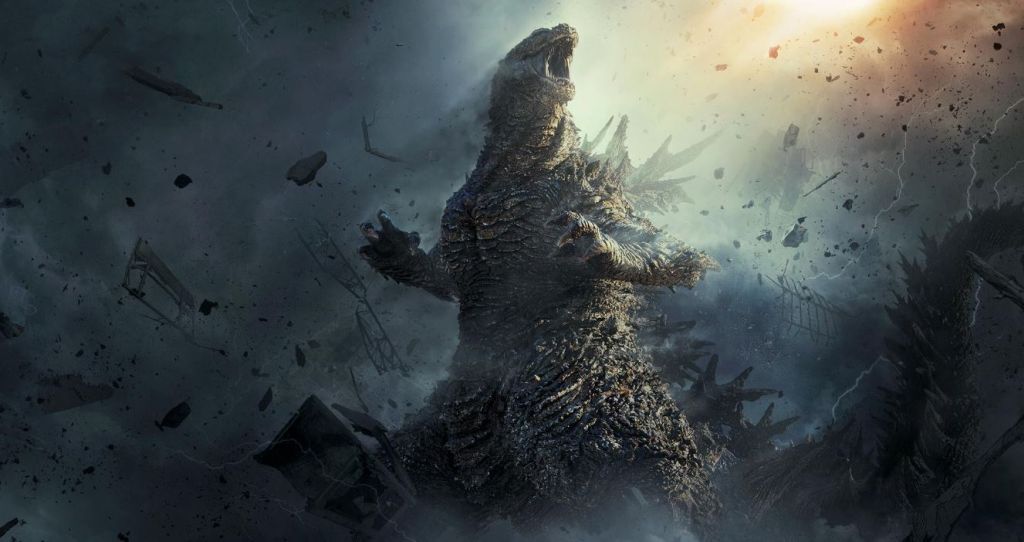

Director Takashi Yamazaki’s Godzilla Minus One was a surprise sleeper hit upon its release in December 2023. Japan’s first Godzilla film since 2016’s Shin Godzilla was an ingenious take on the iconic Kaiju monster that prioritized the genuine pain and sorrow of post-war Japan. It was a compelling way to reframe the classic monster for modern audiences while keeping in step with the original 1954 film’s sense of horror. Made for 1/10th of Legendary’s American Godzilla films, Minus One quickly became an international hit and even won the franchise’s first Academy Award for visual effects. Yamazaki returns with a direct sequel that provides more large-scale Kaiju destruction and grander set pieces without abandoning the narrative heft that made the first film such a universally celebrated piece of cinema, even if it lacks the harrowing emotional pull.
Courtesy GKIDS
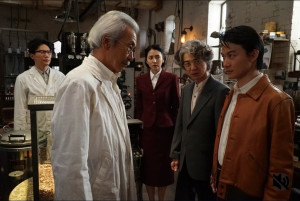
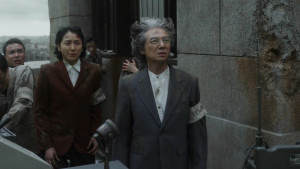
Set in 1949, just two years after the events of Minus One, hero pilot Kōichi Shikishima (Ryûnosuke Kamiki) has married Noriko (Minami Hamabe) and lives a peaceful life with their adopted daughter, Akiko (Sae Nagatani). As Japan continues to rebuild in the aftermath of World War II and Godzilla’s rampage, the country is once again threatened by a Kaiju presence, this time in the still-evolving dragon monster, Ghidorah. Scientist Kenji Noda (Hidetaka Yoshioka) is now the head of the newly-formed Large-Scale Disaster Response Bureau alongside gifted meteorologist Aoyama (Masami Nagasawa) and Hiroshima survivor Professor Murakami (Min Tanaka). After Ghidorah’s destructive powers leave the region vulnerable, the bureau’s only hope for survival lies in the resurgence of Godzilla, with whom the team is tasked with luring into battle. This effort to bring the two Kaiju together reunites Kōichi with Noda in an effort to save Japan from total annihilation.
Writer/director Takashi Yamazaki’s Godzilla Minus Zero is an epic, riveting monster movie that further explores the intertwining parallels between Godzilla’s rise and the destruction of the atomic bomb. Yamazaki’s follow-up plays much closer in spirit and narrative construction to classic Godzilla sequels rather than the terrifying simplicity of its predecessor. This means that the immediate character study aspect of Minus One is sacrificed in favor of a more grandiose film experience with more characters and a heightened sense of scale. Yamazaki still keeps his characters at the forefront, but the balancing act of personal stakes and monster destruction is more uneven this time. The film takes its time getting to Kaiju battles, too much time in fact, as Yamazaki occasionally wallows in the minutia of human melodrama to the point of exhaustion. Thankfully, Minus Zero crescendos to a gob-smacking finale.
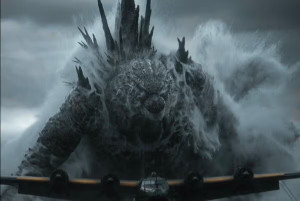
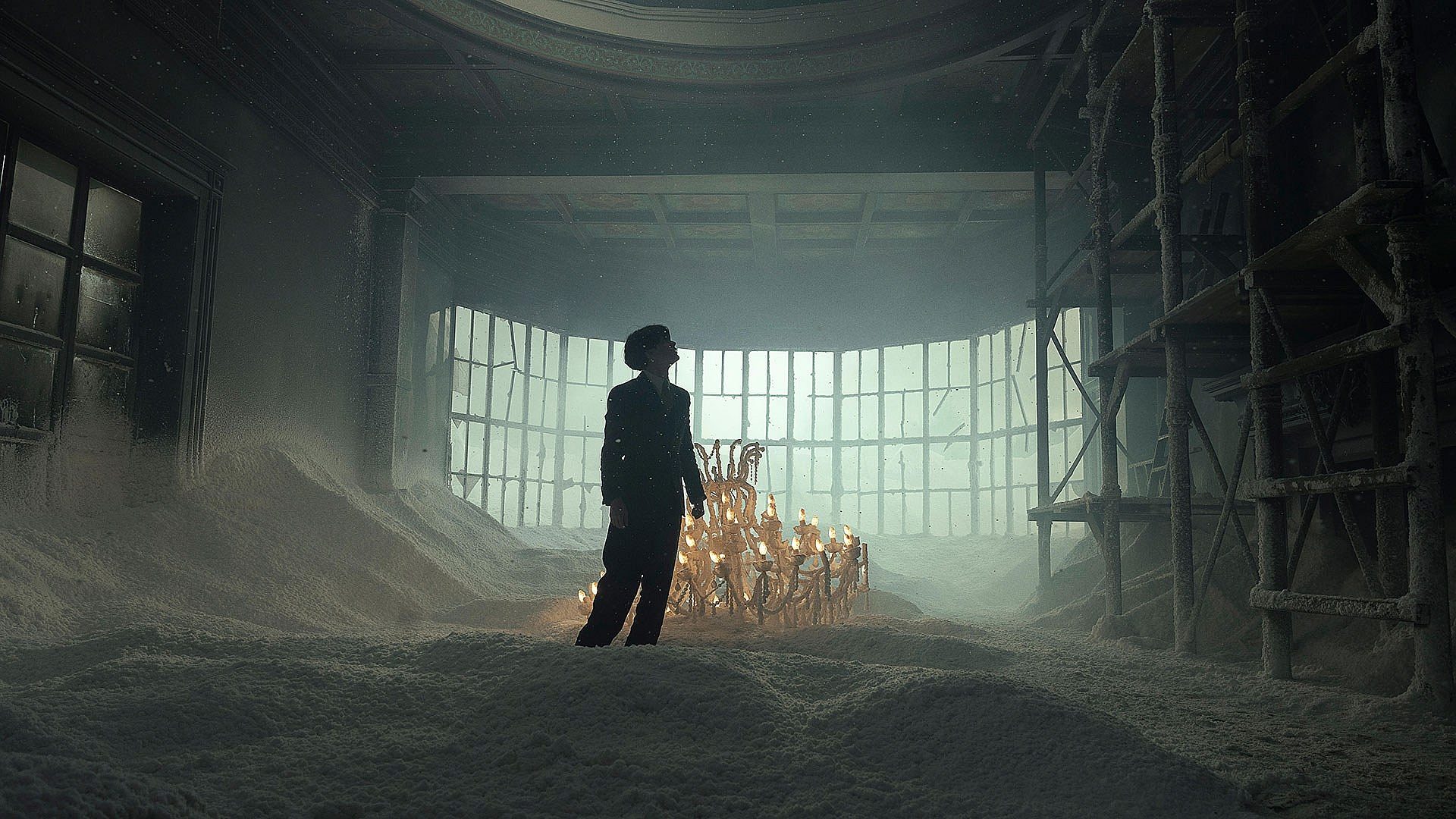
Yamazaki’s spectacularly thrilling set pieces are some of the best ever crafted in a Godzilla picture. The climactic showdown in the ruins of Tokyo’s Ginza district is an astonishing feat of filmmaking, constantly escalating tension and providing the satisfactory action beats audiences would expect from a Godzilla film. A jaw-dropping aerial dog fight is shown using elegant long takes that have the camera moving around the outside of a fighter plane mid-chase. Yamazaki deftly balances the horrific and the exhilarating to an excellent degree. There is real brutality in the destruction caused by the Kaiju monsters (and humans alike) and these moments of catastrophe have genuine weight. In the film’s grand finale, Yamazaki gives the audience real moments of crowd-pleasing monster action, but these moments never conflict with the overall sense of terror that comes from the humans stuck at the center of the battle. Naoki Sato’s majestic and triumphant score is a notable standout that is further aided in the sensory-rattling sound design that will likely test the structural limits of your theater — my ears were still ringing after leaving my Imax screen.
Courtesy GKIDS
As the first R-rated Godzilla movie, that rating is perhaps a bit harsh for a film with no egregious human bloodshed or discernible language, but it does highlight the film’s darker tone and unflinching depiction of post-war Japan. These are characters that have lived through the war and the emergence of Godzilla and just when life seems to move closer towards normal, their futures are right back in jeopardy. Yamazaki has stated both James Cameron and Christopher Nolan as influences, which shows in the Terminator 2-esque narrative structure and the emphasis on the lingering effects of the atomic bomb feels like a direct response to Nolan’s Oppenheimer. The American Military is introduced here as opportunistic and cold as they deliver a defective monster-killing bomb to Japan, but have no interest in providing any actual aid. Yamazaki takes great care in recalling the real trauma from the atom bomb, while further exploring other themes such as honor, PTSD, nationalism, vengeance and communal anger. An unnerving flashback to the aftermath of the Hiroshima bombing is equally pointed and filled with dread.
Godzilla Minus One felt like lightning-in-a-bottle as it emphasized the human condition before sweeping spectacle and although Minus Zero has real pathos and affecting moments of narrative power — not to mention a final scene that feels like an act of emotional terrorism, it’s never able to capture the swelling, lump-in-your-throat emotional register of its predecessor. The strong performances keep the viewer engaged and provide the level of heft needed to make the dramatic beats work. Ryûnosuke Kamiki is once again a terrific center to ground the film, as is Hidetaka Yoshioka’s Kenji, who is given a more complete and resonant arc this time around. Yamazaki’s film does manage to justify the overly earnest final scene from Minus One in having the surviving Noriko now dealing with lingering physical effects from the radiation poisoning stemming from Godzilla’s atomic breath. This development adds a fresh and layered perspective to the story that is rooted in post-war trauma, while also lightly dabbling in body horror.
Courtesy GKIDS
Godzilla Minus Zero is a stirring and visceral monster movie made for the biggest screens and the loudest sound systems. Writer/director Takashi Yamazaki’s follow-up doesn’t quite reach the profound heights of its predecessor, but it’s still thrilling blockbuster entertainment that retains its grounded, socially conscious roots. This may not be one of the very best Godzilla films, but Yamazaki’s stunning filmmaking craft and potent themes makes this a must-see event.
Godzilla Minus Zero is now playing in theaters.



I love Noah S Pumpkins’ review. No questions.
Not as good as Godzilla Minus One. But still a very well made kaiju film. Great special effects. 3.5 of 4 stars