



It’s hard to think of a franchise with more retcons, different timelines, and broken continuity than the Halloween franchise. How strange to think that a classic horror film from 1978 that excels in its own contained sense of simplicity would bring such a convoluted series of films. The John Carpenter classic changed the face of horror, helping give life to the slasher genre as we’ve come to know it. The franchise consists of 13 films, or 12 if you exclude the attempted anthology film confusingly titled Halloween 3: Season of the Witch, which is set apart from the Michael Myers-centered films. This is a franchise that has seen its boogeyman go from initially hunting down and killing babysitters, to then stalking the babysitter who turns out to be his sister, to stalking his niece, being controlled by a cult of evil Druid’s, and even being karate kicked out of a window by Busta Rhymes. He’s also been stabbed, shot in the eye, set on fire, decapitated, but then not actually decapitated; there just doesn’t seem to be a way to actually kill Michael Myers.
When filmmaker David Gordon Green set out to make a proper sequel to the original classic that negates all the other films in the franchise, which meant erasing the idiotic twist of making Laurie Strode and Michael Myers brother and sister, returning to the simplicity that made the original so iconic, it was hard not to get excited. That film, also titled Halloween, managed to bring classic scream queen Jamie Lee Curtis back for a proper follow-up and won over both critics and audiences grossing nearly $300 million. Instead of letting history repeat itself, the decision was made to make this a trilogy of films that would end the saga of Michael Myers and Laurie Strode for good this time. After the disappointing follow-up, last year’s Halloween Kills, we now have the long-awaited conclusion in the aptly titled, Halloween Ends. It’s a film bound for endless debates and discussions, given its ambitious nature, but ultimately serves as a fitting swan song for Jamie Lee Curtis’ Laurie Strode and her boogeyman.

Halloween Ends picks up four years after the events of Halloween Kills where Michael Myers (James Jude Courtney) has desecrated dozens of townsfolk, including Laurie Strode’s daughter and has vanished without a trace. The town of Haddonfield is struggling to move on, with reoccurring tragedies continuously opening up the wounds of the towns tortured past. Laurie Strode (Jamie Lee Curtis) is done with living in fear, attempting to live the life she never afforded for herself. She lives with her granddaughter Allyson (Andi Matichek) and is working on a novel, hoping that sharing her traumatic life story may help others, as well as help herself find some semblance of closure. Of course, this is a Halloween film, so surely Laurie’s attempt at peace is upended as Michael is most definitely alive, setting up a climactic showdown that hopes to bring this saga to its end.
After the mixed reception to the mess that was Halloween Kills, it appears David Gordon Green and his creative team have taken some criticisms to heart with a story that is far more ambitious and thoughtful. In fact, Ends feels far removed from the events of Kills, making that film feel almost pointless, save for its glorious kill sequences. Serving as a grand finale for the story of Laurie Strode and Michael Myers, Green and retuning co-writer, Danny McBride, alongside new writers Chris Bernier and Paul Brad Logan, take a much wiser approach to this film by allowing themselves time to establish much stronger character motivations, some real depth and fewer needless detours. Green, a filmmaker with one of the most diverse filmographies this side of the 21st century, takes a number of inspirations from 80’s horror cinema, particularly a beloved Carpenter classic that I won’t mention as it would likely give away one of the core ideas of the film. The narrative structure and tone is highly reminiscent of films from the era, even down to its portrayal of local bullies who essentially attempt to kill their peers.
Green and returning cinematographer Michael Simmonds have made their best looking Halloween film with some remarkable use of the widescreen frame, harkening back to Dean Cundey’s groundbreaking work in the 1978 original. You can feel the added attention to detail in the presentation versus the slick, but unremarkable aesthetic of the previous two films. Green even stages some of the best dramatic moments of his trilogy here, giving his actors more weighted material to delve into.
Returning to do the films score is, of course, John Carpenter, alongside Cody Carpenter and Daniel Davies. While this score may not have any immediately memorable tracks such as The Shape Hunts Allyson from the 2018 film, this body of work is instead more minimalist, emphasizing mood and creating an evocative atmosphere. Hardcore fans will be disappointed to find Ends has a handful of kills that happen off-screen and the slower pace doesn’t allow for as many deaths as the previous two films. That said, there are some remarkably gruesome sequences, including a nasty bit with a severed tongue that might actually be the most gnarly visual in the entire franchise.
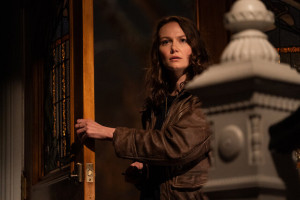
What’s most fascinating about Halloween Ends is just how bold and ambitious many of its creative decisions are. This practically feels like a Season of the Witch-style anthology film set within the confines of an actual Halloween sequel. This is a welcomingly strange film, but one that may not push itself enough. The story takes some mighty big swings and unlike Halloween Kills, many of them work. However, with each swing that works, there’s an aspect to it that doesn’t.
Take Rob Zombie’s Halloween films for example. Zombie’s nihilistic Halloween 2 fully commits to its own brand of audaciousness, delving head first in its abstract vision of collective trauma. Green doesn’t merely dip his toe, but rather places his foot firmly in a newfound sense of outlandishness. There are some rich metaphors that are explored, dealing with Haddonfield’s communal trauma and how the town continues to eat away at itself, something that was too bluntly displayed in Kills. However, unlike Zombie, Green does pull back from completely embracing his films more singular ideas, leaving a strange middle ground causing aspects of the story to feel half-baked. This also clashes with the sense of realism that has maintained throughout this trilogy, leaving a trail of plot holes and muddled logic. The segue into the climactic showdown is rather disjointed and comes off a sluggish middle section that would benefit from a few less plot contrivances.
One major new plot development deals with the introduction of character Corey (Rohan Campbell, Netflix’s Virgin River), a loner with a tragic past who falls in love in Allyson. Without getting into too much detail, this role is not an easy one, it’s rather tricky to nail down, but Campbell does a fine job at giving both pathos and layers to a character that could make or break the film. James Jude Courtney is deserving of praise as his memorable portrayal of The Shape is consistently menacing and frightening. Andi Matichek is given far more to do here than in the previous two installments and proves she’s a naturally charismatic performer that can easily stand side-by-side with likes of Jamie Lee Curtis.
As a final swan song to the role that gave her the career she has today, Curtis gives a performance that is worthy of the character’s legacy. After her worst nightmare comes true and takes the life of her only daughter, this is a Laurie who is trying to reclaim a life that was robbed of her for most of her life. We get to see a light in her that hasn’t been seen since Carpenter’s original, but also the weight and guilt of seeing so many perish around her after she hoped of his return; her desire for Michael to return so that she may finally kill him, only to have him leave a trail of more bloodshed and for him to completely disappear. Curtis gives a multi-dimensional portrayal of Laurie Strode that serves as a bittersweet final bow to the genre’s true Final Girl.
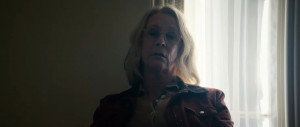
Halloween Ends is audacious and highly flawed; it takes big swings and bold new directions that previous entries attempted to take and failed miserably at. However, director David Gordon Green sticks the landing and brings the saga of Laurie Strode and Michael Myers to a satisfying and cathartic conclusion.

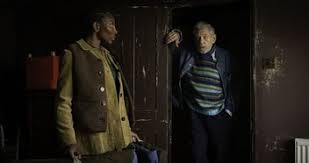
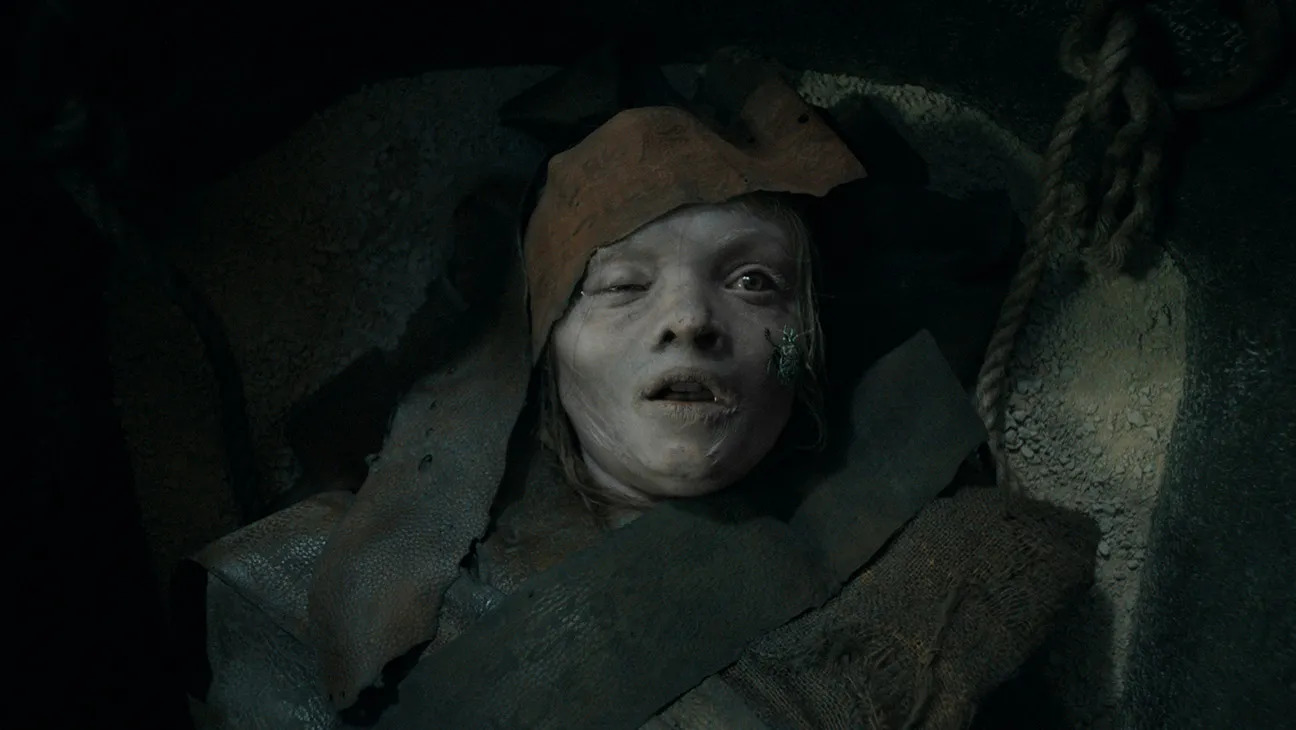

I’ve actually have been looking forward to this one, with what a great year it’s been for horror my expectations are going to be a little higher than usual this being the end of the lorie strode saga, I remember seeing the 2018 Halloween and thinking they might screw it up like they did with the most recent Texas chainsaw movie but unlike that cringe fest, danny McBride and David green are handling it with a certain care that shows us that even though they are know for their comedies, they still know how to handle a pretty big horror property that for years churned out some pretty bad entries. I’m hoping it’s a worthy conclusion and it doesn’t end like the Rob Zombie duology.
I’ve never been a big horror fan. But Michael Myers story has always intrigued me. I’ll consider watching this one.
I’m one of the rare fans of the last two. Looking.forward to seeing this Monday. I’ve heard this goes in different directions which is refreshing in a series that seems to enjoy repetition
I tried… As a horror writer and a massive Halloween fan, I couldn’t. I appreciate any film for going as bold as they did, but the film lacked the tension others in the series are known for. The new kid fell flat, and this one just left me numb. I liked where the series was going following Halloween and Halloween Kills, but this one just didn’t work. Worse than that, it bored me. If anyone else enjoyed it, go for it. I’m not telling you not to and never would. This was a flop.
Sorry, but I can’t say that I agree. It’s one thing to be ambitious and take risks, but it’s another entirely to execute those risky propositions in a substantial way. I don’t believe that Halloween Ends does this. Laurie’s last stand against Michael is bastardized by this Corey arc that is effectively made meaningless thanks to his death, all to try and encapsulate this notion of communal despair and neglect? It doesn’t work for me. Allyson’s entire arc is somewhat cringey—I don’t need to say much more about that.
Regarding its characters, is Halloween Ends more intimate and meaningful? Yes, but that doesn’t necessarily mean that the film does them justice. And how odd that Ends feels so wildly different than Green’s previous two Halloween films. Even Michael is far from the terrifying killer that he has been in every other franchise entry… Understandably so, but logical justification aside, it feels disingenuous to me.
There are certainly high points here, but I was sadly disappointed overall.
Absolutely nail on the head review! I didn’t care for this trilogy since the twist in the first one with Dr. Sartane being evil like a nazi scientist or some shit lol. It swung for the fences and most of it really landed for me but I agree with you wholeheartedly that there’s always something wrong with each turn but usually still worth the swing instead of being just plain old bad or boring it was at least interesting. Them ending the Corey characters life I felt was the films mistake. Almost made everything in the film void which was annoying but I’m still glad they did ever thing they did with him.
I loved this movie! The feelings of depth and the score alone are fantastic. The “new” plot was really cool. As I felt with the dark knight trilogy, ends felt a little like it could have worked as a sequel instead of the final nail in the coffin.
Overall, I recommend everyone see this movie. Especially in theaters with a crowd.
Nice conclusion to the saga
Was very surprised by this. Not as bad as people make it out to be.
Well in my opinion it was good, but not like Halloween kills. I wanted to see more Michael Myers just doing what he do best killing. Not having a….”student”. That just my take. Everyone want to see Michael Myers kills that’s what people want to pay to see. I like the final ending how everything is set up, but if you’re expecting something similar like H-Kills you probably won’t like this. Overall its different take on the story that we all know. Go see it out of curiosity.
I liked it – very character driven and I thought it had a lot to say about America today.
Jamie Lee Curtis is one of my favourite actresses. Picturing her as Laurie was very flowing, while all other characters in this film have new depth to it.
I feel like there is plenty of “dark scenes” in this film, but it gives me an impression of a fresh style of Halloween films. I think this film depicts the new mindset of America these days. I am glad that new films like this are being made. But only talented actors can actually play these roles without copying themselves from previous films, while keeping the “character”, and being different at the same time.
Loved this installment in the franchise. It actually felt like the writers tried this time around, and felt like a real movie with substance (especially next to ‘KILLS’). I loved the new direction they went in, instead of yet another rehashing of the same old Michael killing people again and again. Since this is Michael’s send off, his death was a tad bit underwhelming but how does one kill off a 40+ year old entity that’s been unkillable? I think they did the most of what they could do. Also, I will die on the hill that Jamie Lee Curtis is the best “final girl”.
As always I’m impressed how you can be so detailed without any spoilers. I’ll take a stab ( pun intended) how this Halloween ends. They somehow simultaneously perish, possibly in each other’s arms. I have not seen the movie.
I thought it was good. I hugely enjoyed the new original stuff. People criticize it for that but you simply shouldn’t add much to Michael. This was about the people of Haddonfieid with Michael in the shadows. That’s when Halloween is best.
Sadly, I didn’t really care for it. It reminded me a lot of Rob Zombie’s Halloween 2, actually, in terms of how much of a hard left it takes to the continuity.
Sometimes, that can pay off like it does imo with Season Of The Witch, but it didn’t here.
In a franchise that has had baby sacrificing Druid cults, Busta Rymes doing Kung fu against Michael Myers, and Hobo hoodie Michael Myers with a ghost horse….
Halloween Ends might be the biggest left turn of all in the series. So incredibly ill conceived. David Gordon Green is just remaking Christine with Michael Myers. This is so dumb.
Surprised how much positive feedback this has been getting. After that last movie, I wasn’t expecting much out of this one. I’ll have to give it a shot.
Well, I won’t discuss any plot points. I will say I liked the movie. I do hope this truly is the END. But I’m sure I’m wrong. Haha
There was a few shots of Jamie Lee Curtis I could see her younger self coming through. It was a cool thing.
I don’t take these movies seriously… but it was entertaining.
On an off topic comment….I was not happy to see 5 and 8 year olds at this screening. I blame irresponsible parents and movie theaters selling tickets to a movie like this to kids of that age. Off my soap box.
This genre has never been my go-to choice. I’m not sure how many previous episodes I would have to see in order to catch up with the plot. I might be convinced to see it as a conclusion statement.
Very engaging opening. Rest of the film was meh.
I felt this film was rushed and also all over the place
I did like the ending, though. But that bring said, I really only like the first of this trilogy.
I’m not big on sequels, but the review makes this one worthy of consideration.
This trilogy is to Halloween, what the Star Wars sequel trilogy is to Star Wars… Garbage
I might eventually see the movie, I’ve not seen the second movie in the trilogy so I’m not going to currently. Nice to see it got a decent score tho!
i want to share hot girls with you for free
Dear defactofilmreviews.com webmaster, Your posts are always on topic and relevant.
Hi defactofilmreviews.com admin, Excellent work!
To the defactofilmreviews.com webmaster, Excellent work!
Hi defactofilmreviews.com administrator, You always provide great examples and real-world applications.
To the defactofilmreviews.com webmaster, Thanks for the well-written and informative post!
Hi defactofilmreviews.com administrator, You always provide practical solutions and recommendations.
To the defactofilmreviews.com admin, Keep sharing your knowledge!
To the defactofilmreviews.com admin, You always provide great examples and case studies.
To the defactofilmreviews.com admin, Thanks for the well written post!
Hi defactofilmreviews.com admin, Thanks for the comprehensive post!
Hello defactofilmreviews.com owner, Your posts are always informative and well-explained.
To the defactofilmreviews.com admin, Thanks for the great post!
Hi defactofilmreviews.com webmaster, Your posts are always a great read.
Dear defactofilmreviews.com administrator, Keep up the good work!
Hello defactofilmreviews.com admin, You always provide useful links and resources.
To the defactofilmreviews.com administrator, Excellent work!
Dear defactofilmreviews.com admin, Your posts are always well-written and easy to understand.
To the defactofilmreviews.com webmaster, Your posts are always well thought out.
Hello defactofilmreviews.com admin, Your posts are always well organized and easy to understand.
To the defactofilmreviews.com owner, You always provide valuable information.
To the defactofilmreviews.com webmaster, Your posts are always well-supported and evidence-based.
To the defactofilmreviews.com owner, Your posts are always informative.
Hello defactofilmreviews.com admin, You always provide useful tips and best practices.
Hello defactofilmreviews.com webmaster, Your posts are always well-supported by facts and figures.