


Reflecting back to the state of cinema from 2010 to now shows both a progression and regression in how we watch films. Sadly, so many boutique films in the metro Detroit area and across the country have remained closed since COVID, limiting just how many art-house and independent films are released. Looking down at the theaters below, most of these films were fostered in local Detroit boutique art theaters. Flash forward to 2025, so many smaller films do not have the home that the 2010 independent films have. Sure, they get released in the theater, but they are mostly in Ann Arbor, and I’m lucky enough to get screeners for the very small movies, and I attend the New York Film Festival to catch the bigger movies, as most indie films don’t get multiplex releases anymore, as so many big studio movies buy up so many screens, and even the big movies don’t make it past the theater after a month anyhow, as everything is about quick box-office numbers from the first few weeks. However, despite these quibbles, so many modern films eventually do catch these movies on streaming services on rental, and they possibly find a wider audience than ever before in part due to social media buzz as well. My goodness, a film like Sentimental Value and It Was Just an Accident already feels mainstream thanks to the buzz that so many film buffs online will continue to watch these films leading up to the Oscars in March.
Like in 2010, renowned filmmakers from this year are still producing great features, and its amazing how so many filmmakers of 2010 are still releasing quality films 10-15 years later, like Sofia Coppola, Mike Leigh, David Fincher, Darren Aronofsky, Gaspar Noe, and Derek Cianfrance. For purposes of this retrospective list, a film qualifies as a “Best Film of 2010” if it could be viewed theatrically in North America between January 1 and December 31, 2010. As I revisited these films, I was amazed at how timeless they still feel today and how they have shaped so many great films that are released today in terms of aesthetics, scope, and vision. Here are the best films of 2010:
Courtesy Focus Features
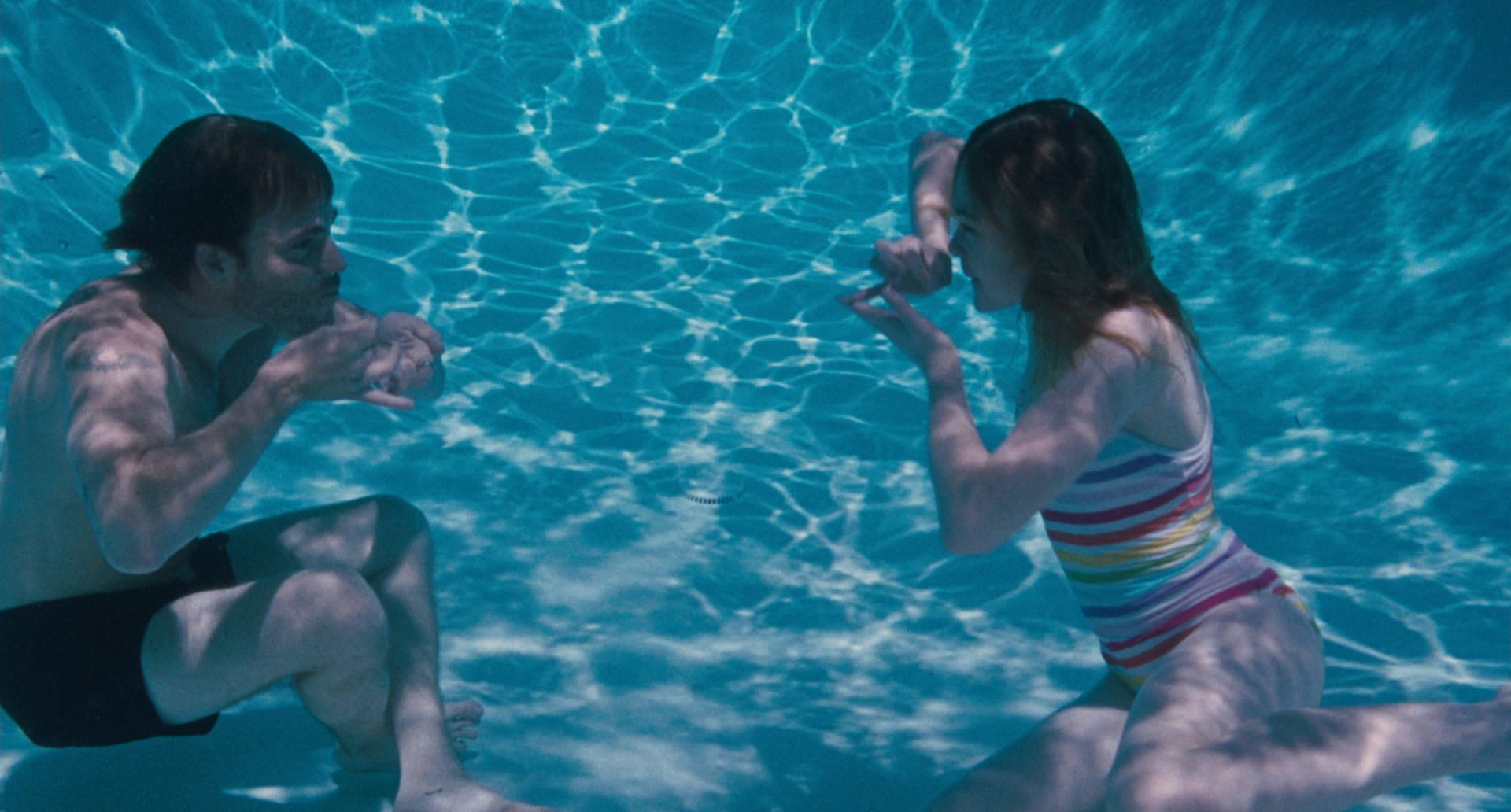
1. Somewhere (d. Sofia Coppola)
After The Virgin Suicides, Lost in Translation, and Marie Antoinette, it was fascinating to see where Sofia Coppola’s fourth feature would go. Instead of going lavish again, she went back to the sort of internalization that was hinted at in Lost in Translation. With drawling visuals and an exquisite observational style that the impatient will dismiss as “slow”, Coppola’s vision here is an elegant and personal ode to fathers and daughters, and it’s a study of a hollow celebrity (Steven Dorff) transcending himself and growing into a stronger father and a more loving person. Coppola does all this without manipulation and sentimentality, yet she earns it with exquisite artistry and grace. Dorff delivers the performances of his career, and the key scene where his womanizing celebrity character of Johnny Marco stars to see his young daughter Chloe (Elle Fanning) starting to become a young woman as she ice skates to Gwen Steffani’s “Cool” in an empty skating arena. Johnny begins to slowly start to see women as women instead of objectives, and the beauty is the arc is a slow-build up with a genuine payoff in the third act as Coppola brings her deep humanism.

Courtesy Sony Pictures Classics
2. Another Year (d. Mike Leigh)
Perhaps the most melancholic film of British auteur Mike Leigh’s fine career, yet once the credits roll and you are deeply moved, and it quickly becomes clear that this is one of the greatest cinematic efforts of his career. Continuing some of the same pathos found in Secrets and Lies, it has a first-rate ensemble cast (Leslie Mann in her greatest performance yet) and witty exchanges, but the emotional depth and themes about isolation and loneliness runs very deep, using seasons as vignettes, but never feel gimmicky or contrived–it just reflects the characters’ inner longings for connection and their yearning for something more. The final scene at a family dinner as the camera moves with a circular dolly is soul crushing as even the people closet to us can never fully realize the loneliest and sadness that is inside.

3. Blue Valentine (d. Derek Cianfrance)
Very unorthodox in its methods and approaches, co-stars Ryan Gosling and Michelle Williams poured everything that was left of them into their performances to capture the raw emotion and vulnerabilities on display. Everything from the sweet innocence of the first encounter of their relationship to the aftermath of their break-up, it doesn’t hit one false note. Derek Cianfrance certainly borrowed a page or two from the stripped-down style of John Cassavetes and the themes echo Faces. The end results are heartbreaking and melancholic. Certainly, a highlight of not only 2010 cinema, but of the century so far.

4. Black Swan (d. Darren Aronofsky)
Darren Aronofsky’s Black Swan made a splash both artistically and commercially upon its release in 2010, and this darkly enraptured film was designed like the Swan Lake ballet itself as Aronofsky utilized an amalgam of precise movements with brooding elegance. There is a certain energy to be found in this film that feels like a capricious tempo. Certainly, a spellbinding feat, featuring a career-defining performance by Natalie Portman who turns in a visceral performance where she embodies the role emotively with the human drama and psychically with the ballet skills. It’s the perfect psychological thriller with many horror tropes that are reminiscent of Roman Polonaski’s Repulsion.

5. The Social Network (d. David Fincher)
Originally labeled as “The Facebook Movie”, David Fincher’s now renowned masterpiece is now to have sequel as Mark Zuckerberg continues to displease people with data collection, algorithms, and other forms of social media scrutiny that undermines fact-checking and other forms of transparency. Fincher, along with screenwriter Aaron Sorkin, expertly traded in the “see how you live now” movie approach and instead explored how Zuckerberg’s social awkwardness and yearning for power corrupted his innovation and entrepreneurship and became a quest for possession that we still see more prevalent than ever with Zuckerberg today. All around, Fincher’s intact character study is a first-rate exploration of one man trying to find validation among the Harvard elite, and yet his unbridled creation of social media, in which people constantly post content for validation and engage in other forms of self-righteousness and polarization is a reflection of Zuckerberg himself.

6. I Am Love (d. Luca Guadagnino)
The breakthrough film from Luca Guadagnino whose trenchant artistry had previously produced only smaller feature films that weren’t well received—he turned his craft around here and made a fully energetic film that feels like an anthem. It is a breathtaking film filled with energy passion. It is not about class struggle, but rather about the collision of archaic social structures. Tilda Swinton delivers one of her most versatile performances as she had to speak Italian with a Russian accent. She is a repressed woman just waiting to bloom and explore her hidden passions and desires. Guadagnino would later go on to direct even more exceptional films after this as we know.
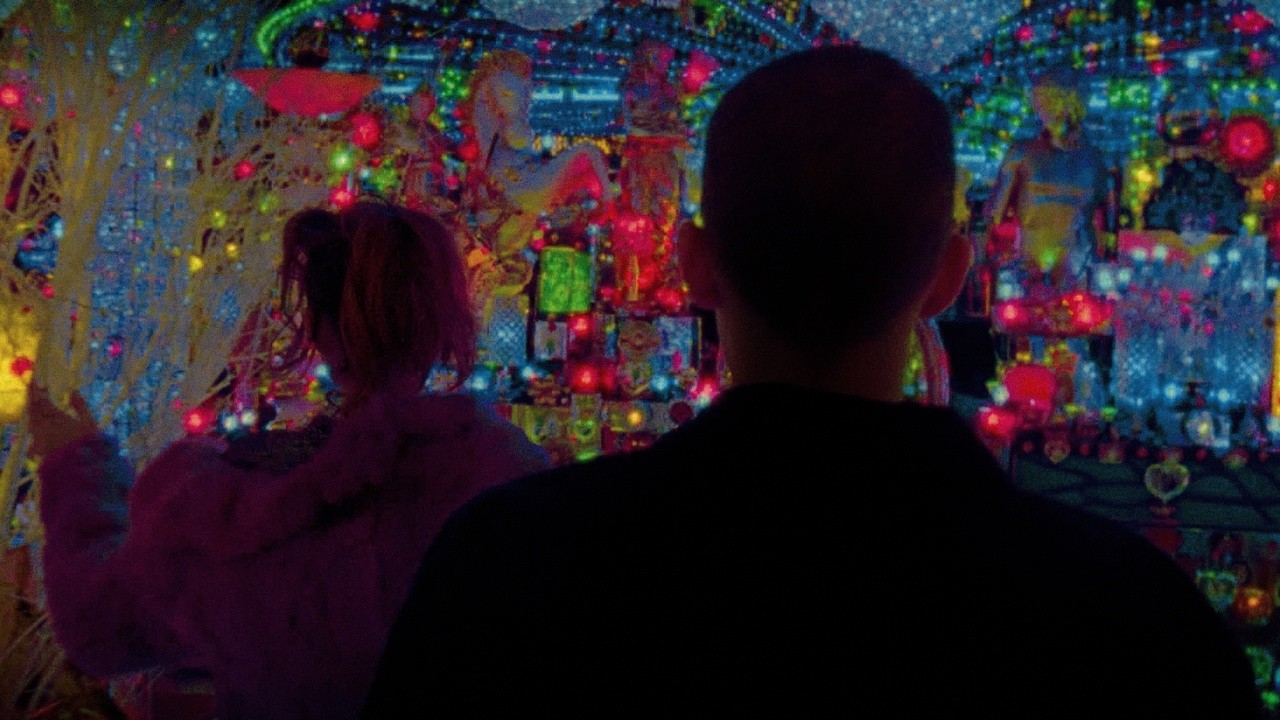
7. Enter the Void (d. Gaspar Noe)
French auteur Gaspar Noe has been the predominant polarizing director of our era. His debut feature, I Stand Alone (1998), was a deeply disturbing and chilling film that centered on the primal rage of a man who was so deplorable to see on screen, and yet you couldn’t look away. His sophomore feature Irreversible (See my 2003 Retrospective) took place in the same universe and was every bit as unnerving and disturbing as it’s infamously known for having a long unbroken rape scene. His third feature, Enter the Void, is easily one of the most formally daring films ever created. It is nearly a three-hour movie of living, dying, and ultimately being reincarnated, all from an aesthetic first-person perspective po that allows the camera to hover over other characters, places, and things as if it’s the mind and soul departing from the body.

8. White Material (d. Claire Denis)
Another masterpiece by French auteur Claire Denis that stars the great Isabelle Huppert as a French woman running a coffee plantation in an unnamed African country. The country has fallen into chaos and civil war: children march around with guns and knives, and being held at gun point is the daily routine. This is an ambiguous, enigmatic, and puzzling film that brilliantly raises a lot of issues on colonialism that Denis has explored so brilliantly before with Beau Travail and Chocolate.
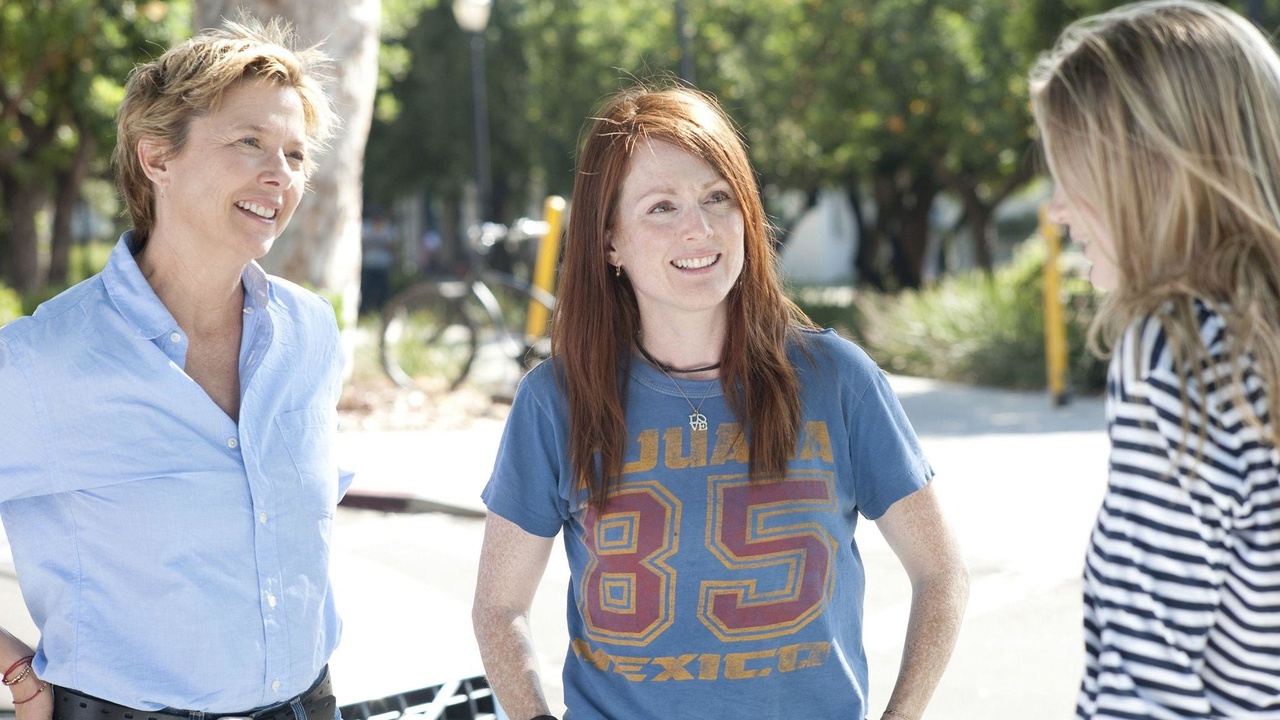
9. The Kids Are All Right (d. Lisa Cholodenko)
The Kids Are All Right may explore a lesbian marriage, but it’s more about focusing on marriage itself, and the challenges the institution brings on oneself. You are expected to spend your entire life with another person and commit to them until death does you part. Co-writer/director Lisa Cholodenko explores not only the ideal of marriage, but she also gives a bittersweet exploration of family dynamics, which gives great insights of how a modern family copes and lives during an era when same-sex marriage has just started to be accepted. The performances across the board from Annette Benning, Julianne Moore, and Mark Ruffalo are first-rate as is the writing as Cholodenko provides an intricate portrait of a marriage in crisis as it attempts to rebound.

10. Everyone Else (d. Marene Ade)
Marene Ade’s sophomore offering Everyone Else delivers a woozy and luminous effect while telling the story of a beautiful couple attempting to reconcile their relationship during a weekend stay on a German mountainside. The film is a masterful study about alienation and the unspoken longing that exists within couples, relationships, and people. Very much in the vein of Michelangelo Antonioni’s L’Aventura, and even Godard’s Contempt, with a touch of John Cassavetes, Everyone Else is a film about a couple getting together during a weekend hiking trip in the German mountains as repressed emotions and truths that they have kept from one another are revealed. This film is certainly a great modern breakup movie. It bounces between complexity to screwball comedy, and its leads indeed have the chemistry of a 30’s Hollywood screwball romance comedy, merged with Ade’s beautiful direction that consists of many awkward silences that captures the spatial isolation of its two leads. All around “Everyone Else” is an intimate and equally radiant exploration of modern love.
Runners-Up (In Alphabetical Order)
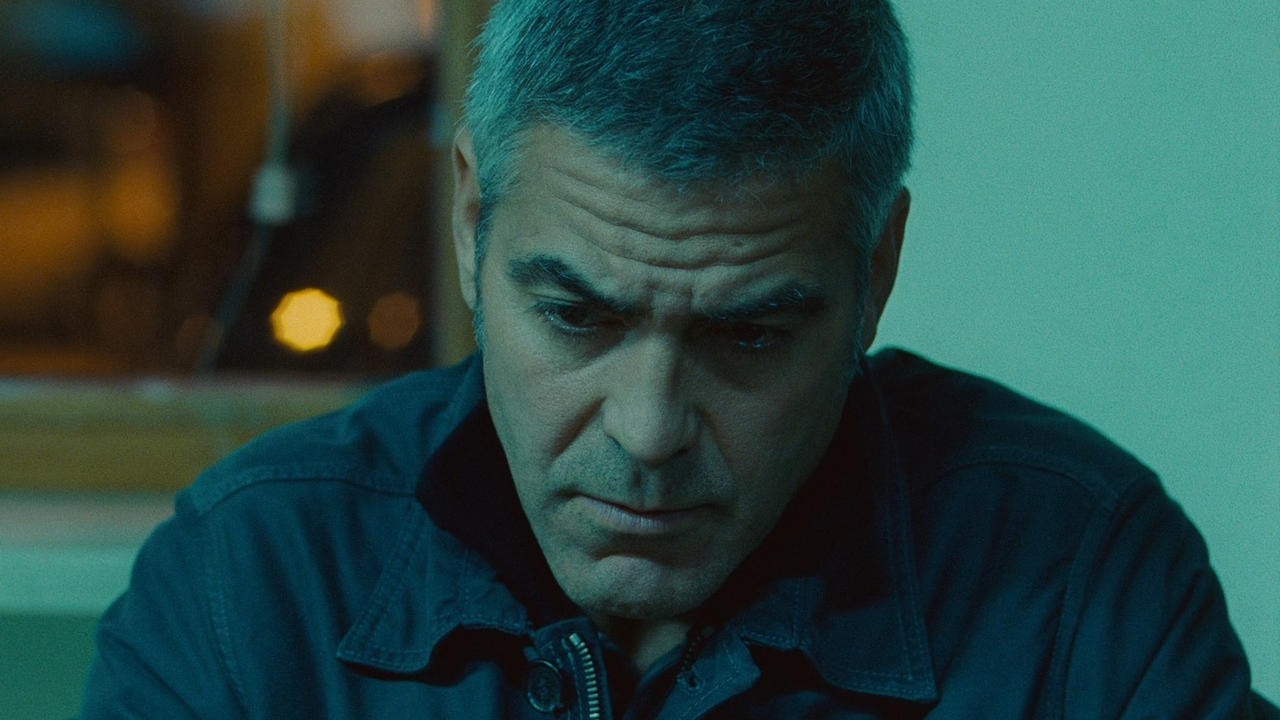
The American (d. Anton Corbijn)
Just when the male-centric crime thriller appeared to overstay its welcome, Anton Corbijn took stark influences from Jean-Pierre Melville and crafted a stylized and impassioned suspense drawer with The American, and 15 years later this film still feels like a breath of fresh air. While the film might disappoint action aficionados who are looking for more action, when the action hits, it’s undeniably engrossing. George Clooney is perfect for the role as an American arms dealer and hitman who finds himself in a web of seduction and danger in Europe. Corbijn’s most enduring feature is how it unfolds, and you find yourself allured with the style and drama that offers rich themes on loneliness, redemption, and atoning for past sins.

Courtesy IFC Films
Carlos (d. Olivier Assayas)
Olivier Assaya’s sprawling batter of a film ended up finding greater appreciation upon the full release of the mini-series about Venezuelan Marxist and terrorist Ilich Ramirez Sanchez (Edgar Ramirez), who was referred to as the Jackal, who is recruited by a Palestinian terrorist organization to perform several jobs in Europe in the early 70s. The result is not merely a righteous broadside that glorifies Ramirez, but rather a complex exploration of his hedonistic acts that shows a man of ideals who allowed decadence and radicalism to self-destruct him during a time of political turmoil and political shifts. Carlos conveys the contradictions of Marxism and revolution and shreds that in a fascinating portrait, leaving the viewer spellbound from the rich documentary style and rich history.
Courtesy Kino Lorber
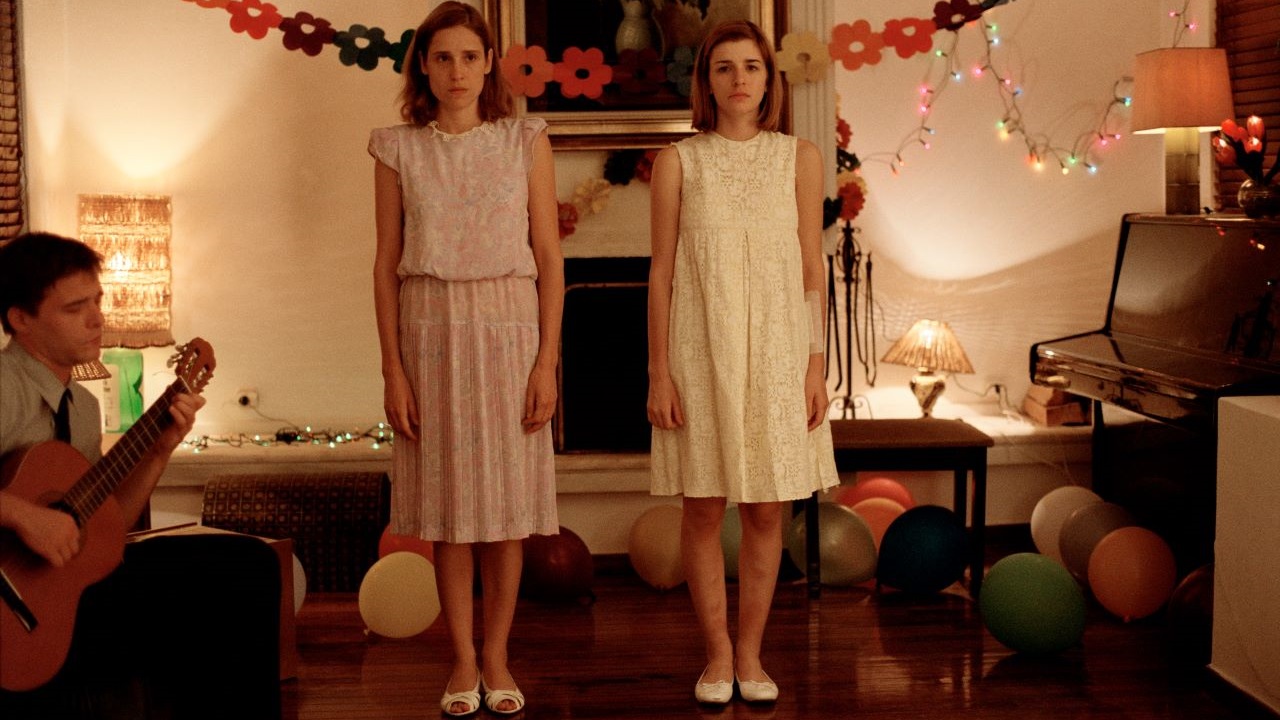
Dogtooth (d. Yorgos Lanthimos)
The film that made a monumental splash and brought notoriety to Greek filmmaker Yorgos Lanthimos, where he turns his camera on a Greek family living in an isolated compound shut off from the modern world. Bizarre things happen once the teenagers have sexual awakenings, and they begin to question what’s in the outside world. Lanthimos observes this film as the dysfunctional family and domineering father inject manipulations into the family. What emerges is a virtuosic fever dream of a movie and a brilliant work on sociology, and also a stunning evocation and even provocation about the loss of innocence and the nature of family and freedom.

Courtesy IFC Films
Fish Tank (d. Andrea Arnold)
Andrea Arnold’s contemplative, lyrical coming-of-age story Fish Tank also explores the gritty reality of adolescence, poverty, and exploitation. Within a tale lies a tale of femininity through adversity, resentment, and confinement. Though it’s a tough subject matter, the raw emotions and style reign supreme in Arnold’s vision. Lazy detractors today would label this “poverty porn,” but it’s a meditation on the desperate need for compassion against a snapshot of neglect. Fish Tank remains an alluring and wistful discovery.

Courtesy Sony Pictures Classic
The Illusionist (d. Sylvain Chomet)
Sylvain Chomet’s enchanting film is a poignant animated film that holds a lot of joy and melancholy. The film sadly examines how fantasy doesn’t win out with the inevitable drudgeries of life. Its depiction of the cycles of life has quite an arc—from an aging magician whose traditional magic tricks are no longer appreciated in a modernized world to his encounter with a young fa who appreciates the illusions, serving as a metaphor for childhood wonder. The hand-drawn animation by Chomet is dazzling. The Illusionist is a bittersweet film that takes on some bleak moments about how talents and dreams fade away due to modernity.

Winter’s Bone (d. Debra Granik)
What begins as a naturalistic dramatic thriller set in a remote Ozark eventually reveals itself as a gripping plunge into loyalty, desperation, and the dangerous and violent world of methamphetamine. By investing the source material with gritty realism, haunting atmosphere, and superlative performances, Debra Granik crafts the film into a superb story about finding heroism and courage within dangerous constraints. Jennifer Lawrence’s performance is commanding, and John Hawkes is towering. Winter’s Bone provides a chilling glimpse of the mayhem and violence that can be brought into a community of socioeconomical ruins.
HONORABLE MENTION (In Alphabetical Order)
Animal Kingdon (d. Dave Michod)
Biutiful (d. Alejandro G. Iñárritu)
Exit Through the Gift Shop (d. Banski)
The Fighter (d. David O. Russell)
The Ghost Writer (d. Roman Polanski)
Greenberg ((d. Noah Baumbach)
How to Train a Dragon (d. Chris Sanders and Dean DeBlois)
Inception (d. Chrostopher Nolan)
Inside Job (d. Charles Ferguson)
Let Me In (d. Matt Reeves)
Mother (d. Bong Joon Ho)
Toy Story 3 (d. Lee Unkrich)
True Grit (d. Joel and Ethan Coen)
**Don’t worry!!!! Certified Copy, Le quattro Volte, Of God’s and Men, Poetry, Uncle Boommee Who Can Recall His Past Lives all made my 2011 Retrospective list due to the North America domestic release.

I’m not sure where on my list Somewhere would be, but it has grown greatly in my estimation since I watched the super acclaimed AfterSun and could only see a weak rip off of Somewhere.
Great list and I agree with almost all of it. Personally, I feel that Winter’s Bone should be on the main list and I’d have the wrenching Blue Valentine as number one. It holds my favorite Michelle Williams performance as well as Ryan Gosling’s finest performance. Black Swan, Social Network – excellent. Also great seeing so many female directors on here. Really like this one.
The 2010 Hall of Fame: Of Gods and Men, Blue Valentine, Another Year, Incendies, Le Quattro Volte, Poetry, The Strange Case of Angelika, Rabbit Hole, Uncle Boonmee, Toy Story 3, Winter’s Bone, Carlos, This is Not A Film, Confessions, Certified Copy, Never Let Me Go, The King’s Speech, Black Swan, The Kids Are All Right, White Material. Everyone Else, Somewhere.