


28 Years Later is the third zombie film of the “28” zombie film series, and it marks a return by legendary filmmaker Danny Boyle (28 Days Later, Slumdog Millionaire) and screenwriter Alex Garland, who both helmed the masterpiece 28 Days Later, which was followed up in 2007 with 28 Weeks Later which was directed by Juan Carlos Frendadillio (Intacto). Right off the bat, it has the same visual style and energy as the original, which is already regarded as one of the greatest horror films ever made. It will be interesting to see how 28 Years Later gets measured in the years to come, because 28 Days Later continues to be revered 20 years upon its theatrical release. Nothing is certain that 28 Years Later will become as iconic, and it’s hard to stand up to those standards. It follows, then, that the latest installment contributes to the illusion that it is inferior and will never measure up to the original. Many third installments follow this, and Boyle’s latest should be marginalized to that. I’m not going to claim that the latest film is as great as 28 Days Later, but I will say that it’s just as startling, just as eerie, and it deserves to be measured on its own. Especially considering that it’s been over 20 years now since Boyle’s 28 Days Later was released in the theaters.
The fact that Boyle can still bring his horror sensibilities and the same visceral approach and the same style is quite remarkable. The main differences between this film and the new one are the set pieces, and the new one merges elements of the first two with a large array of ideas about how humanity is prone to violence. If anything, this one explores some similar themes from 28 Days Later, and this time Alex Garland explores the concept of mortality, and it delivers a lot of emotional depth for just being a typical zombie film or cash grab retread.
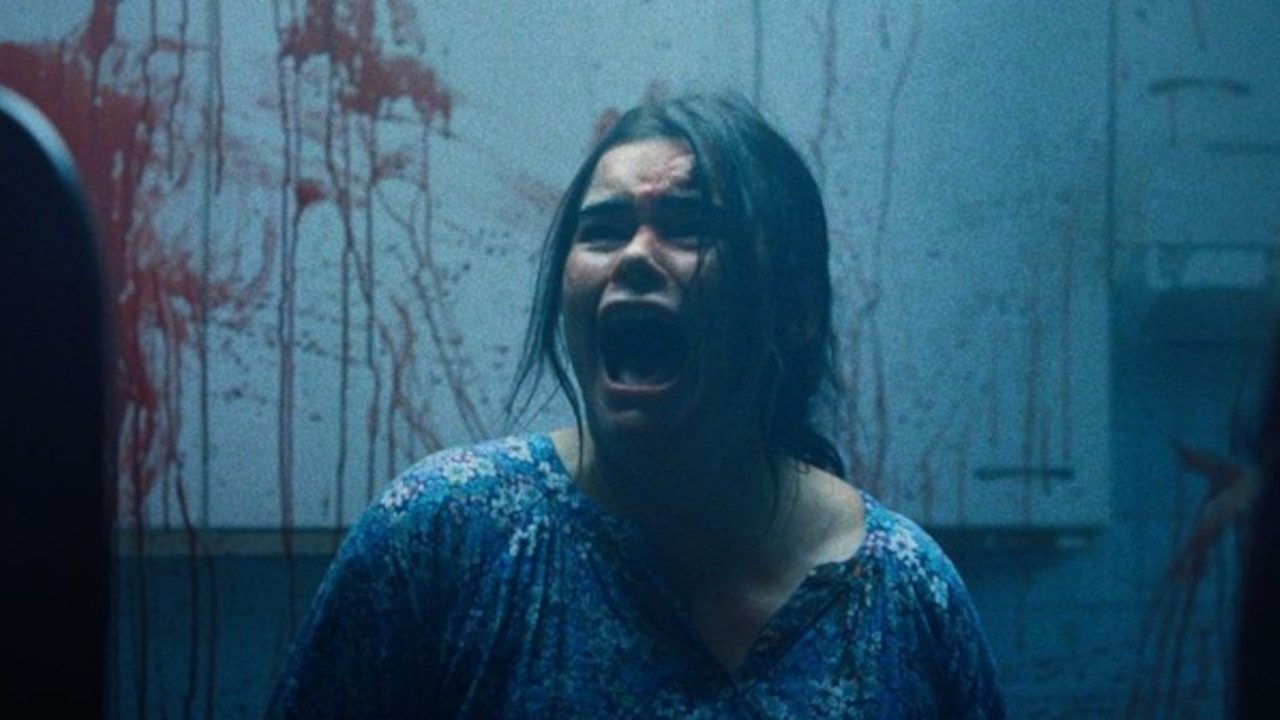
:max_bytes(150000):strip_icc():focal(680x210:682x212)/28-years-later-movie-121024-ef7e0adc6f0d49429be45954911afced.jpg) Courtesy Sony
Courtesy Sony
Like 28 Weeks Later, the film explores a family living in the aftermath of the plague. Only this time, the tidal island off Great Britain known as Lindisfarne is in quarantine, and citizens who are deprived of technology and modernity are not allowed off the island, and if anyone enters the island, it is mandated that they must stay on. The island is patrolled by a United Nations-style government, and most of the island is infected with flesh-eating zombies who were even faster and more brutish than 20 years prior. The island is connected to England by a causeway. We are introduced to a father, Jamie (Aaron Taylor-Johnson), and his 12-year-old son, Spike (Alfie Williams), in which Jamie trains his son how to kill the infected with a bow and arrow.
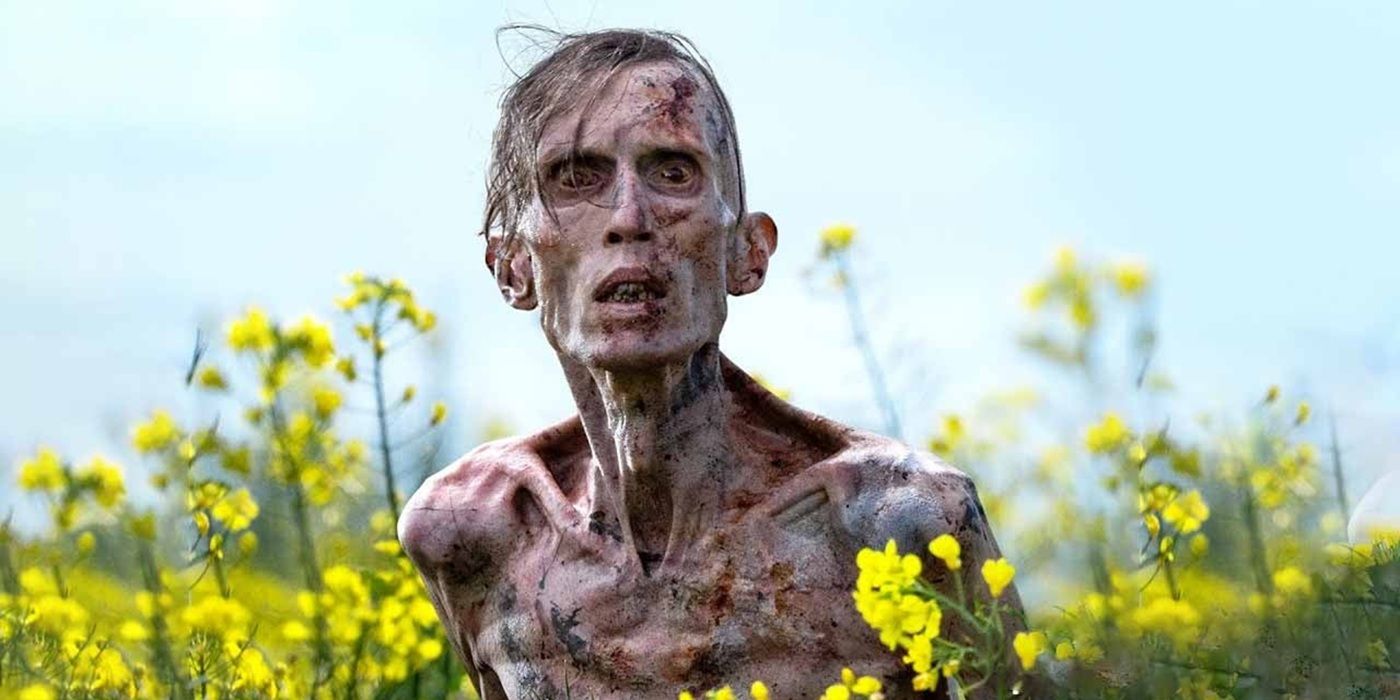
After having some triumphant kills that nearly resulted in near death for both Jamie and Spike, we meet Spike’s mother, Isla (Jodie Comer), who is ailing internally but isn’t infected. Through hearsay, we hear of Dr. Ian Kelson (Ralph Fiennes), a mysterious physician across the channel who gives Isla and Spike hope of potentially healing Isla. Against his father’s wishes due to the danger of the journey, Spike takes his mother across the island to meet Dr. Kelson. Contrary to most of 28 Days Later, most of the setting was in London, and the second half was in the countryside. 28 Weeks Later is all nature, vistas, dandelion fields, and hills. Seeing young Spike and his mother venture out brings some intoxicating imagery that also brings terrifying results, thanks to cinematographer Anthony Dod Mantle’s use of cell phones. Especially the dandelion sequence, where Spike must fend for himself and his mother as a terrifying zombie awakes a cluster of zombies that chase them.
 Courtesy Sony
There is a beautiful contrast between the violence and how death is perceived in Spike’s world and the attentiveness to death that Dr. Kelson has. He has a different approach to death, and he brings a lot of dignity to the deceased who carried on in a world full of endless suffering. How Spike sees this new viewpoint gives the film its emotional payoffs that are much needed for this film. Both Boyle and Galland seem to understand the trilogy has always explored humans’ primal side, which is every bit as barbaric as the infected, and it has that post-apocalyptic tone (which many will dismiss as overdone). There is also a brilliant montage of Boots read by Taylor Holmes and written by Rudyard Kipling. Through great marketing in the trailer, this poem has been used to sell the psychological impact, and it’s utilized to great effect in the film as well.
The entire film stands apart from the familiarity. It’s also a journey film like 28 Days Later, where the characters move from one location to their final destination. Once the film introduces Dr. Ian Kelson, it nearly has a Joseph Conrad feel to it, but Kelson finds ritual and meaning in our mortality. He brings respect to the dead that appears to be vacant in the film’s futuristic setting that appears to be a Stone Age type of living.
Overall, 28 Years Later stands on its own with many brilliant approaches, and it goes in different directions while delivering some familiar terrain. Let’s remember that Boyle reinvented the zombie film and created the “fast” zombies that would later become the norm with many zombie horror films that followed. 28 Days Later was also heightened by its grainy digital video that effectively made the film so desolate as Boyle recaptures the same aesthetics to similar effect. Boyle has only made one horror film since 28 Days Later, and that was the sci-fi horror film Sunshine in 2007. Boyle has never kept his filmmaking in one parameter of filmmaking by exploring various genres and tones, but 28 Years Later proves he certainly has the chops to be an effective horror filmmaker if he decides to make a few more in the genre. A viewing of 28 Years Later is an intense experience, filled with gasps, discomfort, and eventually moments of disquieting silence where you will rarely blink.
28 Years Later is now playing in theaters


virabet giriş linki her zaman değişiyor, en yeni adresi takip etmek şart.
redfoxbet güncel giriş linki sayesinde kesintisiz bahis keyfi yaşanabilir.
Having Boyle and Garland back is so huge. They’re such a solid filmmaking team.
This a really great review!! I’ve still never seen any of this films, but after reading this review, I’m intrigued and plan on watching the first one this weekend.
avvabet güncel olarak sürekli aktif, erişim sorunu yaşatmıyor.
Terrific review! Great writing as always! I liked the film more than I expected I would.