

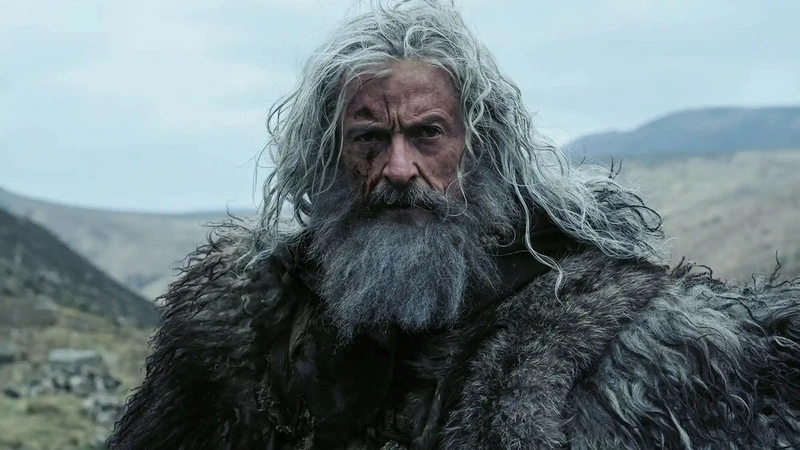

Taking a page or two from recent historical epics like David Lowery’s The Green Knight and Robert Eggers’ The Northman, filmmaker Michael Sarnoski’s third feature offers a fresh exploration of the Robin Hood mythos. Much like King Arthur’s legend in The Green Knight, Robin Hood has seen countless cinematic adaptations, yet few have matched the visceral, bone-crunching, and contemplative nature of this adventure. The Death or Robin Hood masterfully balances brutal violence and impressive craftsmanship with moments of quiet poetry. While it occasionally suffers from pacing issues—fluctuating between sluggish stretches and highly engaging sequences—Sarnoski injects enough rage, passion, and redemptive themes to keep the narrative grounded. Backed by a stirring performance from Hugh Jackman, the film ultimately succeeds.
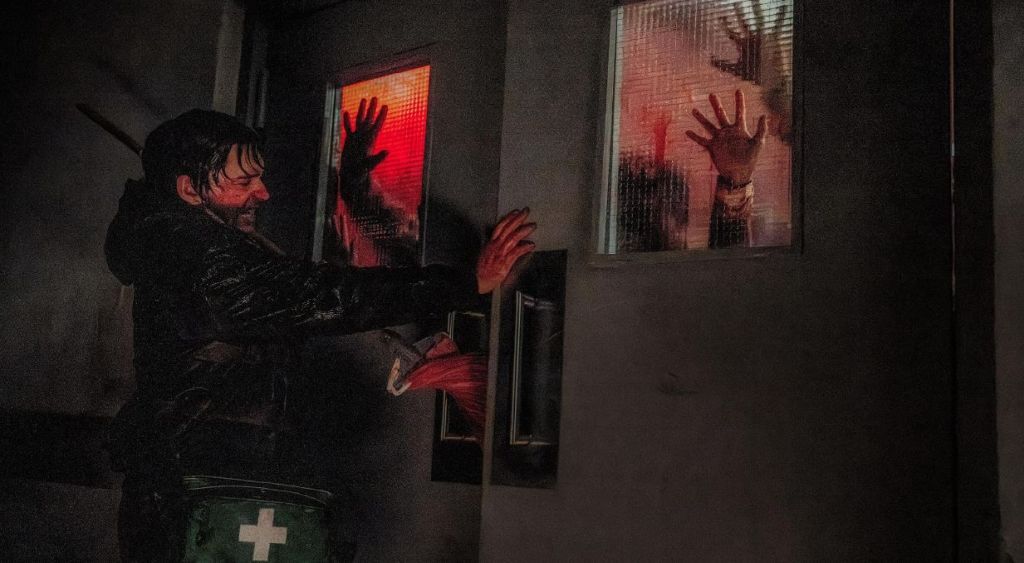
Based on an anonymous medieval ballad that deconstructs the Robin Hood mythos, the film is set in 1247 A.D. It introduces a gray-bearded, battle-scarred Robin Hood (Hugh Jackman) who is far from a heroic figure in this film. In fact, in this version Robin doesn’t give his spoils to the poor—he keeps them for himself, and the legendary campfire tales about his noble deeds were mostly fiction. Instead, in this version he is a ruthless bandit who has spent years murdering innocent people as he’s on the run from vengeful families. Following an incredibly brutal opening act and a devastating, bloody showdown, a gravely injured Robin is brought to a secluded cliffside priory.
There, he is nursed back to health in secret. As he recovers, the film shifts from visceral, The Northman-style violence into a quiet, meditative drama in the vein of a Terrence Malick or Chloé Zhao film. Robin forms a bond with the young daughter Little Margaret ((Faith Delaney) of his oldest friend, Little John (Bill Skarsgård), teaching her archery while struggling with intense guilt. The emotional core of the film hinges on a tragic realization: Robin discovers that his caretaker, the compassionate prioress Sister Brigid (Jodie Comer), is actually a survivor of his past brutality that he murdered her family years ago. Desperate to make amends and escape the cycle of his violent legend, Robin ultimately orchestrates his own quiet, devastating end as Sister Brigid doesn’t; plot her own revenge like any other story would, she uses her grace and moral steadiness to help heal. Robin on the other hand, struggles with his own guilt and decides to break his own cycle of violence.
 Courtesy A24 Films
As with his impressive debut feature Pig, Sarnoski is clearly drawn to characters weighed down by immense guilt who must ultimately endure a painful, necessary process of atonement. In Pig, Nicolas Cage’s character is entirely driven by past grief, isolation, and a need to find a peaceful sort of closure, much like Hugh Jackman’s Robin Hood. Sarnoski is quickly becoming a master at taking famously intense, tough-guy actors and stripping away their armor to look at the deeply wounded, guilt-ridden men underneath that hold many vulnerabilities.
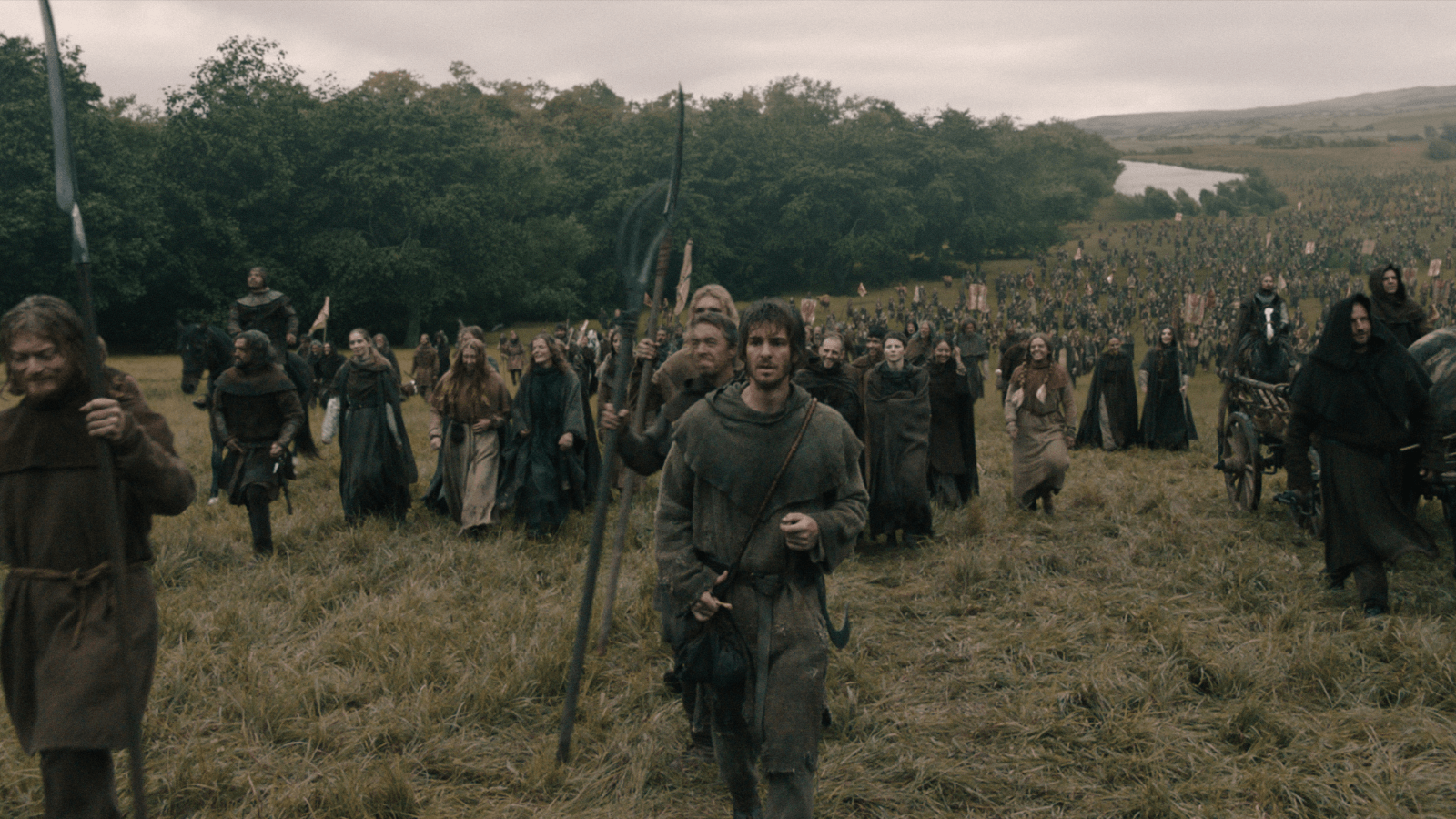
Despite some pacing issues—and the sense that a bit more narrative build-up could have yielded a more deeply felt emotional payoff for Robin’s salvation—the film still carries immense dramatic weight. This is a work clearly shaped by a filmmaker who prioritizes profound character development and meticulous craftsmanship, creating a setting that feels remarkably vivid, immersive, and historically grounded. In its seamless transition from earthly, brutal fight sequences to rich human drama, the film evokes the spirit of The Green Knight, The Northman, and the historical epics of Ridley Scott.

Courtesy A24 Films
As he demonstrated with Pig, Sarnoski is exceptionally skilled at guiding actors. Hugh Jackman channels the same ferociousness and vulnerability he brought to Logan and The Fountain, adding haunting, tragic layers to the legendary outlaw. Sitting at just under two hours, the narrative occasionally meanders through sluggish moments as it marches toward the inevitable. Yet, once that climax arrives, it does so with a rich, stoic dignity. Ultimately, the film beautifully demonstrates how kindness and mercy can transcend and eradicate a lifetime of brutality.
The Death of Robin Hood is now playing in theaters

Slow moving and brutal work looking at an old Robin Hood. Interesting attempt but ultimately overlong and boring. 2.5 of 4