

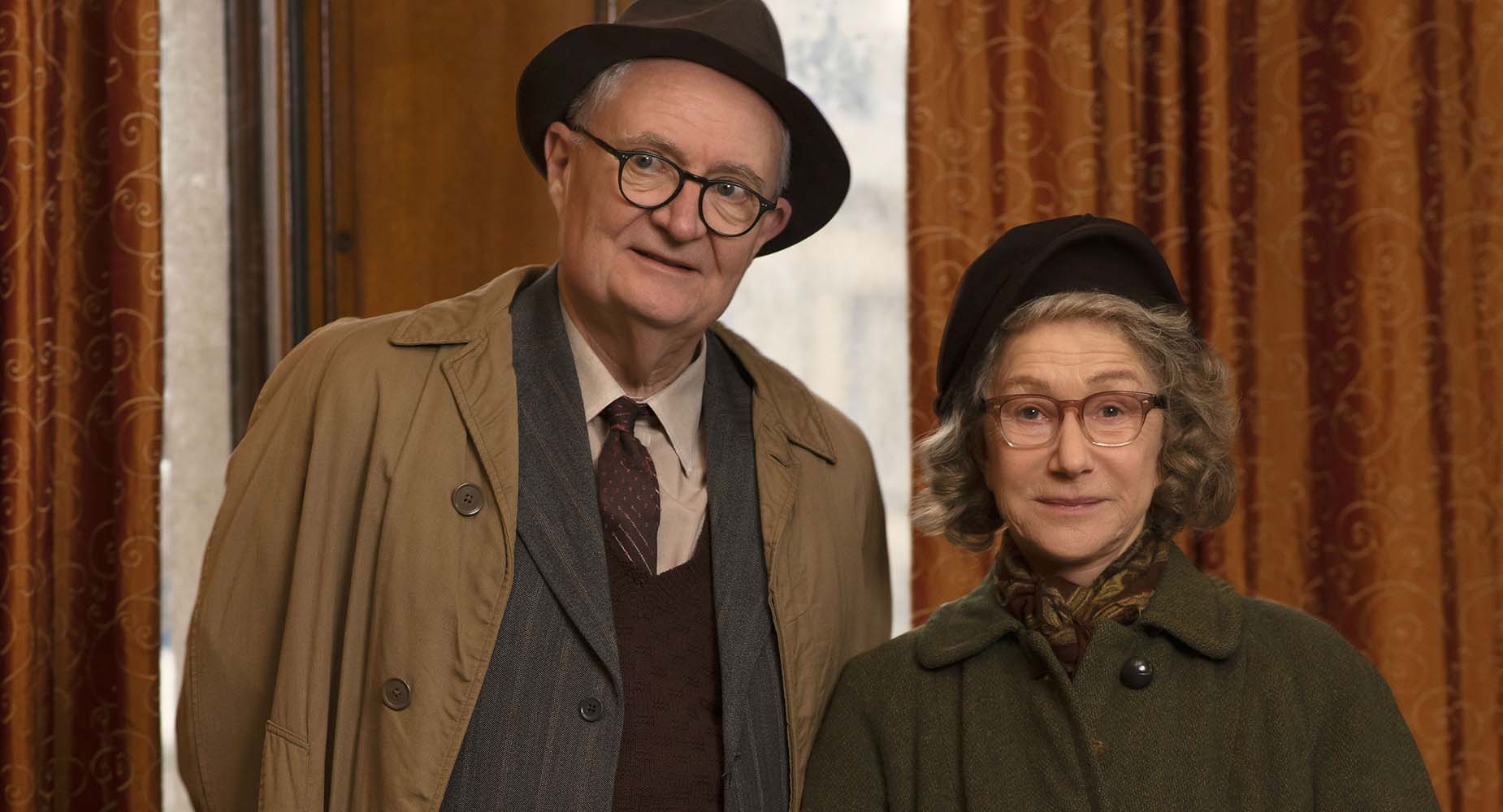

“I am you, and you are me.” This phrase from the protagonist of The Duke, Kempton Bunton (Jim Broadbent), is repeated several times over the course of the film, by Bunton himself, and later by his barrister, Jeremy Hutchinson (Matthew Goode). It is the core tenet of the man, and of the film. Based on the true story of the theft of Goya’s Portrait of the Duke of Wellington in 1961, The Duke is a simple, but well-made and entertaining film. It is reminiscent of the rush of British dramedy released in the United States during the 1990s.
It is difficult to read the intentions of Bunton in the early going of the film. When we first meet the character, he is in an argument with BBC TV license enforcers stating that because he has removed the BBC tube from his television, he shouldn’t have to pay for a TV license. He then states that no older people or war veterans should have to pay for such licenses. Kempton’s son Jackie (Fionn Whitehead) is his accomplice in the argument. But we have a sense from the reaction of his wife Dorothy (Helen Mirren) that Kempton is something of a schemer, taking up a variety of causes because he is too lazy or foolish to keep a steady job. This leaves Dorothy as the primary breadwinner, working as a housekeeper for the wealthy Mrs. Gowling (Anna Maxwell Martin). Kempton is then imprisoned for two weeks for refusing to pay for the TV license.

Upon his release, Kempton swears to go straight. That he’ll give up his causes and his hobby of writing plays and submitting them to the BBC if Dorothy will allow him two days in London to try to make a difference. Intermingled in the story at this point is the plot hook that the British government has recently spent 140,000 pounds purchasing the Goya painting. While Kempton is in London, the painting is stolen. The remainder of the film makes for an excellent mix of comedy and drama, as Kempton and Jackie attempt to keep the painting hidden from Dorothy in the small house all while Kempton tries to keep a job while continuing his “Free TV for OAP” campaign”. We are also given additional backstory in small doses regarding the death of the Buntons’s daughter, which Kempton blames himself for. When the scheming girlfriend of Bunton’s other son Kenny discovers the painting, Bunton walks into the National Gallery and in a funny scene, returns it by hand. The remainder of the film is taken up with Kempton’s trial.
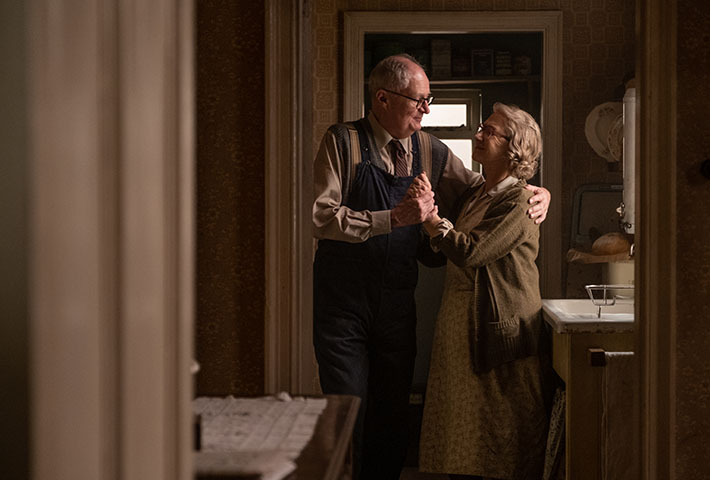
It is in the back half of the film where we get a better sense of Kempton’s true character. He sends letters stating that he will return the painting if the government agrees to provide TV licenses to veterans and the elderly. He also is fired from a bakery job for standing up against a supervisor’s racism against his Pakistani co-worker. Broadbent does an outstanding job portraying Kempton’s faults and virtues. He covers all of the nuance of the dramatic and touching moments, and is very funny as well. The trial scenes are a highlight for the character and for Broadbent. When he talks about why he has continued to pursue his causes, to try to make life better for people, they are truly emotional moments for both actor and audience. “I am you, and you are me.”
Mirren is unfortunately underused, primarily in a harried wife role, though Dorothy does get some important moments later in the film. Fionn Whitehead is also very good in his supporting role as Jackie. Roger Michell’s direction is solid but very low-key, apart from some fun moments during the London sequence when Broadbent is inserted pretty seamlessly into historical stock footage. The script from playwright Richard Bean and journalist Clive Coleman is a standout. While certainly not a perfect film, The Duke is a very good one – moving, funny, and inspirational. And it’s always worth a watch when Jim Broadbent gets a lead role.



Ooo, first I heard of this movieI. enjoyed Jim broad and been in many things I actually think Helen Mirren’s a little overrated though
Ooo can’t wait to see it!! I love that cast.
Great cast, haven’t heard of it until now.
Hello defactofilmreviews.com owner, You always provide clear explanations and step-by-step instructions.
To the defactofilmreviews.com owner, Your posts are always well-received and appreciated.
Hi defactofilmreviews.com webmaster, Thanks for the comprehensive post!
Dear defactofilmreviews.com owner, Thanks for the comprehensive post!
To the defactofilmreviews.com webmaster, Thanks for the well-presented post!
To the defactofilmreviews.com admin, Thanks for the well-organized post!
To the defactofilmreviews.com administrator, Great content!
Hello defactofilmreviews.com administrator, Thanks for the well-organized and comprehensive post!
Hi defactofilmreviews.com admin, Your posts are always well researched and well written.
Dear defactofilmreviews.com owner, Your posts are always well-supported by facts and figures.
Hello defactofilmreviews.com administrator, Keep the good content coming!
Hello defactofilmreviews.com webmaster, Thanks for the well-structured and well-presented post!
To the defactofilmreviews.com owner, Your posts are always well-referenced and credible.
To the defactofilmreviews.com administrator, Your posts are always well received by the community.
Dear defactofilmreviews.com admin, You always provide great insights.
Hi defactofilmreviews.com owner, Your posts are always well structured and easy to follow.
Hello defactofilmreviews.com admin, Thanks for the great post!
Dear defactofilmreviews.com owner, Your posts are always well written and informative.
Hi defactofilmreviews.com webmaster, Thanks for the well-researched and well-written post!
To the defactofilmreviews.com admin, Your posts are always informative and well-explained.
Hello defactofilmreviews.com administrator, Your posts are always well-supported by research and data.
Hi defactofilmreviews.com webmaster, Great content!
Hi defactofilmreviews.com owner, Thanks for the well-researched and well-written post!
To the defactofilmreviews.com admin, Your posts are always well researched and well written.
Hello defactofilmreviews.com webmaster, Your posts are always well-written and easy to understand.
Dear defactofilmreviews.com owner, Thanks for the well written post!
To the defactofilmreviews.com owner, You always provide great resources and references.
Link exchange is nothing else except it is simply placing the other person’s
website link on your page at suitable place and other person will also do same in favor of you.