

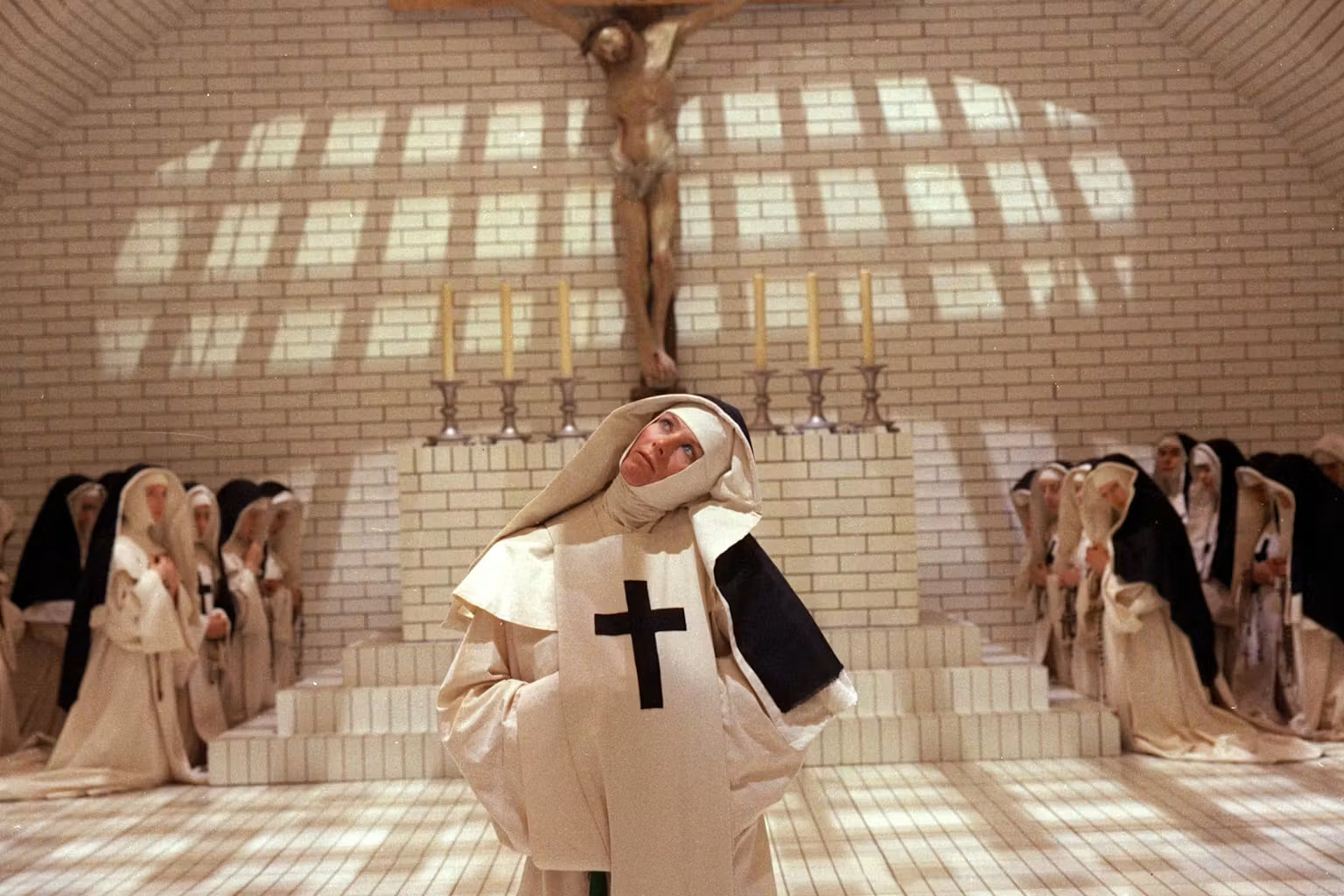

Ken Russell’s 1971 masterpiece The Devils has long held a formidable reputation as one of the most terrifying, uncompromising films ever made, though for years its full power was obscured. Anyone who first encountered it via compromised torrents or heavily edited home video releases likely saw a butchered, chaotic mess that flattened its genius into a bizarre tale of crazy nuns running amok. Reassembled in the director’s cut, however, the film transformed from sensationalist shocker into an extraordinarily eerie, deeply unsettling, and masterfully constructed nightmare.
Courtesy WB Clockwork
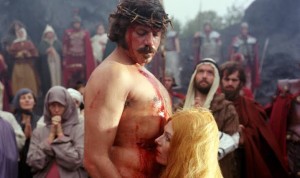
The film’s effectiveness relies heavily on Russell’s extraordinary craft. Through a distinct visually expressive film stock, deliberate color palette, and oppressive mood, Russell crafts an intoxicating, deeply uneasy atmosphere that lingers long after viewing. Yet the true terror of The Devils lies in its visceral depiction of human persecution, scapegoating, and the devastating consequences of systemic malice. At the center of this tragedy is Father Urbain Grandier, played with raw, magnetic intensity by Oliver Reed. Grandier is a flawed priest who desires to remain secular from a corrupt, government-controlled religion, preferring his own intellectual and personal freedom. Because he refuses to bow to state-sanctioned church authority, he becomes the target of monstrous accusations. The sexually repressed nuns, intoxicated by and attraction toward him, project their desires into claims of demonic possession, turning Grandier into the ultimate scapegoat. Being falsely accused, targeted, and systematically destroyed for something you never did is arguably the most frightening core theme a movie can explore.
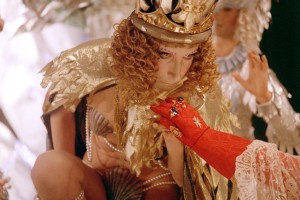
Vanessa Redgrave’s performance as Sister Jeanne des Anges is absolute genius and serves as the dark, beating heart of the entire film. Playing a severely repressed, hunchbacked Mother Superior, Redgrave captures a deeply complex portrait of tragic vulnerability twisted into destructive madness. Her characterization is extraordinary because she doesn’t play Sister Jeanne as a simple villain, but rather as a victim of her own suffocating environment whose obsessive, unrequited desire for Grandier calcifies into pure venom.
Courtesy WB Clockwork
Redgrave’s physical commitment to the role is breathtaking where every contorted posture, twitch, and unblinking stare conveys a mind completely unraveling under the weight of religious frustration and societal isolation. Her portrayal brilliantly underscores how institutional repression can curdle genuine passion into hysteria, providing the tragic spark that sets the film’s horrific witch hunt in motion. It is a brave, fearless performance that anchors the movie’s psychological terror, matching Oliver Reed’s intensity note for note and solidifying the film’s standing as an undeniable effective experience.
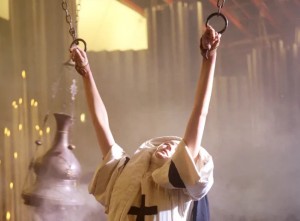
This dread relentlessly builds over the film’s agonizing final thirty minutes. As Grandier is subjected to horrifying public persecution, his head shaved and his body tortured, he is relentlessly confronted by the sinister inquisitor Father Barre, played with terrifying, icy menace by Michael Gothard. Gothard’s character, wearing distinct round glasses, stands over Grandier in a chilling loop, barking “Confess! Confess!” while executing monstrous acts under the guise of holy exorcism. Russell brilliantly exposes the breathtaking hypocrisy of the religious establishment: Barre claims to engage in brutal rituals solely to extract “demon spirits” from the nuns, yet his actions are blatantly sadistic and rooted in the very carnal, authoritarian power he pretends to cleanse.
Courtesy WB Clockwork
Russell’s film serves as a brilliant, fearless study of power and the deadly consequences when church and state merge. This political theater is captured early on in memorable, absurdly bent visual flourishes—such as King Louis XIII, dressed in flamboyant, extravagant attire, casually shooting target men dressed as blackbirds. The king’s playful, decadent cruelty perfectly captures a regime completely intoxicated by its own unchecked authority. Combined with the legendary, boundary-pushing sequences of the nuns succumbing to hysterical orgies, the film stands as a piece of astonishingly bold filmmaking, especially for 1971. Driven by incredible aesthetic design,incredible aesthetic design, astonishing performances, and Ken Russell’s uncompromising directorial vision, The Devils is an unforgettable piece of cinema, leaving an overwhelming sense of dread that remains nearly impossible to shake off after experiencing it on the big screen.
Ken Russell’s The Devils is now playing in theaters for one week only.


Leave A Comment