


Terrence Davies’ skillful direction and the engaging storytelling of Siegfried Sassoon’s life are just some of the highlights in this luminous biographical drama. From an original screenplay by Davies based on the events of Sasson’s life, the gay English war poet and writer whose antiwar poetry had empathetic verses on the agonies of war, ended up bringing him great notoriety after World War I. The film is visually sublime but not always seamless in terms of pacing and structure, particularly in the beginning. But it’s a deeply affecting, empathetic, and emotionally vulnerable character study of Sassoon’s fragile psyche. Davies’ elegantly lush film will probably reach some end-of-the year lists from some notable film publications and will probably become widely seen beyond arthouse audiences in years to come. Benediction could fare well with audiences that like prestige period pieces like Atonement, The Pianist, and Emma, to name a few. Distributed by Roadhouse Pictures, Benediction could benefit from greater marketing, especially if Roadhouse marketed it the way Focus Features markets its films to older audiences.
A film of juxtapositions and stylistic dichotomies that heighten the themes of its protagonist, Davies’ opening, and finale overlap two events: a 1914 ballet of The Right of Spring by Ignor Stravinsky and the 1961 stage play of Stop the World-I Want to Get Off by Leslie Bricusse and Athony Newley. We see Sassoon at both events, both in his youth (Jack Lowden) and as his older self (Peter Capaldi), and the characterization by Davies is layered with complexity from the perspectives of the same man at vastly different times in his life. We see him evolve from a creative, passionate, and idealistic young poet and soldier to a very bitter man who holds a lot of animosity and regrets.

Brit-born Sassoon’s writing instantly took off after the war with Britain’s upper class. Before he wrote poetry, he endured a lot of scrutiny from his superiors in the British army after being vocal about his disagreements with England’s war. He ends up being committed to an institution for shell shock instead of being court martialed. Sassoon also comes from a privileged lifestyle where he knows a lot of people in high places, but not enough to get him out of the draft, though. Sassoon ends up attending therapy sessions with Dr. Rivers (Ben Daniels), a subversive therapist in which he opens up about his attraction to men, and Dr. Rivers knows how to combat Sassoon’s cynicism. The poetic refutes, “Why must you make bad things sound so beautiful?”, which is some of the wittiest lines of dialogue you will hear this year.
Sassoon ends up encountering Wilfred Owen (Matthew Tennyson), a fellow writer in the hospital and editor of the hospital magazine. He also writes poems himself and is always seeking Sassoon’s validation, which Sassoon is always constructive in his criticisms of how derivative Wilfred’s writings are of other writers. Owen ends up writing a shattering and greatly written poem titled “Disabled” that ends up as a poignant payoff in the film’s finale. While they are in therapy, both men practice ballroom dancing, in which we can sense an attraction between them. Both men never have an intimate or romantic encounter, but Davies stages the scenes with an erotic gaze that is certainly conspicuous. Their gazes and breaks in silence are sensually staged, which ends up giving Sassoon a shimmer of hope. Yet, with the great war pending, Owen is ordered back to the battle front, where he ends up being killed. Their last scene together, that is mostly left unspoken, is rendered with an understated grace.
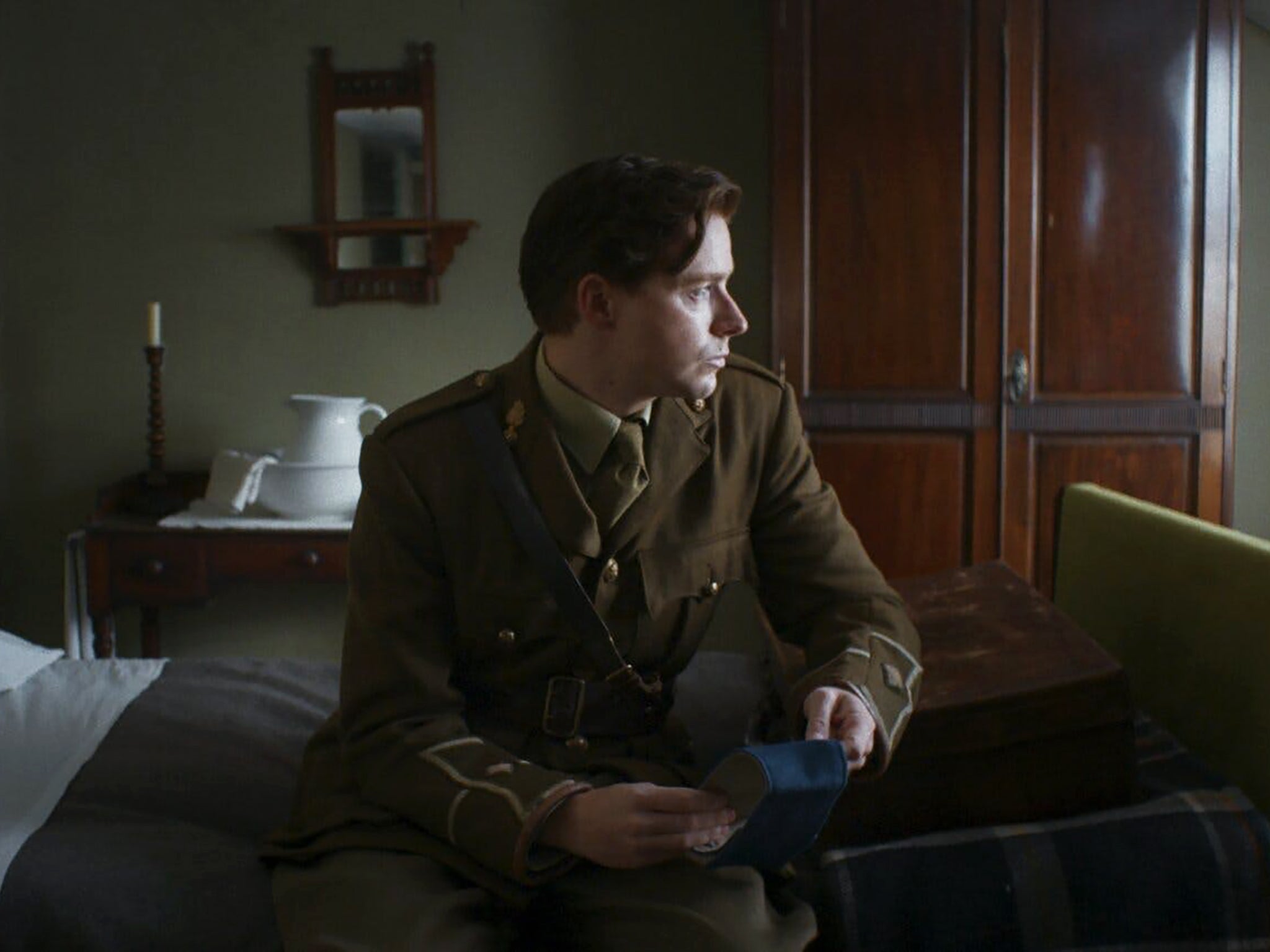
The buildup of this relationship ends up building stark characterizations for Sassoon. This failed relationship that never saw its full potential ends up becoming the origins of Sassoon’s regrets and wounded life. Lowden and Tennyson are dynamic in their scenes, as both men enjoy each other’s company knowing they will have to go off on the battle front very soon. The relationship ends up tormenting and haunting Sassoon for the rest of his journey. Owen ends up becoming a man that Sassoon couldn’t save, which appears to be a recurrence for Sassoon during the course of the narrative. Owen also ends up becoming an inspiration for Sassoon’s writings, in which he becomes determined to write more verses to honor his life. During these readings, Davies uses stock footage of the war; as Sassoon’s words go over the images, the stylistic device comes across more powerfully than gimmicky.
Sassoon has relationships with men, in which the relationships end up becoming very unpleasant. He ends up encountering Ivor Novello (a remarkable Jeremy Irvine), a musical theater actor who also starred in Alfred Hitchcock’s 1927 silent film The Lodger. Sassoon encounters Novello at a party. It doesn’t take long for Novello to seduce Sassoon, which leads to Sasson’s former boyfriend, Glen Byam Shaw (Tom Blyth), walking in on them embarrassingly. Sassoon ends up building a relationship with Novello that becomes self-destructive and emotionally abusive. “He’s funny, but his eyes are cruel,” Sassoon’s mother warns him.

The most notable supporting performance in the film comes from Calam Lynch as Stephen Tennant, who is always coughing and recovering from tuberculosis. He’s also much younger, and he has body dysphoria and narcissistic traits that cause him to be obsessed with his looks. As he lets his body dysphoria overtake him, that leads to the destruction of their relationship. Sassoon is also very jealous as Stephen often stays out late and travels to Germany with other young gay men. It’s very apparent that Stephen holds no interest in being faithful. The performance by Lynch here really is notable, and in a better world, there would be Oscar consideration for Best Supporting Actor. Glen ends up enduring a lot of stress from Stephen, which becomes another man in another relationship that he tries to save.
Tormented by these relationships, Sassoon ends up encountering a woman named Hester Gaddy (Kate Phillips), who ends up treating Sassoon with respect and decency. She’s aware of his sexuality, and she doesn’t let his past relationships blind or clout her judgments. She truly loves Sassoon; they end up getting married and eventually having a child together. Davies ends up morphing the actors into seamless continuous shots. In Sassoon’s elder life, he appears to be disconnected and frequently at odds with his son, George (Richard Goulding), and seems distant with his wife, Hester (Gemma Jones, playing older Hester). George now attends mass at the Catholic church, which surprises George. Davies delivers somber commentary about how aging. His doomed protagonist feels unfulfilled, and he’s stll still searching for answers. Has his art even made an impact? Has his life mattered? Did he make the right choices in life? Davies gets into some very existential themes that are very delicate and never heavy-handed.
Overall, Davies once again delivers an exquisite and contemplative period piece. He’s a tentative director with singular vision, and there is always a somber melancholy that is filled with his personal touches that we’ve come to expect from his films. He has helmed many other exceptional films already, with The House of Mirth, Sunset Song (which made my top 10 in 2016), and A Quiet Passion (which made my top in 2017 where Cynthia Nixon played the great Emily Dickenson). Finally, the last 15 minutes or so are some of the most powerful moments in the film. Director Davies otherwise executes a contrast of both actors playing Sassoon. Even as the older Sassoon watches the Stop the World-I want to Get Off in what appears to be joy, Davies juxtaposes this back to the opening of the younger Sassoon reading the poem that Owen left him. We see a wounded soldier in the background, as tears flow down his face. The interpretations of what Davies is saying here are endless, the emotions are, in fact, genuine and rendered with grace. Both emotionally and visually sumptuous, Benediction is one of the most eloquent and emotionally charged cinematic experiences of the year.

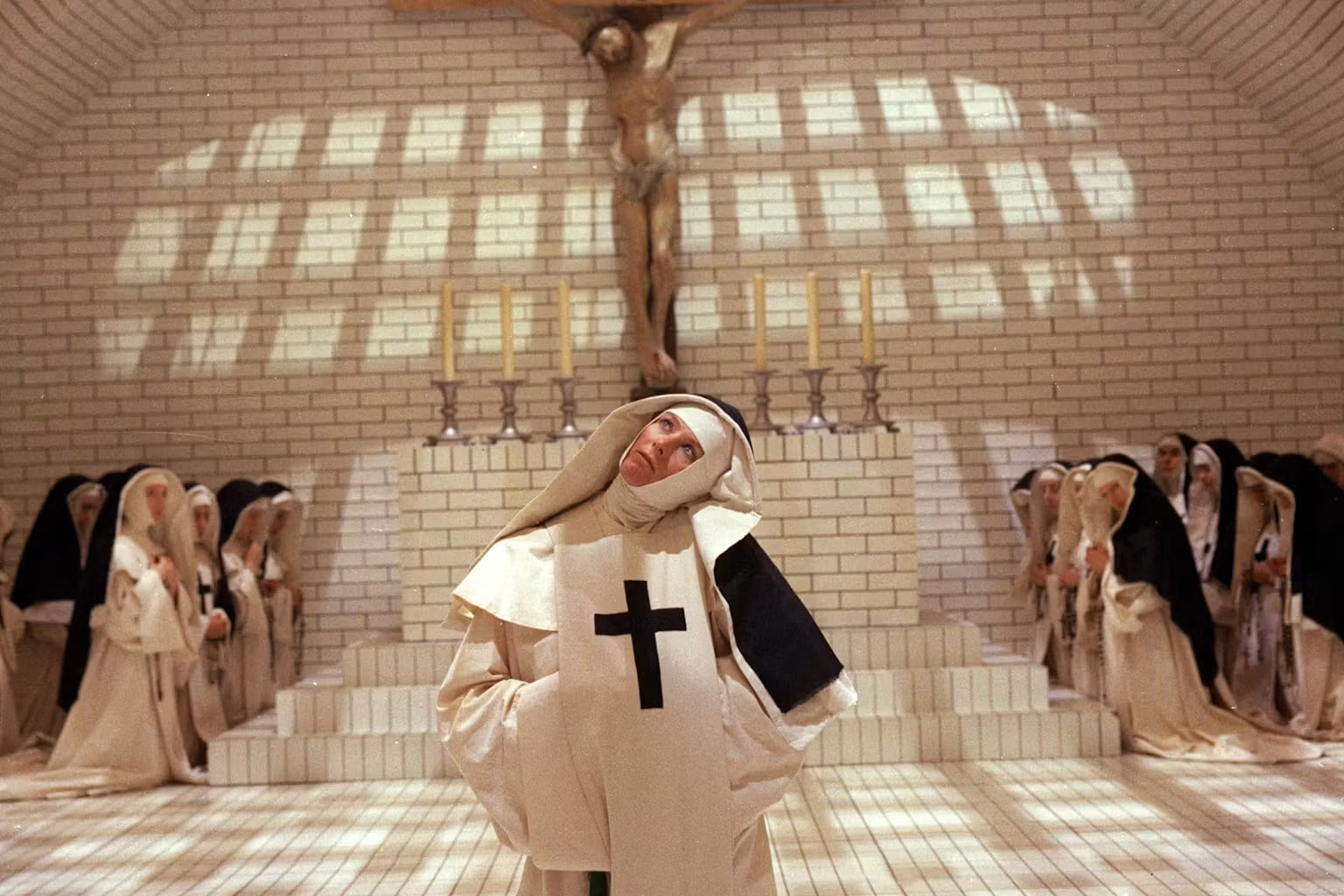


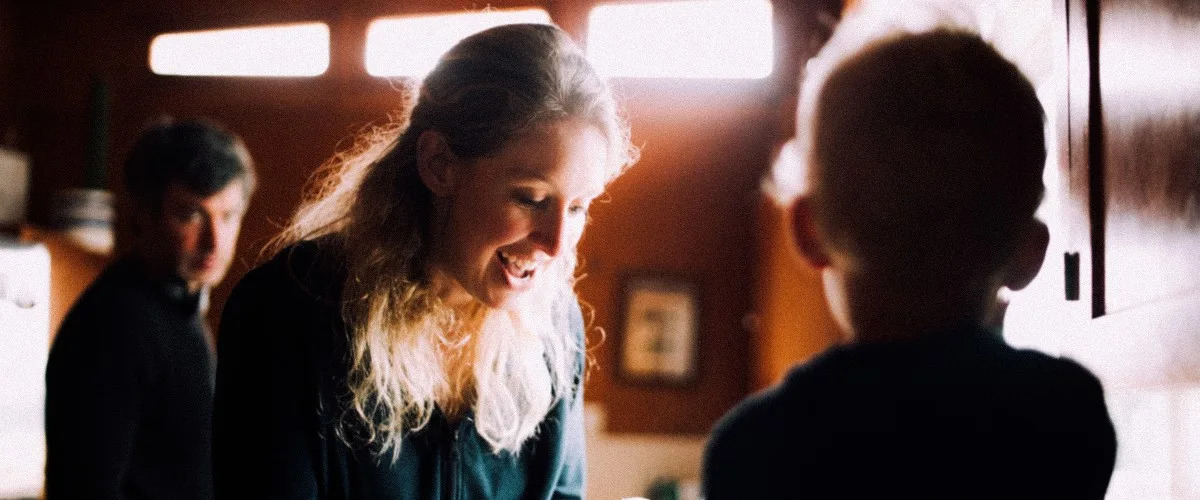
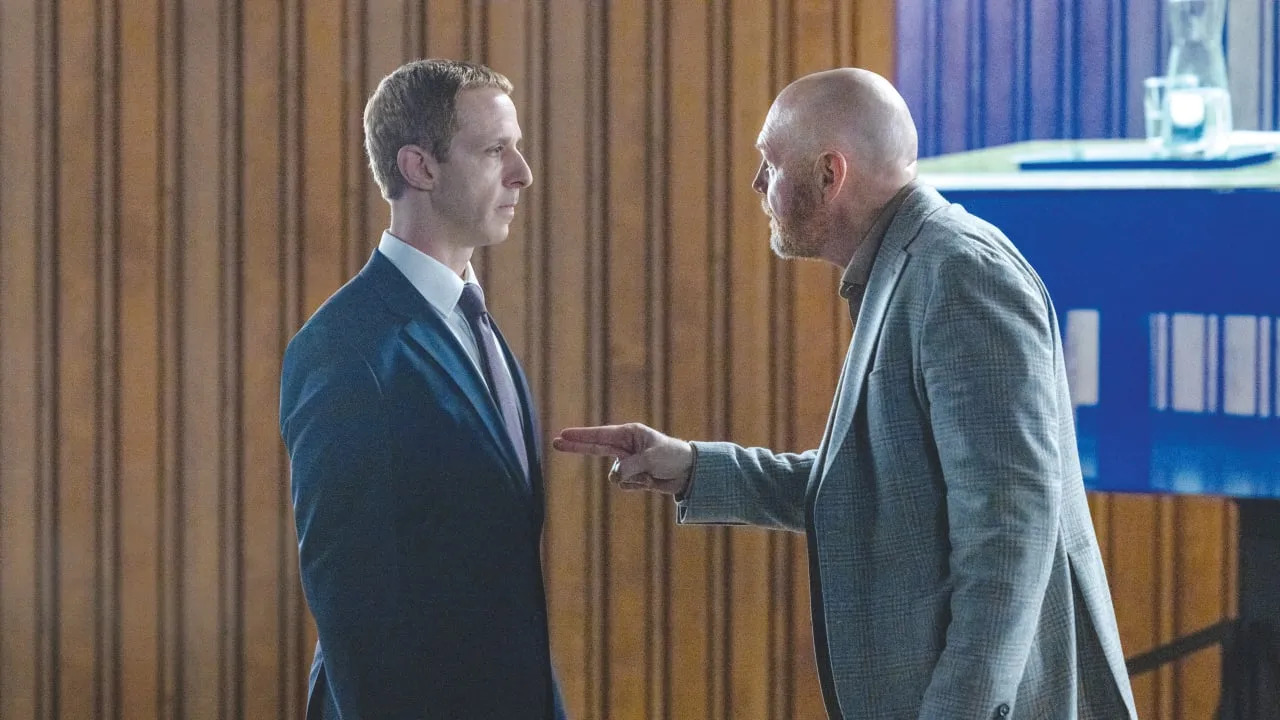
I am not familiar with his work at all. I haven’t seen any of his films. The House of Mirth is the only one I’ve heard of. Reading up on his work, it seems like a series of quiet dramas that might have that weight of reality to them not simply from dialog but also in cinematography. I can’t quite describe it, but some films, just have this quiet realness(the best I can describe it) that is still and vibrant and it perfectly platforms the performances it, in itself has a very distinct and prominent role and presence in the film. I feel like this quality is hard to craft and desperately goes unnoticed and underappreciated. But again I could be completely wrong as I’ve not seen any of his work.
A towering filmmaker about an extraordinary poet and life. Fab review. Can’t wait.
Haunting and shattering “Benediction” the Best Film of the Year as we approach the mid-way point of 2022!
One of the world’s greatest living directors, the Brit Terence Davies, has crafted a film that must surely rank with the very best of his career. As always this purveyor of moods, poetic devises and somber underpinnings places narrative behind brooding sensibilities, angst and oft-soaring lyricism, though in the aptly-titled “Benediction” the story of the poet, Siegfried Sassoon – a WWI objector who is institutionalized for his “unpatriotic” stance, Davies offers up a powerful and profound story of hidden desires. These are eventually set aside for a conventional lifestyle that never brings any measure of happiness to its tortured protagonist, a sensitive man who endures aching sadness, partially through behavior, markedly masochistic. Sassoon is betrayed by all of his male lovers, and though a highly effective past and present structure, emboldened by searing flashbacks, the leaves one deeply and profoundly moved. The cast, led by Jack Lowden is utterly magnificent, and Nicola Daley’s memory-laden cinematography intersperses the monochrome war scenes with the incandescent interior passages to give the film a scrap-book aura that is never sidelined, even by the powerful drama on display. Davies’ religiosity is again integrated when Lowden converts to Catholicism late in life, and that aspect too is powerfully integrated into the narrative. ***** of ***** (highest rating; Lucille shares my great enthusiasm every step of the way. We saw the film Saturday night at Manhattan’s Angelika).
Eager to see this film based on your review. Thank u, Robert.
This film will do great. Films that takes time in old setting like the 40’s and the 50’s take a lot of collaboration from the director, DP and production design. The right distribution company and with the right time and date of course.
if you wanna make a fortume come check me out
To the defactofilmreviews.com webmaster, Good to see your posts!
Hello defactofilmreviews.com admin, Your posts are always well-delivered and engaging.
Hello defactofilmreviews.com owner, Your posts are always well structured and easy to follow.
Hello defactofilmreviews.com admin, Thanks for the well-presented post!
Dear defactofilmreviews.com owner, Thanks for the well-structured and well-presented post!
Hi defactofilmreviews.com admin, Thanks for the valuable information!
Hello defactofilmreviews.com admin, Keep sharing your knowledge!
Dear defactofilmreviews.com owner, You always provide key takeaways and summaries.
Hello defactofilmreviews.com administrator, Your posts are always well structured and easy to follow.
To the defactofilmreviews.com admin, Your posts are always a great source of information.
Dear defactofilmreviews.com administrator, You always provide helpful diagrams and illustrations.
Hello defactofilmreviews.com administrator, Thanks for the well-researched post!
Hello defactofilmreviews.com webmaster, Nice post!
To the defactofilmreviews.com owner, You always provide clear explanations and step-by-step instructions.
Dear defactofilmreviews.com admin, Thanks for the well-written and informative post!
Dear defactofilmreviews.com owner, Your posts are always well-written and easy to understand.
Dear defactofilmreviews.com administrator, Your posts are always a great source of knowledge.
Hi defactofilmreviews.com owner, Your posts are always well thought out.
Hi defactofilmreviews.com admin, You always provide practical solutions and recommendations.
To the defactofilmreviews.com administrator, You always provide clear explanations and step-by-step instructions.
Hi defactofilmreviews.com webmaster, You always provide useful information.
Hello defactofilmreviews.com webmaster, Your posts are always insightful and valuable.
Hello defactofilmreviews.com admin, Keep sharing your knowledge!
Dear defactofilmreviews.com admin, Your posts are always well-balanced and objective.
Hi defactofilmreviews.com administrator, Your posts are always on point.
To the defactofilmreviews.com owner, Your posts are always informative and well-explained.
Hi defactofilmreviews.com owner, Your posts are always well-supported by facts and figures.
Thanks-a-mundo for the article.
Dear defactofilmreviews.com owner, You always provide clear explanations and step-by-step instructions.
Your point of view caught my eye and was very interesting. Thanks. I have a question for you.