



Iranian master filmmaker Jafar Panahi returns with his greatest film to date in his impressive filmography, It Was Just an Accident, a dramatically charged and timely political thriller that is courageous and bold as it takes deep commentary on Iran’s authoritarian regime. This is a film that Panahi had to discreetly make in secret in Iran, after being under house arrest after making numerous films that are deemed subversive against the Iranian government. Jafar Panahi is so condemned by the Iranian Iran’s government that he even has to direct films remotely from his home, and they are filmed discreetly. Panahi is at such a risk of getting undermined that he even has to hire producers to get the film greenlit as a French production to submit it as Best International Film, as there is no way Iran would submit his films in that category. Despite all these challenges, Jafar Panahi, in return, has crafted a gripping film that is very combative against authoritarianism.
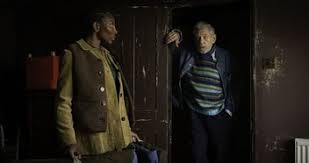
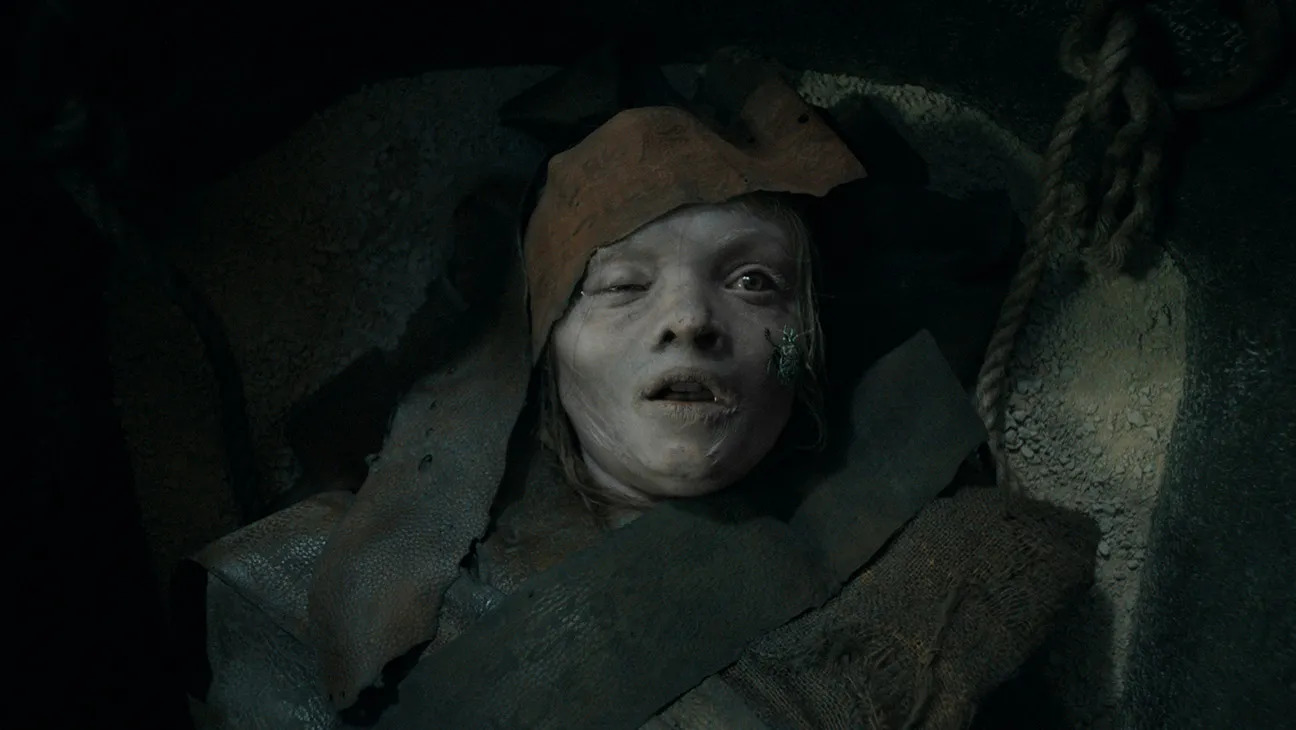
The film begins with a family man named Eghbal (Ebrahim Azizi) who is out driving late at night with his wife and daughter. His life instantly alters after accidentally killing a dog on the highway after abruptly running into its car. The car begins to overheat, and Eghbal ends up taking his car in for the repair at a local garage that is managed by Vahid (Vahid Mobasseri), an automatic, who recognizes Eghbal as he’s on the phone. The following day, Vahid follows Eghbal, knocks him out with a shovel, and takes him out to the desert to bury him alive. Vahid’s motivations become clear once he informs Eghbal that he recognizes his voice and his stumbling walk at an Iranian gulag, where it’s discovered that Eghbal was his former tormenter. Eghbal denies being the man, and Vahid begins to feel sympathy after Eghbal brings up his wife and daughter. Eghbal also denies being the oppressor, which gaslights Vahid into thinking he could have the wrong man.

Courtesy Neon
Vahid ends up putting Eghbal’s body into the back of his van and visits his friend Salar (George Hashemzadeh), a bookseller who denies being an accomplice to the kidnapping and vengeful murder, but he does direct him to Shiva (Mariam Afshari), a wedding photographer who is disrupted as she is taking photos of an engaged couple, Goli (Hadis Pakbaten) and Ali (Majid Panahi), who are in their wedding garb. Shiva instantly recognizes the scent of the man, but she is unsure if he’s the true tormentor. Goli, who was once a political prisoner at one point, is fully certain that it’s Eghbal, and they end up getting assistance from Hamid (Mohamad Ali Elyasmehr), who is Shiva’s former partner who was also once captive by the Iranians and holds resistance against the draconian regime.
Hamid recognizes the leg and is in full agreement with Vahid that he must be executed for his past sins. Vahid and Shiva end up persuading Hamid that he should at least testify. The group ends up feeling more sympathy, especially when Eghbal’s phone continues to read where they pick it up, only to reveal that Eghbal’s daughter is distraught, learning that her mother has passed out. Meanwhile, the group find themselves in a moral and ethical conundrum of vowing revenge or not going to the level of political violence that Eghbal once did.

Courtesy Neon
The film starts strongly and even defies expectations with the disquieting notion on the facade that can exist of what appears to be something as innocent as a family man like Eghbal. On the outside he seems noble, loving, and caring, but his past is one of oppression, violence, and cruelty. It goes to show just how the dangers of complicity blend into a level of normalization once a society has been demoralized for so long against human rights, freedom, liberty, and democracy. These have always been themes of Jafar Panahi that have appeared in numerous of his impressive oeuvre with such titles as The White Balloon, The Circle, Crimson Gold, Offside, 3 Faces, and This Is Not a Film to name just a few. He has never been timid in speaking out about the flaws of his country of origin, but now they appear to be more relevant now as more countries slip into autocracy and authoritarianism.
Panahi assembles astounding storytelling here with a superb cast. Each of the actors brings an emotionally rich authenticity to their characters. Panahi’s visual style excels, and he amplifies his visual style even more. The image of Goli in a white wedding dress in the desert next to a rustic van is something that will stay with you. At this stage, the film holds a lot of commonalities with Roman Polanski’s The Death and the Maiden, another film about political victims who demand their captive confess their abusive crimes. Panahi’s approach is every bit as raw, with great sincerity that is simultaneously gripping and thought-provoking all at once. This is a film that I hope will find its audiences in the months and years to come. Especially as we close in on awards season, it will inevitably find its core audience and passionate defenders. With that, I will be one of those core defenders, and It Was Just an Accident is not only a milestone for Panahi’s career and for Iranian cinema as a whole, but it’s also an essential cinematic landmark.
It Was Just an Accident is now playing in limited theaters. It will be playing at the Detroit Film Theater starting Friday, November 14th, 2025

I need to see more Panahai films
This looks really interesting!
Death nd the Maiden in Iran. A good mix of absurd comedy and high drama highlight this film. Great cast. I believe the film was shot secretly due to restrictions on the director in Iran. A must see. 3.5 of 4 stars
Great review.sounds like a suspenseful and interesting film
The comparison to Death and the Maiden is an apt one. This is harrowing cinema and one if the year’s best films. Terrific review, Robert.