


What could certainly be labeled as a “thinking person’s” horror film—audiences walking into Men expecting a conventional horror film to deliver the thrills, chills, or other mysterious forces that hunt down their victims will find some of those elements in Alex Garland’s third feature, Men. However, they will also be frustrated with just how uncompromising of a vision it is. The film, which features Jesse Buckley as a widower who slips down a rabbit hole (or in this case, a decayed deer eye hole) of anxiety-inducing, cerebral horror movie elements, taps into the psyche and psychology of its distraught protagonist. A horror film that bounces between reality (she has a naked stalker and an abusive ex-husband) and a massive amount of surrealism merged with rich abstractions, striking imagery, and a haunting climax that will certainly get a rise from the audience. The film is an opaque and distressing nightmare that offers some feminist (or, in this case, male feminist) conceptualization that covers themes about control, grief, mythology, patriarchy, suicide, and toxic masculinity.
The film also explores how society blames women for men’s depression, which we’ve seen before with people in the public eye like Anthony Bourdain, who tragically died by suicide, which many blamed-on Asia Argento. Perhaps I’m looking too deep into this, but Garland’s saga could be accused of being about nothing but itself, but the sophisticated mind of such cerebral films like the 2015 sci-fi thriller Ex-Machina and the 2018 sci-fi horror film Annihilation always has ideas on his mind, and his latest film certainly holds some resonance with its dread.

This film will inevitably be polarizing and even hated by some moviegoers, though many advantageous moviegoers will embrace its audacious and cerebral sensibilities. Often engrossing, always distressing, and eventually shocking with its over-the-top conclusion, it certainly draws attention to itself with some over-the-top imagery that might seem quaint to other cinephiles that watch a lot of grindhouse and other art-house horror films like Titane and the work of David Cronenberg. Considering how many recycled superhero movies and other hackneyed horror movies are released these days, one should be thankful an art-house horror film as audacious as Men is getting a wide release in today’s market.
The film is destined to become a cult film, maybe even a film that will be mentioned in best-of-the-decade lists, at least in the horror category, in years to come. That’s because Garland crafts uncompromising visions with effective results where he has always been fascinated with the macabre, dating back to his screenwriting days, scribing Danny Boyle’s horror classic 28 Days Later (2003) and the uneven but compelling sci-fi film Sunshine (2007). Yet his latest films as a director, Ex-Machina (2015), Annihilation (2018), and now Men, are all steeped in the female gaze, writing empowering and equally vulnerable female characters that embark on a journey of self-realization while combating the current structural confinement the female characters find themselves in.
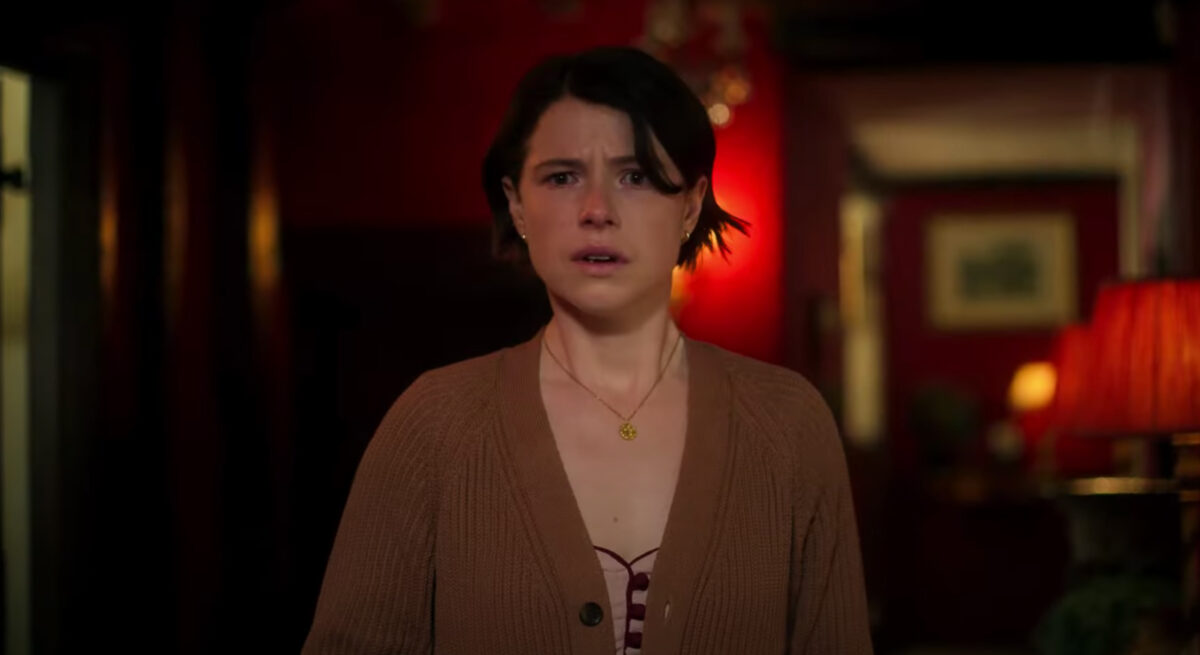
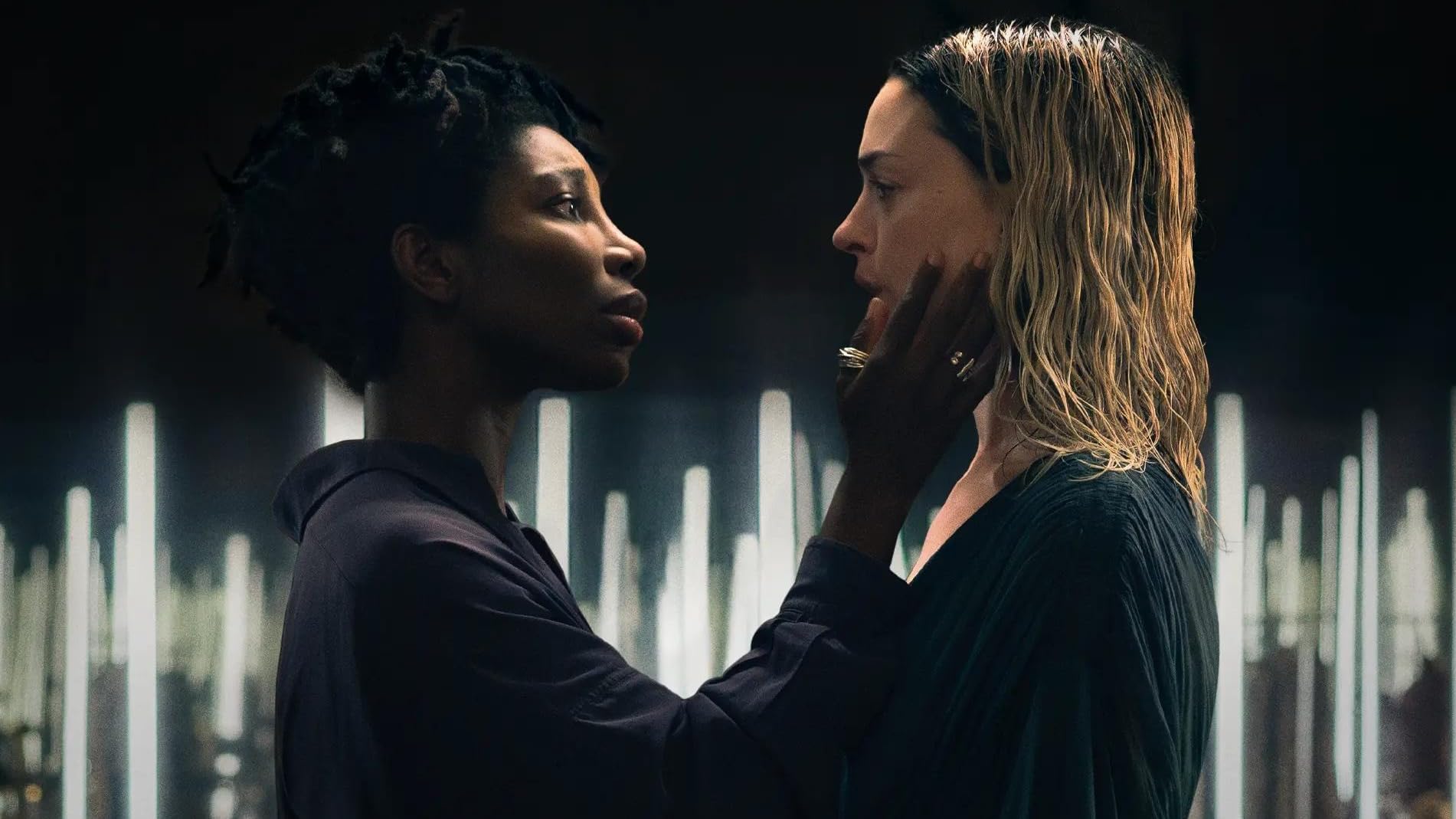
Even more hermetically sealed in and head-tripping experience than his previous endeavors, Men is a piece of horror surrealism that also goes full gonzo, especially in a grand finale that is darkly inventive, shocking, and unforgettable. While some of the abstractions in the finale are just as perplexing as they are grotesque, Men is a grisly and enthralling experience, so bizarre and nightmarish, even David Cronenberg and David Lynch might look away from the chaos. The film will certainly leave audiences shocked, talking, and mesmerized (or traumatized). But it’s not all shocking either. The film’s slow-burn build-up offers a lot of rich artistry and hallucinatory imagery that recalls such classic horror films as Roman Polanski’s Repulsion and even Robert Altman’s 1972 underrated masterpiece Images—both films that are also about women in psychological peril. We also get an emotionally raw performance by Jessie Buckley, who is always resonant in every single frame she appears in. Whether it’s her scenes of the “real world” or if she is in surrealist terrain, her psychological distress and vulnerabilities are equally matched.
Both in tone and approach, the film recalls Altman’s Images the most, the story of a wife who has hallucinations of abusive, deadly men in the British countryside. Images also recalls Polanski’s Repulsion, and many will find Men to be incoherent just as they did with Images. If they look deeper and upon repeat viewings, they will find a deeply unsettling horror premise that has a lot to unpack in its ideas about how men subjugate women in relationships. Men explores Harper’s mind and examines her angst, fears, and courage as terror unfolds around her as Garland utilizes a fragmented narrative style with a sensory tone and hallucinatory imagery.
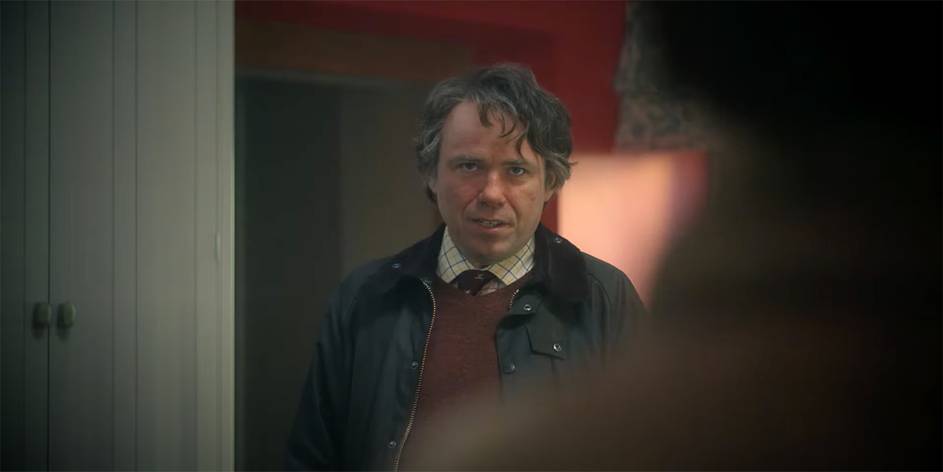
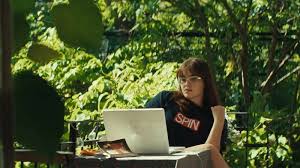
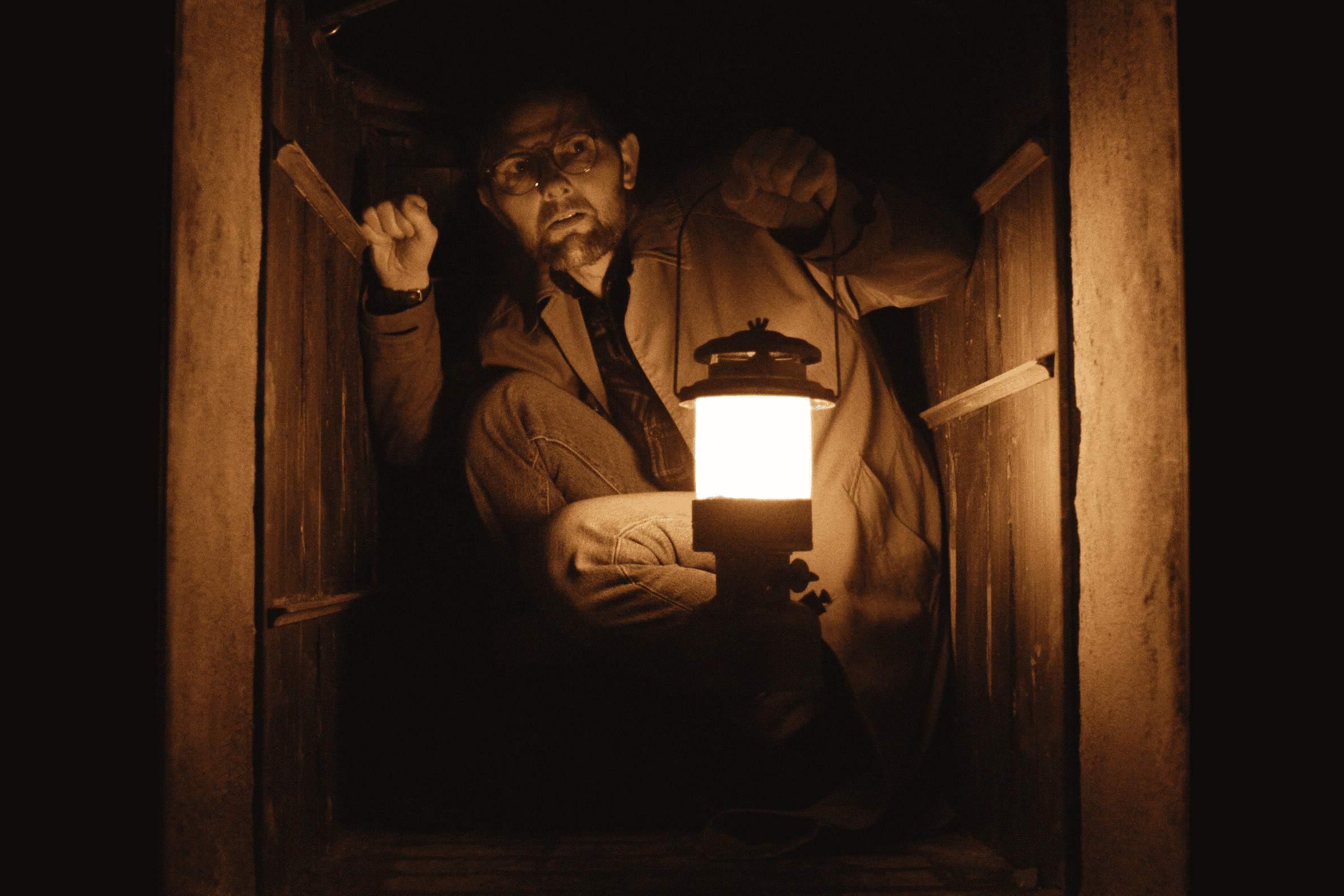
The picture begins with Harper (Buckley) traumatized by slow-motion visions of her abusive and emotionally troubled husband, James (Pappa Essiedu), who is jumping off the roof top of their London apartment, in which she was looking out her window on her bed as he was falling. Shattered by the tragedy, Harper decides to retreat from London to spend a few weeks at a very elegant house in the English countryside. As Harper pulls into the home, she grabs an apple from a tree, and she’s greeted by the property owner named Geoffrey (Rory Kinnear), who rents out the home to guests and makes a bizarre joke referencing the Bible about her eating an apple. You can easily detect a Biblical allegory about Adam and Eve, and Garland expands on this theme as the film progresses. You can also sense something a little weird and awkward about Geoffrey from the start, thanks in large part to Kinnear’s off-kilter performance, or should I say performances.
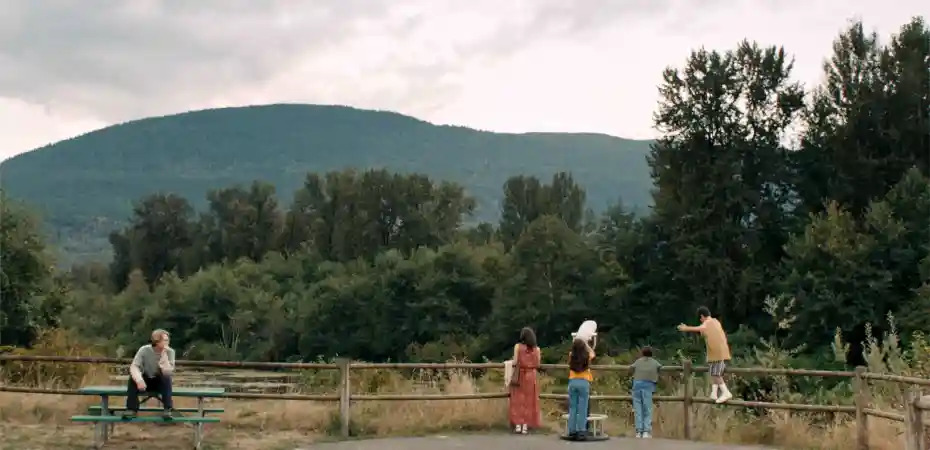
In one of the film’s most artful moments, the camera tracks with Harper as she goes on a walk in the woods that feels like it’s ripped right out of Altman’s Images. With impeccable and meticulous shot compositions, in which she finds a tunnel and makes rhythmic sounds, we hear her echo in a tunnel, and we see a strange man appear in the background. This startles Harper, which leads to her going back to the house, where things get worse as a bizarre naked man walks out of the woods as Harper takes a picture with her smart phone. She also has many other bizarre encounters with men throughout the course of the film, including a rude cop and a mansplaining priest who at first shows compassion towards her, only to blame her for her husband’s suicide. Harper is even insulted by an oddball schoolboy who calls her a very derogatory name. With a mix of prosthetics and even CGI, Rory Kinnear plays each of these characters (and a few more). The gimmicky casting gives a very Charlie Kaufman vibe that will remind you of all the voices you hear of Tom Noonan. In other words, the gimmicky casting eventually ends up adding to the surrealism. However, Kinnear’s performance of the boy looked a little synthetic.
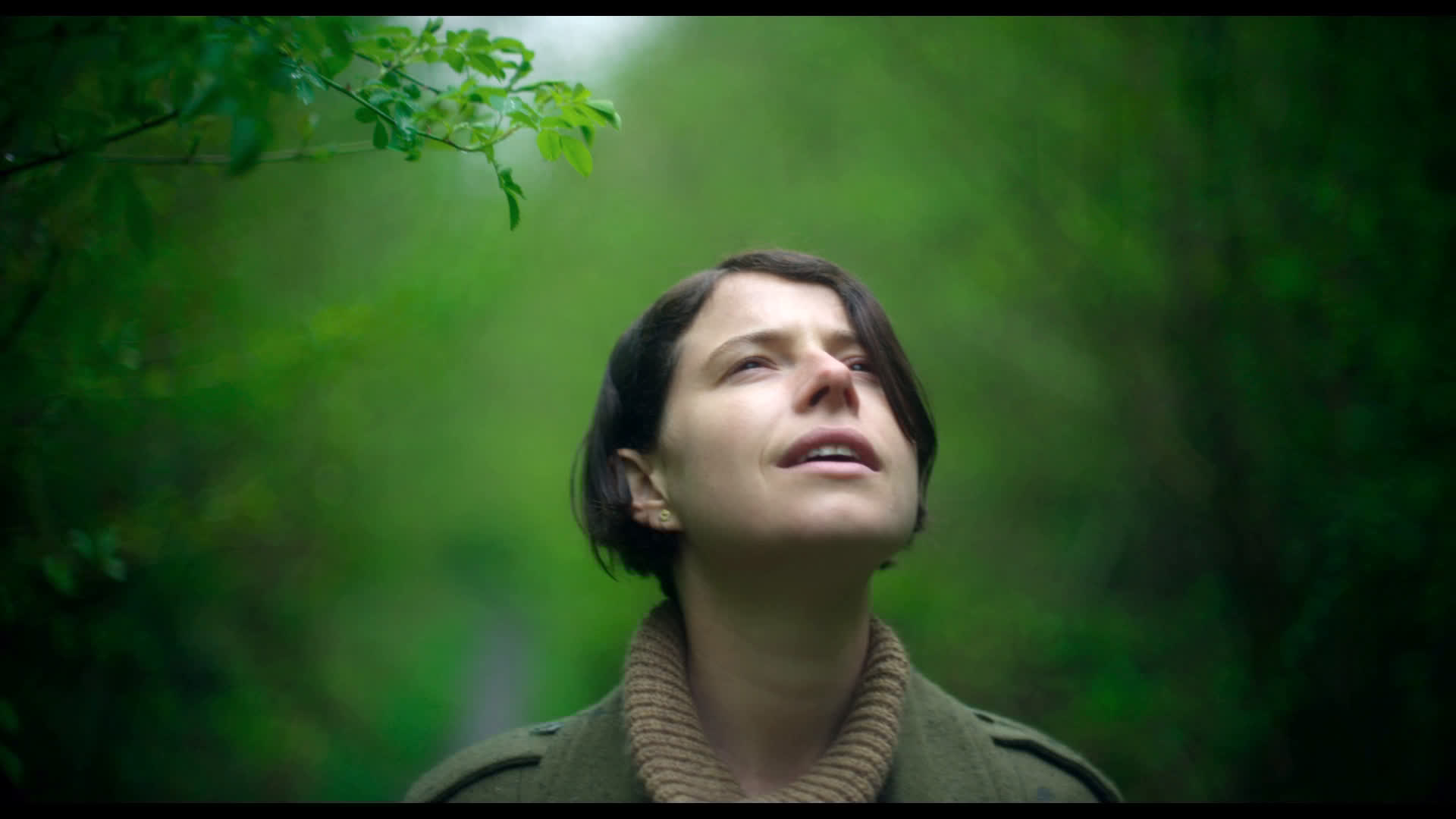
Filmmaker Alex Garland, along with cinematographer Rob Hardy, once again do extravagant work with their meticulous imagery and skilled aestheticism. The confined settings of the house add to the protagonist’s claustrophobia and psychological distress. There are many other terrifying moments in the film, such as a shot of Harper trapped in a maze, which echoes the work of Kubrick’s The Shining. The grotesque imagery of a split hand in the film recalls the work of Andrzej Żuławski (Possession, On the Silver Globe). There are symbolic references to such biblical stories as Adam and Eve and to British folklore with The Green Man, a man made of tree bark that represents the pagan god of rebirth. Harper’s life is in jeopardy from these forces that attempt to hunt her as she also grapples with her own sanity. There is an abstract audacity to this film that is a rarity for mainstream cinema, thanks to A24, who isn’t afraid of pushing the formal envelope with their library of films they release. The film’s horrors play off aspects of all the toxicity men bring into culture and relationships, and no, it’s not all male bashing either. It’s combating male toxicity and it’s bashing how the worst traits are aspects of man’s nature, and how they are carried out through society’s structures—whether it be marriage, religion, or even folklore.
Garland is very intent on making a statement about patriarchy and control, but it’s far from a didactic lesson. Garland succeeds in making a sophisticated and satisfying horror film that doesn’t rely on cheap jump scares or senseless gore. The film also doesn’t make Harper a victim either, it really becomes an unnerving portrait of a woman confronting her anxiety and past traumas. Garlands’ third feature is certainly unsettling, especially in the third act that borders between being fascinating and being shocking just for shock value, but what comes before makes it seem like it is artistically justified for all the right reasons. Deliberate in the way he constructs the narrative and evocative in theme, Garland’s latest film will certainly require deeper analysis and repeat viewings to truly process the material. Not since Nicholas Refn’s Too Old to Die Young has a filmmaker been so bold, so fearless, yet in such control of their unapologetic vision. While the finale is distressing to endure, if you choose to stick it out, you could leave the theater feeling bewildered, challenged, disgusted, and equally perplexed all in one. Nevertheless, this is what great art strives for, and Garland is a gifted auteur that accomplishes just that.

Men was fascinating. I love the atmosphere Garland creates in his movies, Annihilation still being my favorite of his films so far. The performances in Men are extraordinary, especially from Jessie Buckley. Such a surreal and WTF last act even if the movies themes are ultimately a little on the nose and not quite as deep as it wants them to be. Still a very creepy flick and definitely worth a watch!
Well that movie was terrible
…..
Dude I didn’t even know he was coming out with a new one! Huge fan. Kinda want to watch it before reading any reviews lol
That film was an incoherent and laughable piece of garbage. Rory Culkins performances were just him hamming it up and what was the deal with the friend being pregnant? It was like watching bad Cronenberg.
Sometimes in horror films you have to create some sort a realistic moments that audience can relate to in the real world. The film cinematography looks amazing with the shots and movements choices. I believe they did a good job with choosing the right casting for the story to be in motion pictures. The mix of classic thrillers and modern techniques of horror ideas can somehow fascinating.
I am greatly looking forward to seeing this, and before reading your extraordinary review, I was perceiving it as a big winner. Your examination is terrific before viewing but perhaps even more after seeing it.
Now this is a proper review. *** Spoilers if you haven’t seen the movie though
I will seek this one out
Oh fuck this looks wild
I loved Garland’s other 2 films and can’t wait to check this one out!
This looks like a great film…thanks for the review!
Weirrrd but interesting film
This movie is so divisive that it’s skyrocketed to the top of my “must watch” list
Your review totally echoes my thoughts. I am not easily spooked by a movie, but this movie had some of the most disturbing imagery I have ever seen on film. Unsettling all the way through and Kinnear is fantastic — so much so, I didn’t realize he was playing so many characters! It reminded me a lot of Possession, which I saw for the first time in the fall. Lynch and Cronenberg certainly came to mind. I was also blown away by the score and cinematography. Absolutely stunning.
Ex Machina is leagues above this film!!!
This movie was poo
Men was BIG trash
Vice words and great writing. This one was batshitcrazy experience, and that´s why I loved it.
This is first blog. I started this blog to discuss my thoughts and ideas with you. I hope that you enjoy reading my blog and will discover something useful.
Do you like BTS too? because im part of the army
Hi defactofilmreviews.com owner, Keep up the great work!
Dear defactofilmreviews.com owner, Thanks for the well-organized and comprehensive post!
Hello defactofilmreviews.com owner, Your posts are always well-supported by facts and figures.
Hi defactofilmreviews.com administrator, Your posts are always informative and well-explained.
Hello defactofilmreviews.com administrator, Your posts are always well-referenced and credible.
Hi defactofilmreviews.com webmaster, Your posts are always well-formatted and easy to read.
Dear defactofilmreviews.com owner, Thanks for the post!
Hi defactofilmreviews.com administrator, Your posts are always on point.
Hello defactofilmreviews.com admin, Your posts are always interesting.
Hello defactofilmreviews.com owner, You always provide helpful diagrams and illustrations.
Dear defactofilmreviews.com admin, Your posts are always well researched.
Hi defactofilmreviews.com administrator, Good job!
I really wanted to see this, but I was turned off by some reviews from critics and from friends. I guess I gotta check it out.
Dear defactofilmreviews.com webmaster, Your posts are always well-written and easy to understand.
To the defactofilmreviews.com administrator, You always provide clear explanations and definitions.
Hello defactofilmreviews.com admin, Your posts are always well-received and appreciated.
This is one awesome blog.Much thanks again. Really Cool.
Dear defactofilmreviews.com owner, You always provide clear explanations and step-by-step instructions.