



In his sophomore effort, the dramatic film Mogul Mowgli, Pakistani filmmaker Bassam Tariq holds a lot of promise as a co-writer and director with his first attempt at narrative filmmaking. After making a splash on the film festival circuit with his documentary These Birds Walk, released in 2014 was a slightly viewed documentary, but it did win quite a few awards at major film festivals. Mogul Mowgli that also stars Oscar nominated actor Riz Ahmed marks Tariq’s first attempt into the narrative film arena which would have probably made a bigger splash if it wasn’t for last year’s Oscar-nominated Sound of Metal–which holds mirroring premises where both of Riz Ahmed’s characters in each film has their musical career sidelined by a sudden disease–Ahmed’s role in last year’s Sound of Metal he plays a drummer who loses his hearing–where in Mogul Mowgli he’s a rapper that loses his ability to talk. But each film should be base on its own merits without endless comparisons. While drawing many similarities, they are vastly different because Tariq’s film holds many different sensibilities and approaches thanks in part to an aesthetically different approach that borders between realism and dreamlike surrealism that also immerses you with its emphatic exploration of identity, anxiety and having to face the burdens of a sudden disease while staying true to yourself and art.
While not quite as powerful or as visceral as Darius Mader’s Sound of Metal, the subject matter and execution of Mogul Mowgli is just as deeply compelling. The character driven dramatic yarn is every bit as heartbreaking and involving. Heading another astounding performance by Riz Ahmed, who also served as one of the producers and co-wrote the screenplay with Tariq, plays Zed, a London-born Pakistani rapper who identifies as Zed to his fans, but goes by his birth name of Zaheer by his friends as his family refers to him as Zuzu. The film becomes a story about many things–identity, perseverance, and artistry and for the most part it triumphs on many personal levels. Mogul Mowgli does suffer from being too obvious and repetitive with many moments hitting the same note. However, the film deserves credit for not manipulating your emotions and never feeling too coy or sentimental. It wears its raw emotions proud on its sleeves, even if the film falls short in being the visceral and gripping masterwork that Sound of Metal was, it deserves credit for still being absorbing and emotionally resonant.

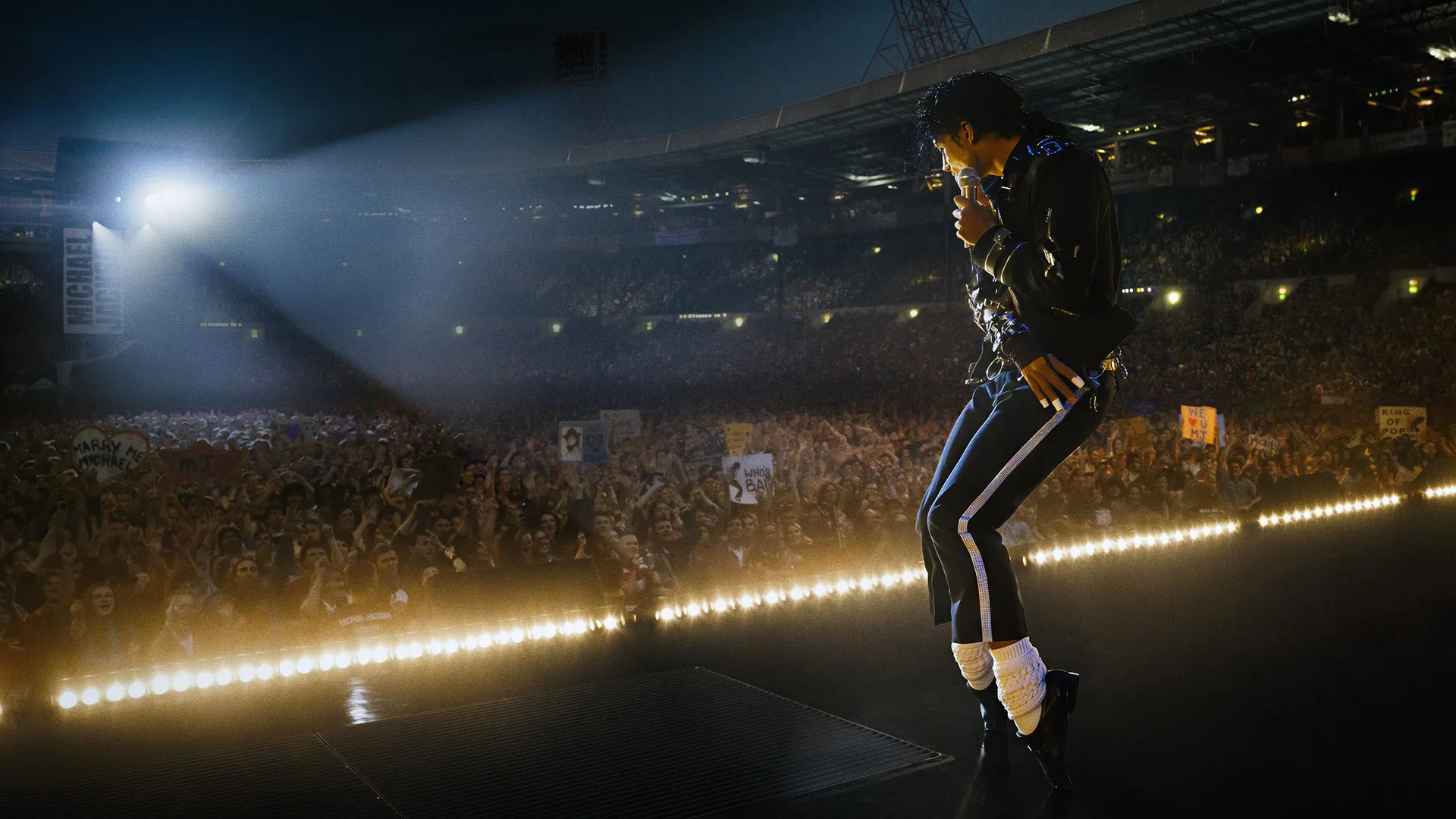
The film opens up the same way as Sound of Metal as we see Ahmed as Zed backstage getting ready for his big event. He’s warming up, pacing back and forth, and he’s anxious as we hear a large crowd in the background. Without a blink, he goes out to the stage with his mic and begins to rap with thunderous applause. But unlike Sound of Metal, the film opens more optimistically as it appears his dedication and persistence at honing his craft for the last 15 years of his life is about to pay off. After years of self-promotion on social media, touring endlessly, building up a following, putting his dreams first over marriage or a relationship, he begins to realize that his image is embraced by many young Muslims who embrace his combative and uncompromising spirit.
Zed has also held many years of being respected in his local community along with generating a large online fan base, Zed finally gets his big break once he’s offered Zed is informed by his manager Vaseem (Ajana Vasan) informs him that he going to open-up for a big-time rapper named RPG (Nabhaan Rizwan) in a word tour that begins in London and follows-up in New York. Zed feels liberated that he’s gaining attention and notoriety for his artistry. Detached in his relationship for putting his passion before love, Zed’s girlfriend grows more distant as she suggests he should stop and visit his parents while he’s in Lonon. Nasra (Sudha Bhuchar), is Zed’s mother,who is also works at a London grocery store, appears reluctant to her son’s rise to fame, while his father Bashir (Alyy Khan), who is a failed businessman can’t seem to embrace the reality that his son might be succeeding. However, an autoimmune disorder where is white blood cells begin to attack his muscles that leaves him unable to walk, which eventually puts his musical career and tour on hiatus, leaving him down a journey of self-doubt and delirium.

Zed is instantly hospitalized, and he struggles with the realization that he might not ever walk again. Just as Ahmed’s Ruben character in Sound of Metal loses his hearing, Ruben loses his ability to walk and the comparisons to Sound of Metal become evident. However, just as I mentioned above Bassam Tariq framework and approach is much different than Darius Marder’s Sound of Metal (which made my top 10 list in 2020), and that is worth commending. Sound of Metal, while visceral and certainly more layered and conventional with a traditional narrative arc about addiction, adversity, and transcendent, Mogul Mowgli takes a more internal and patient approach.

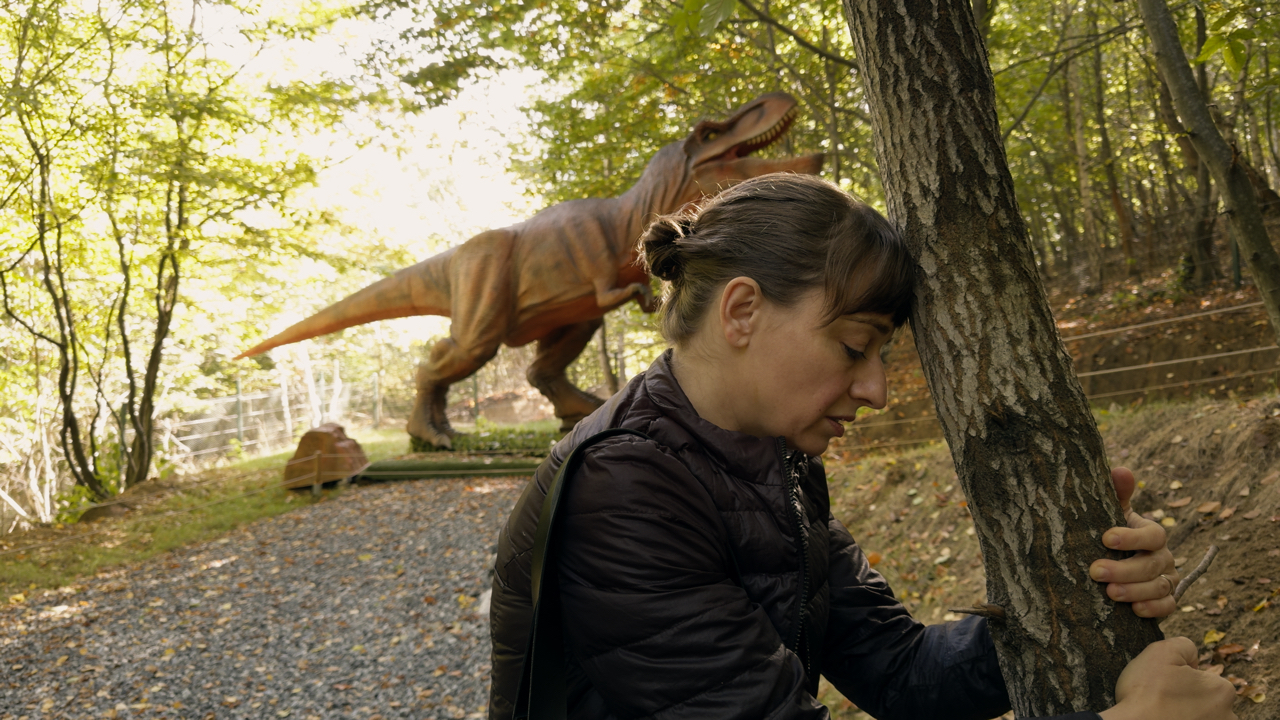
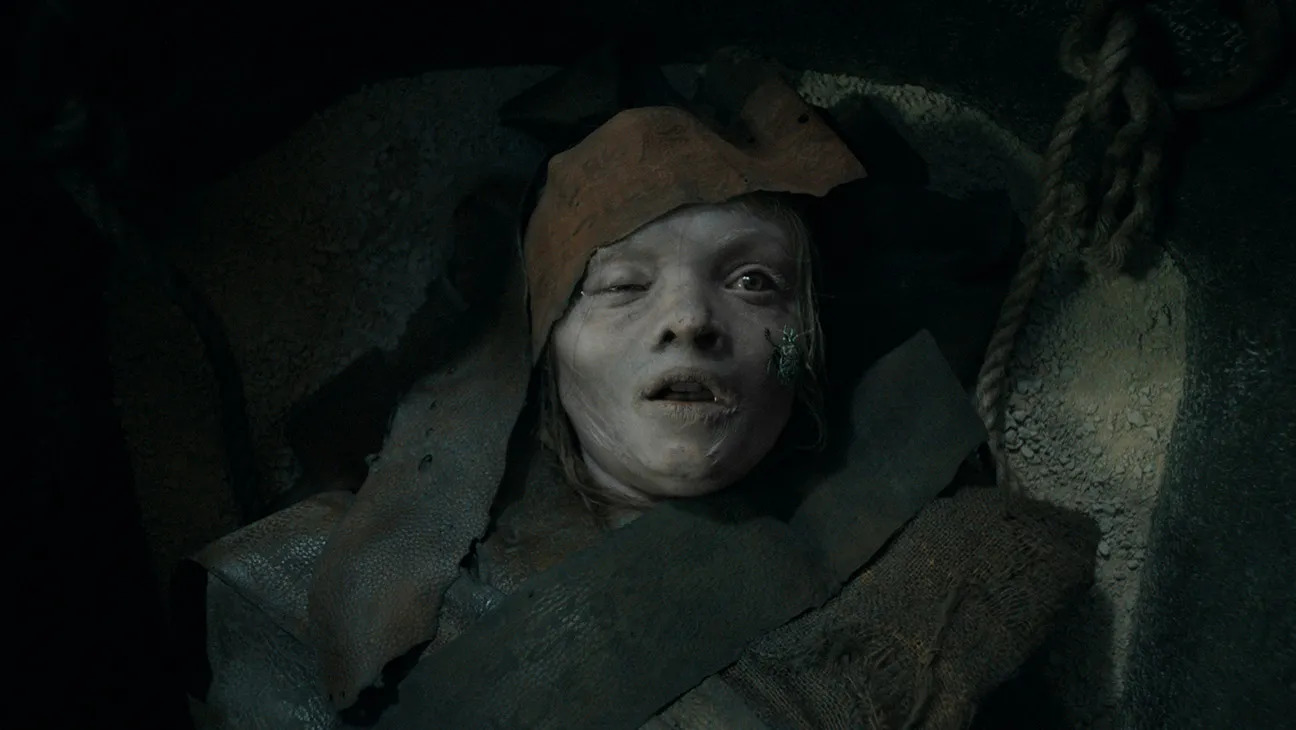
Zed ends up facing his own doubts about where his future lies and it turns out he also struggles who he is. We see flashbacks of Zed as a child studying the Quran, and then we witness a fragmented memory of a freestyle rap battle where Zed gets humiliated by a rival rapper, and we see a recurring image of a man disguised behind a flower heiress. He enters and exists Zed’s dreams and subconscious, that represents his culturally diaspora world where Zed struggles between being a Muslim man where his own Muslim culture and identity has been co-opted by Western influences and rap culture. The disguise man certainly serves as an abstraction and it’s thoughtful, but just not as haunting or staged as effectively as it could have been.
Despite these reservations, there is a delicate performance once again to be found by Ahmed. He demonstrates he can be vulnerable and carry a character-driven story while bringing nobility to whatever role he plays. One of the most heartbreaking scenes in the film involves Zed calling his ex-girlfriend and explaining to her his condition that leads to awkwardness and a misunderstanding telephone exchange. This scene rivals the emotions that are come across so affectionately and tender in Sound of Metal.

Unlike Sound of Metal, which had many locales where a lot of it was set in a deaf community, Mogul Mowgli aesthetically feels more confined as it’s shot in a 4:3 aspect ratio within mostly tight rooms that heighten Zed’s displacement from his disease. Mogul Mowgli deserves credit for thinking outside the box instead of being another cliché and manipulative film about disease. This is anchored mostly to Ahmed’s heartbreaking performance, the writing is both tragic and inspiring–Ahmed and director Tariq will absorb you until the powerfully moving closing reel that’s sure to satisfy viewers


This is something I will definitely see since I grew up a Hip-Hop kid.
Do you know if this film is playing at the Arab Film Festival in Dearborn?
Thanks Robert for another true detailed review – the whole film just played right in front of my eyes as I was reading. I especially appreciate your talent to describe the characters as well as emotions, including the photos which completed the whole story so precisely.
It feels like I just watched a great movie!
Thanks for ones marvelous posting! I seriously enjoyed
reading it, you are a great author.I will be sure to bookmark your blog and will come back very soon. I want to encourage that you continue
your great job, have a nice weekend!
Thank you for sharing your thoughts. I really appreciate your efforts
and I am waiting for your next write ups thank you once again.
I like what you guys tend to be up too. This kind of clever work and exposure!
Keep up the great works guys I’ve incorporated you guys to
our blogroll.