

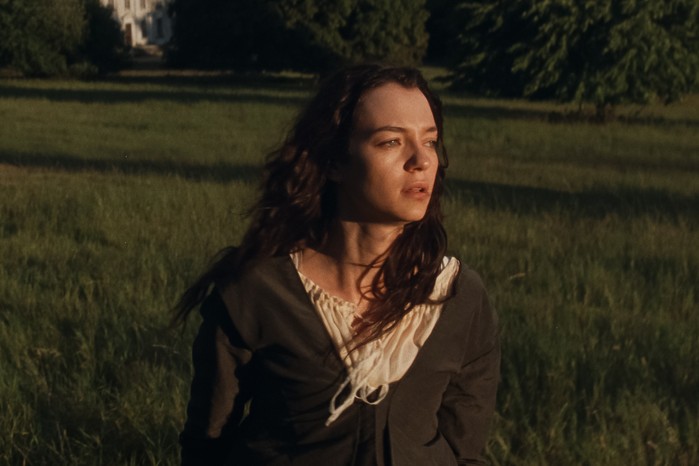

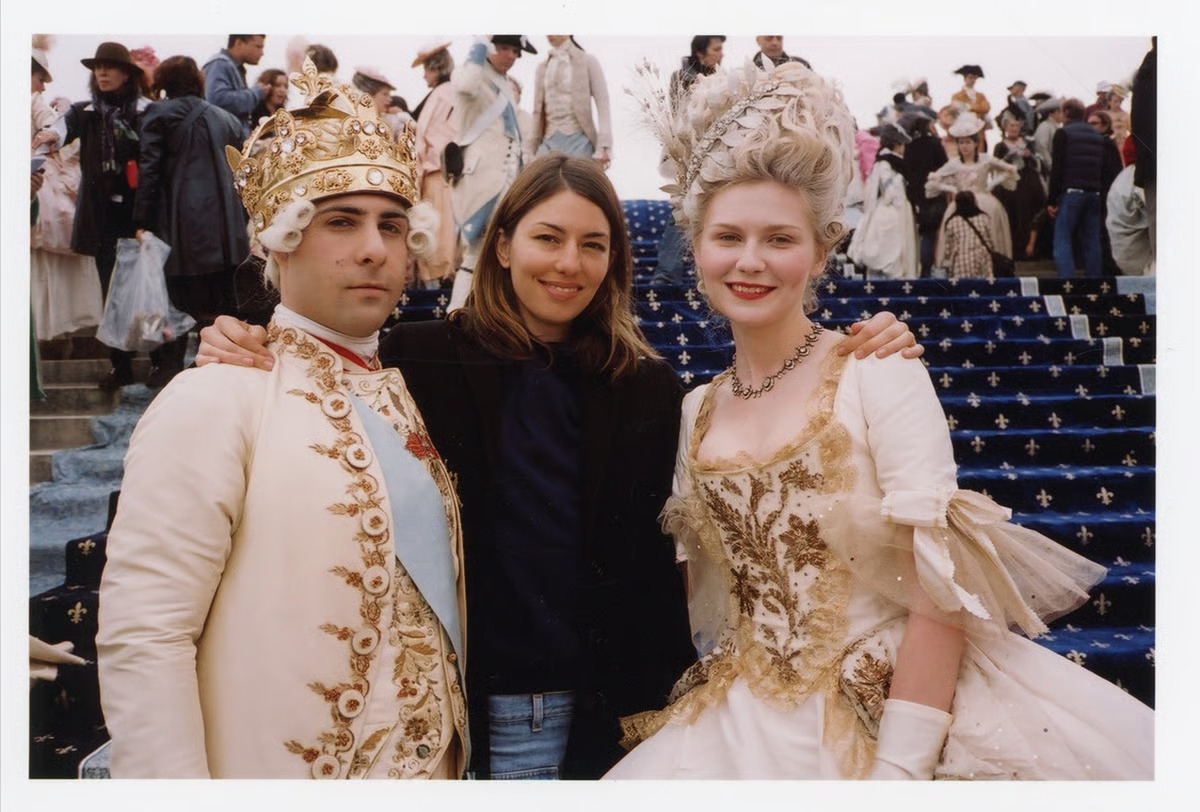
Over the years, film and television lovers have been treated to a handful of distinct adaptations of Jane Austen’s beloved 1811 novel of Sense and Sensibility, from television miniseries to stylistic cinematic interpretations. Yet, the most celebrated treatment has forever remained Ang Lee’s 1995 classic, which famously garnered an Academy Award nomination for Best Picture alongside individual acting nominations for Emma Thompson as the sensible Elinor Dashwood and Kate Winslet as the impassioned Marianne Dashwood. That film has long stood as a towering, beloved classic, making it feel almost blasphemous for any filmmaker to step up and attempt a fresh cinematic take in its formidable shadow. And yet, this striking new 2026 adaptation entirely deserves praise for its distinct artistry, complex emotional themes, and deeply muted approach. Directed by Georgia Oakley whose breakout feature Blue Jean was an immensely impressive debut. This sophomore follow-up proves that she is a major talent capable of handling classic material with a fresh, contemporary lens. Where previous versions often leaned into a lighter, more whimsical atmosphere, Oakley opts for an emotionally complex and heavily charged landscape. To say it lacks whimsy would be accurate, though rare glimmers of grace remain, replaced instead by a restrained aesthetic that mirrors the visual grandeur and poet’s eye of Sofia Coppola’s Marie Antoinette, a landmark film that is now celebrating its twentieth anniversary and remains essential viewing for any lover of textured period cinema.
The story unfolds around the Dashwood sisters as they navigate the treacherous social waters of Regency England and attempt to find love amidst financial ruin and rigid societal expectations. From its earliest frames, the film opens wonderfully across lavish, serene exterior landscapes, capturing a tranquil pond where one sister skips stones while deer graze quietly in the distant tree line. Romance here is rarely simple or straightforward, carrying instead a heavy weight of sacrifice and concealed grief. Central to the entire film’s emotional gravity is the tender, deeply moving dynamic between Elinor (Daisy Edgar-Jones) and Marianne (Esmé Creed-Miles). You become instantly absorbed in their quiet exchanges, feeling the profound weight of a genuine sisterhood alongside their mother Mrs. Dashwood (Caitríona Balfe) and younger sister Margaret (Bodhi Rae Breathnach). Edgar-Jones and Creed-Miles ground their performances in unspoken glances, overlapping whispers, and a shared history that makes every conversation feel intensely intimate.
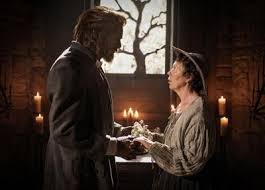
Outside their sanctuary, romantic turbulence awaits. Elinor finds herself entangled with Edward Ferrars, portrayed by George MacKay, an actor whose previous work includes 1917 and The Beast, and whose performance here matches the quiet, earnest dignity that Hugh Grant brought to the 1995 film. MacKay’s Edward is trapped in a secretive, draining engagement that borders on a regretful trap, yet his interactions with Elinor crackle with an unstrung, undeniable chemistry that makes their unspoken longing all the more agonizing. Offering a grounding, maternal anchor amidst these romantic setbacks is Mrs. Jennings (Fiona Shaw), the well-meaning elderly matriarch who steps in as an indispensable mentor to the sisters, steering them through society’s unspoken rules with a blend of gossip, wisdom, and warm sanctuary.

Courtesy Focus Features
Every corner of the production bursts with unforgettable moments, ranging from the lavish choreography of the ballroom dancing sequences to the artfully crafted arrival in London, where horse-drawn carriages glide through narrow stone passes before opening up into the bustling, towering sprawl of the city. The narrative momentum continuously builds toward the tense, haunting climax where Colonel Brandon (Herbert Nordrum) faces off in a high-stakes duel against Marianne’s fickle and heartless former suitor, John Willoughby (Frank Dillane).
Yet, it is in the astonishing final thirty minutes where Oakley’s vision reaches its emotional pinnacle. When Marianne falls critically ill in the third act, the sheer vulnerability of the family dynamic leaves you completely devastated. Edgar-Jones delivers a heartbreaking portrayal of grief and quiet desperation at her sister’s bedside, making Marianne’s life-or-death struggle feel urgently real. The final half-hour of this film is nothing short of extraordinary, culminating in a final scene that is awe-inspiring, sweeping, and visually sublime. The visual grandeur throughout is staggering, capturing textures and quiet human vulnerabilities with the exact kind of poet’s eye found in Sofia Coppola’s historical work. Bolstered by an incisively tuned script and uniformly phenomenal performances from the entire cast, the film proves both deeply moving and completely absorbing from frame to frame. My sibling Chloe actually suggested we catch this as a double feature alongside the twentieth-anniversary screenings of Marie Antoinette, and it turned out to be a wonderful double bill. Going in, I must admit I expected just another exhausting Jane Austen rehash with very little eagerness on my part, but I walked out thoroughly impressed, deeply moved, and genuinely glad I saw it.
Sense and Sensibility is now playing in theaters




Did we need another version? Film isn’t bad . Great sets and costumes. Fiona Shaw steals the film. 3 of 4 stars