

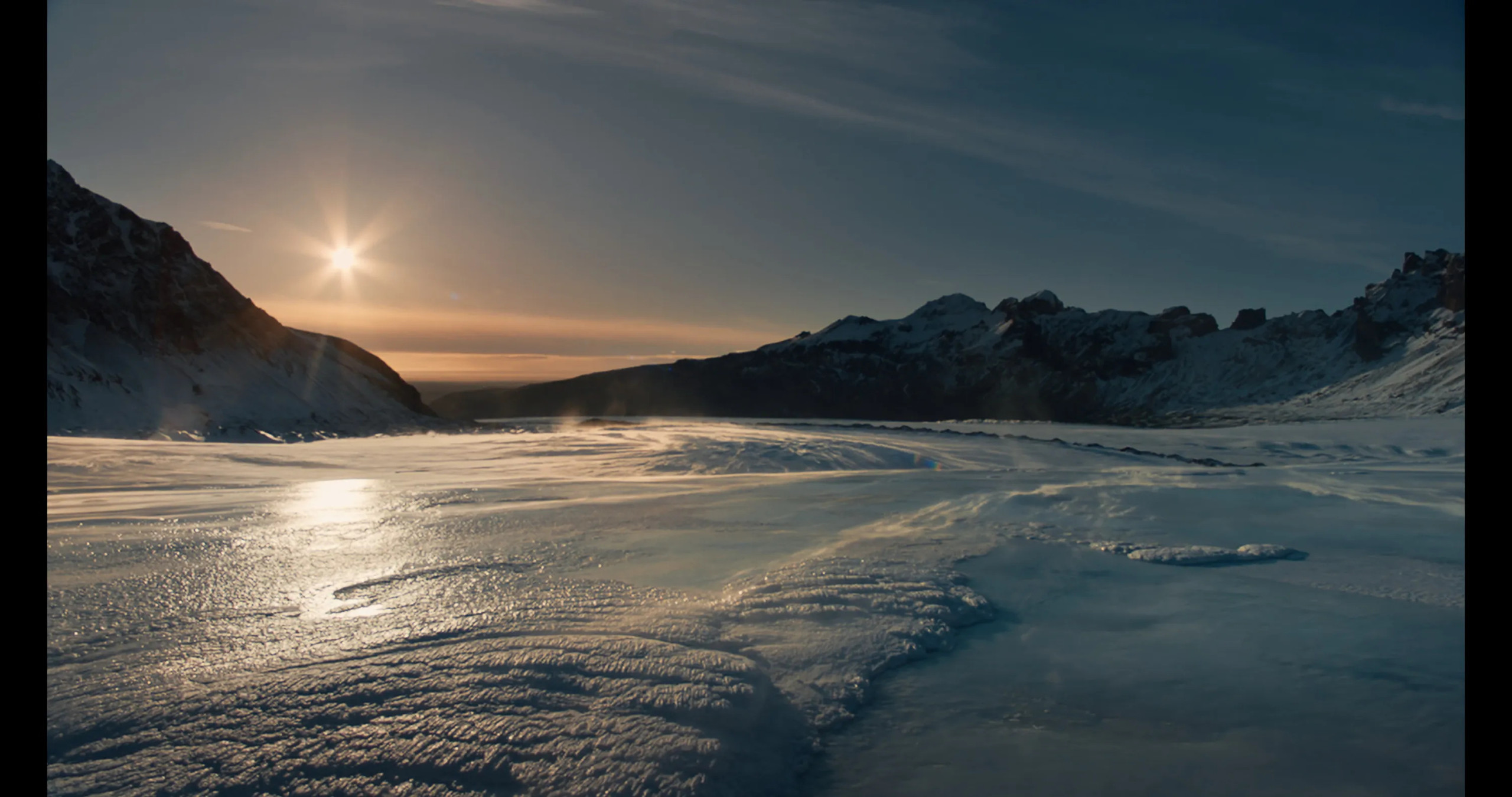

Time and Water is a documentary, on the surface, about a glacier and its demise. Like all enormous ice formations, what you see on top is only a tiny fraction of what the entirety contains. Here, Andri Magnason recounts an unusually, if also beautifully told, story about memory and loss. This is a work that connects the personal to the general and asks very large questions, while never losing sight of the infinitesimal details. In a way, it comes across, at least at times, like a tone poem.
Courtesy National Geographic Documentary Films
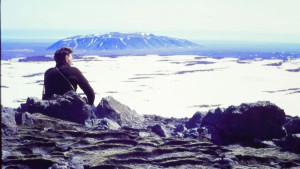
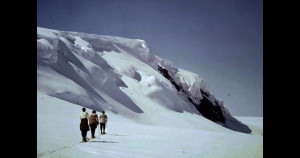
Set in Iceland, the film follows two major tracks. One is the death of the glaciers in that country, and what they represent, while the other is the long, slow decline of Andri’s grandfather. That story, more than anything else, centers the film. This is a seemingly tight knit family, full of larger than life figures. Men and women who climbed glaciers for fun, who took to the sky in early aircraft and who love their land in all its dangerous beauty. More than once, Andri mentions that glaciers are a form of historical recording, and to lose them is to lose something profound. This is easily juxtaposed with his grandfather’s cognitive decline, a man who represents everything to Andri.
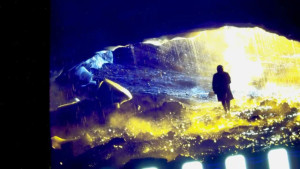
The film uses archival footage, newly shot work and home videos to tell its tale. The many interviews with Andri’s grandfather switch between hilarious, to touching to bitterly sad, depending on his condition. This is a man who truly lived, and who is forgetting that. What, the film seems to ask, is the real difference between a man losing his memory, slowly, and a glacier fading into nothing? Both will one day be gone, as if they never existed, remembered only by those who were there to know them.
Courtesy National Geographic Documentary Films
The film does have a fatalist approach, a resignation to the idea that the world has reached a point where such things as the death of glaciers are inevitable. Andri explores this through his grandparents exploits and his own, as well as giving context through many tales of Icelandic folklore. In one sequence, the tale of Thor fighting the Midgard Serpent is recounted, emphasizing how the death of the serpent lead to the end of everything because of how its blood poisoned and killed the waters. Rather than tell the audience to stop, directly, the film instead gives the viewer a chance to consider small impacts and to make similar small, profound connections in their own lives. It is a quiet type of ecological awareness.
This reviewer uses the term awareness because it cannot truly be a call to arms, since that indicates there is something to fight, to overcome and to prevent. If one believes as Andri does, there is no way to stop what is happening to the ice. It will fade. Likely within the next twenty or thirty years. All we can do is our best, to live and record and remember. This film is a good start, at least for Andri.
Courtesy National Geographic Documentary Films
It helps that the film does not overproduce itself. This film begins with a quiet voice, in darkness, and continues, almost as a conversation, or confession, throughout its run time, which is just over and hour and a half. The film maintains its quiet power by never trying to be as vast as the problems it presents. Blending history, folklore, personal and public, the work is an extraordinary mix of the every day and the eternal. It is a film that could try the patience of some viewers, and which may bore those disinclined to its various patterns. If you allow yourself to go along with it, and see what the dual thesis is, you might be deeply moved.
Time and Water is now playing in select theaters.



Leave A Comment